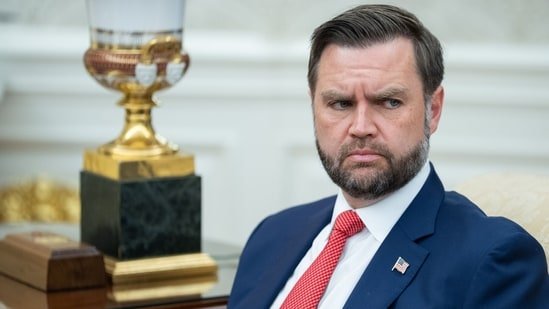

Vice President Vance is at the center of a public divide within the Republican Party, with influential conservative voices criticizing his foreign policy stance and political message. At the same time, he remains the early favorite for the party’s 2028 presidential nomination.
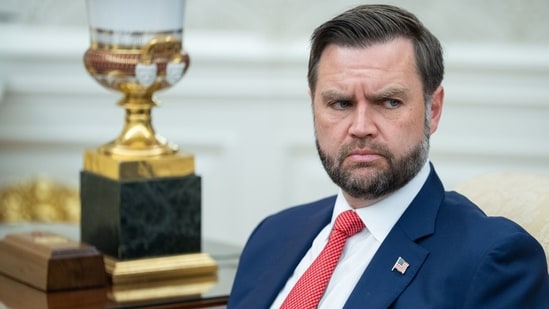
The criticism was coupled with “Never Vance” chants, with conservative commentators and online influencers accusing the vice president of straying from traditional Republican positions, particularly on Iran, The Washington Post reported.
The scale of the backlash is unusual for a sitting vice president so early in a potential presidential succession race, the report said.
What prompted the criticism?
The latest wave of attacks intensified after Vance’s July 15 appearance. The Joe Rogan Experiencewho describes himself as a “reasonable moderate” on Israel and argues that he has been targeted by paid online influencers because of his foreign policy views.
Speaking about the criticism, Vance said: “You know, my response to that is, ‘Well, to hell with it.’ “I’m going to do what I have to do for the American people. “
During the interview, Vance pointed to a Time magazine report that alleged the existence of a pro-Israel influence campaign organized by former Trump campaign officials.
Many of his critics focus on his role in advocating diplomatic efforts with Iran and claim he takes a different stance than President Donald Trump. Some commentators have also compared him to political figures such as former President Barack Obama and Senator Bernie Sanders.
Why do Vance’s allies say the backlash is coordinated?
Vance’s supporters argue that the online movement is not entirely grassroots.
A close adviser to the vice president said many of the attacks appeared to be “not organic,” The Washington Post reported. Other allies similarly questioned the authenticity of some of the social media accounts involved in the criticism, noting that some profiles did not appear to belong to American voters.
Jon Schweppe of the American Principles Project told the newspaper that there are organized efforts within conservative political and influence circles to try to undermine Vance ahead of the 2028 Republican primary.
“There will be people within the party structure, within the influencer structure who will try to bring him down in the hope that a challenger will emerge to defeat him,” Schweppe said. “But it will definitely be organized.”
Conservative commentator Steve Cortez also dismissed the online criticism, saying: “The voices of the Washington establishment have created a cacophony online, but they are far from representative of the consensus among Republican voters.”
What does this mean for 2028?
Despite the criticism, Vance continues to lead in several early Republican primary polls.
The Washington Post reported that Vance’s team believes attacks from the Republican establishment and foreign policy hawks could bolster his appeal among anti-establishment conservative voters. A spokesman for the vice president said his “only focus is fighting for the president’s agenda and delivering victory for the American people,” adding that he “doesn’t care about social media.”
Mark Short, Pence’s former chief of staff, told the newspaper that Vance faced much harsher criticism than he did during former Vice President Mike Pence’s time in office. He attributed the discrepancy to Vance’s willingness to publicly demonstrate his philosophical differences with Trump on Iran.
Trump acknowledged the differences, saying Vance was “a little bit philosophically different” on Iran and “probably less enthusiastic” about starting a war.