
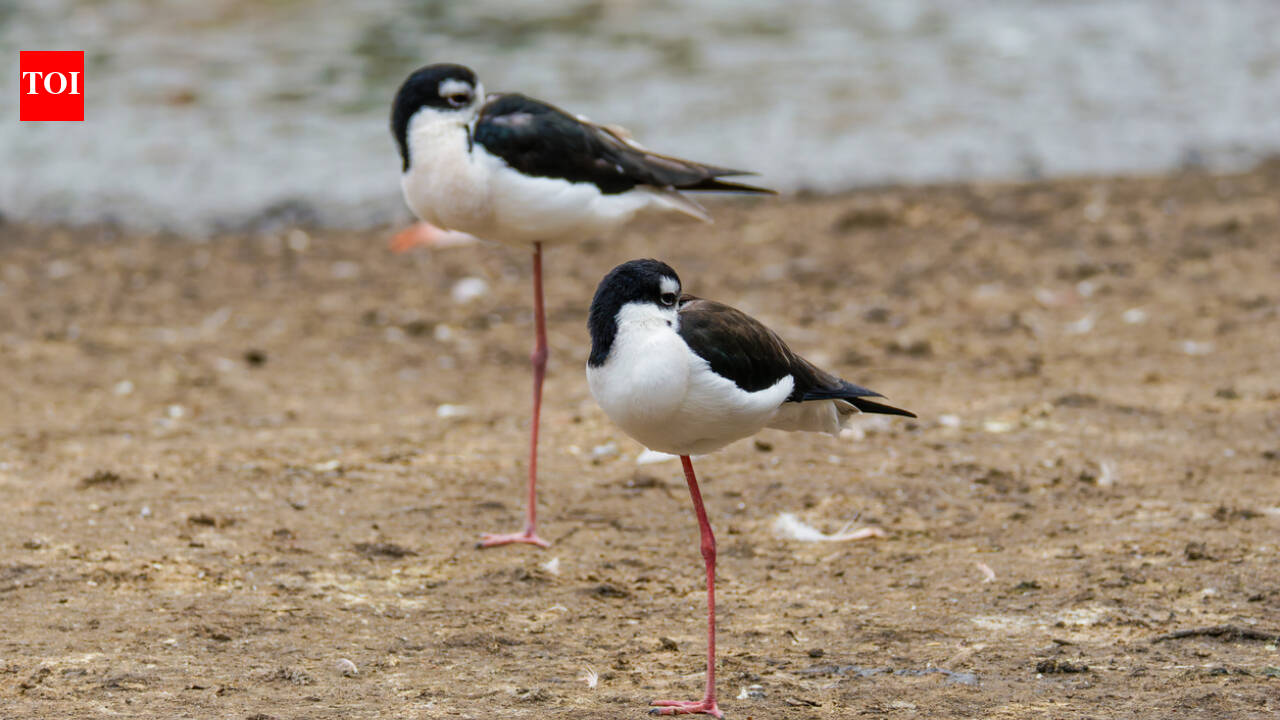
Imagine an endangered bird, with only a few hundred left in the world. But then, the hard work of scientists and the magic of innovation brought them back in large numbers, and decades later, the same birds are now thriving in parts of their native habitat. The remarkable return is that of the Hawaiian stilt, an elegant, long-legged shorebird whose recovery is now hailed as one of Hawaii’s conservation success stories. After more than 50 years of habitat restoration and wildlife management, ae`o has reportedly reached a major milestone in its recovery journey. The U.S. Fish and Wildlife Service has reclassified the bird from endangered to threatened under the Endangered Species Act. Scroll down to learn about this change of fortune.
From just 200 birds to over 1,500
According to reports, ae`o were once common throughout the Hawaiian Islands, but their numbers declined dramatically in the 20th century. By the 1940s, experts believed there were only about 200 birds left in the wild. That number has since ballooned to more than 1,500, a massive increase achieved through decades of coordinated conservation efforts. The new classification reflects the species’ steady recovery but also notes that it still needs protection. The announcement was published in the Federal Register earlier this month.
Why Ae’o almost disappeared
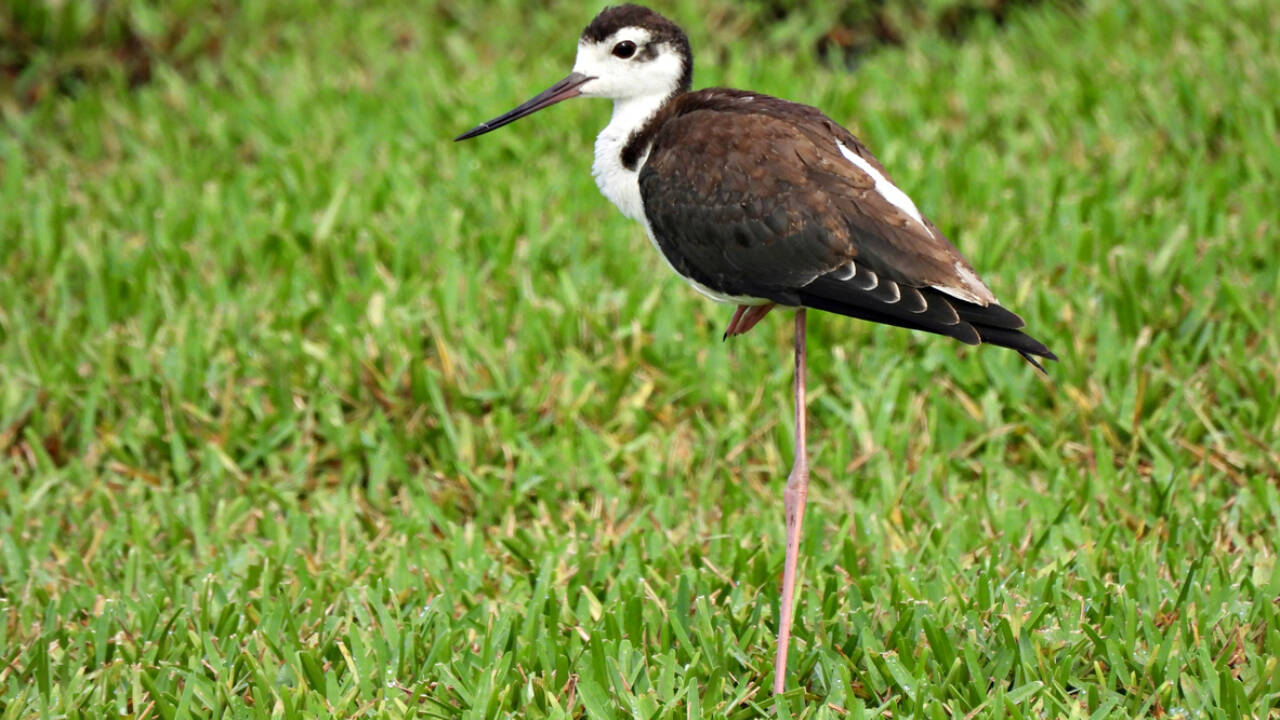
U.S. Fish and Wildlife Service and its findings
The report notes that while the Hawaiian stilt is endangered due to a variety of human-made and environmental factors, overhunting and the conversion of wetlands to agriculture and urban development have historically destroyed much of the bird’s natural habitat. At the same time, invasive predators such as rats, meerkats, cats and other introduced animals prey on eggs and chicks, making successful breeding increasingly difficult. In 1973, recognizing the severity of the bird’s decline, the whitebird was listed as endangered, and a long-term recovery plan was developed to protect the bird and its habitat.
Encouraging results after 50 years of research
New scientific research led by the University of Hawaii at Manoa School of Tropical Agriculture and Human Restoration supports the decision to list the species, online media reported. The study, published in the journal Applied Ornithology, analyzed more than 50 years of nesting records from more than 2,000 nests in nine Oahu wetlands from 1963 to 2020. Researchers found that nesting success and nestling survival rates continued to improve over time, proving that habitat restoration and predator management are key to the bird’s recovery.
Wetland restoration is different
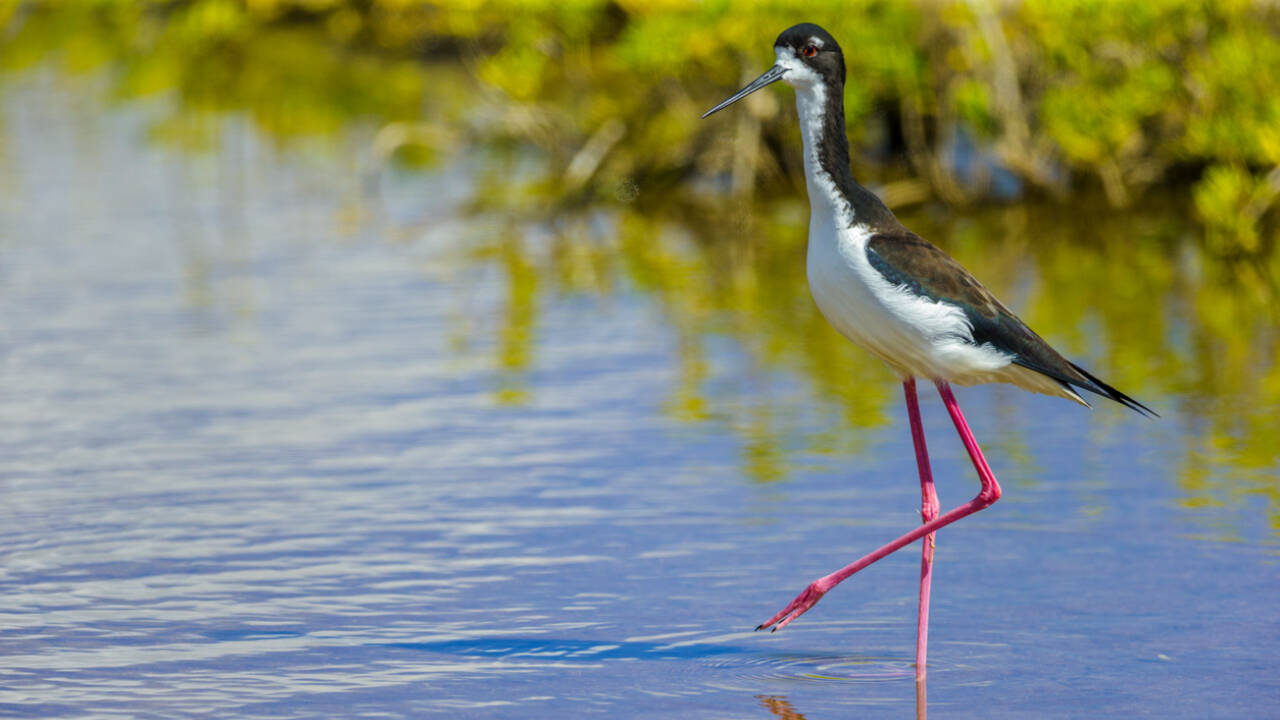
How wetland restoration helps
If conservationists are to be believed, they believe restoring wetlands is a major factor in Io’s comeback. Decades of restoration of degraded wetlands, careful management of water levels and control of invasive predators are said to have created safer breeding grounds. Scientists are also seeing birds rapidly returning to restored wetlands, including indigenous wetland agricultural systems that were once part of Hawaii’s traditional landscapes.“This is a highlight story,” said Melissa Price, associate professor in the Department of Natural Resources and Environmental Management at the University of Hawaii.
Is the recovery mission over?
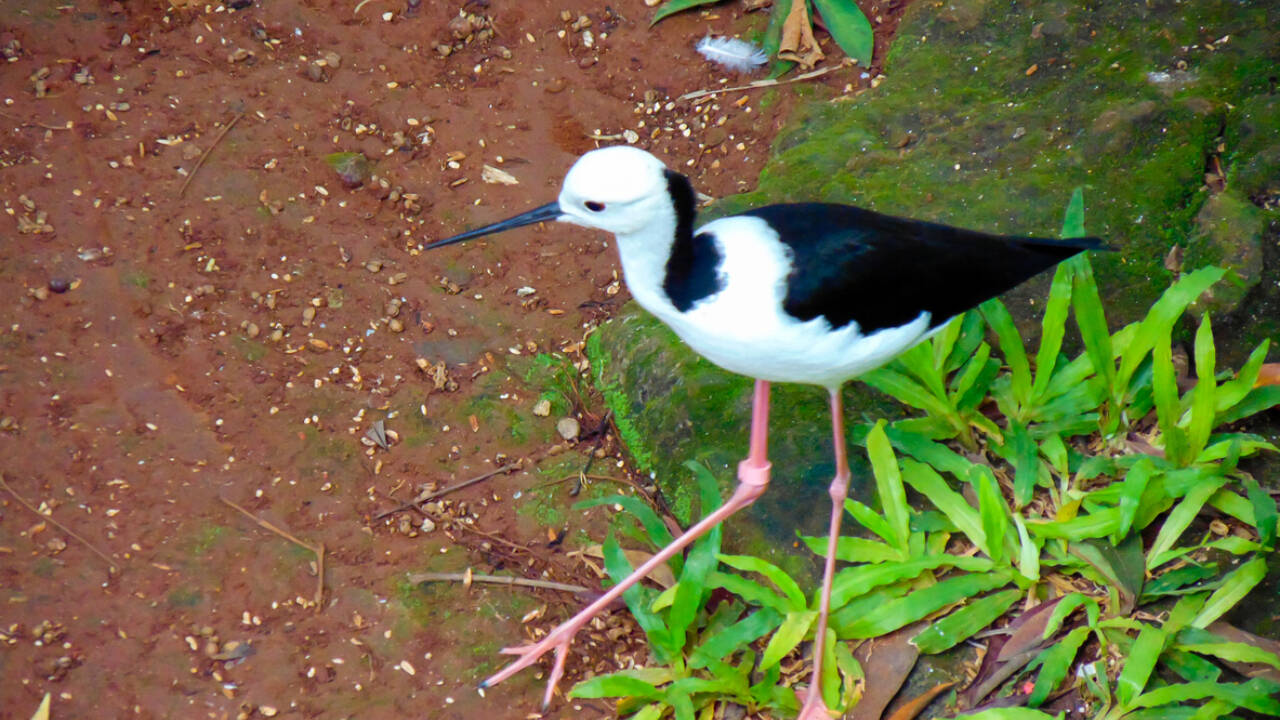
Collaborative conservation success stories
The U.S. Fish and Wildlife Service has proposed a species-specific rule that would allow habitat restoration and management activities to continue while maintaining protections under the Endangered Species Act to promote continued recovery. “This is just one step in a much longer conservation journey,” said lead author Jessica Idel, manager of the Pacific Cooperative Research Center at the University of Hawai’i at Manoa. But demotion is not the end of the job. This means the work is working. “Continuous monitoring and management, particularly through the addition of protected wetland habitat, is critical to sustaining population growth.”