


There is something special about observing wildlife in their natural environment. Whether it’s a mountain lion or a grizzly bear, these moments are prime targets on any outdoor adventure. However, it is important to remember that these animals are truly wild, we cannot be sure of their behavior, and they can be dangerous if they feel threatened.While the risk of an attack is very low, and you are more likely to be injured in a deer accident than a mountain lion accident, preparation is the best defense. We’ll help you learn how to safely enjoy an adventure with some of North America’s most iconic creatures.
What preparations should you make before going into the wild?
Safety starts before you even set foot in the wild. One of the most effective ways to stay safe is to avoid being alone. Traveling in groups can significantly reduce risk, as most animals avoid large gatherings of humans. If you are traveling with children, you should make it a priority to keep them close to you and within your sight at all times.Another simple rule is to “stay alert.” Distractions such as cell phones or earbuds may prevent you from hearing approaching animals or looking for signs of their presence. By putting your devices away, you can enjoy the natural wilderness while taking in your surroundings.
What’s the best way to encounter a “wild bear”?
If you encounter a bear, your reaction should depend entirely on the bear’s behavior. In most cases, grizzly bears will act defensively when you accidentally enter their personal space or when they are protecting a food source or cubs. A defensive bear may moan, “bark,” or slap the ground to tell you to back off.You should stay calm and speak in a soft voice. Back away slowly, but don’t run away. Running triggers a bear’s instinct to chase you. If it attacks, stand your ground and use bear spray. Unfortunately, if you are exposed to it, this is the only time you should “play dead.” Fall to the ground, lie on your stomach, and interlock your fingers behind your neck to protect your head. Once a bear feels the threat is gone, it will usually move away. Stay still until you’re sure it’s gone.On the other hand, a “predatory bear” usually shows a calm interest in you. It may follow you or approach you directly without making any noise or showing signs of stress.In this case, don’t play dead. Instead, stand your ground and take action as aggressively as possible. Raise your arms, open your jacket, and stand on a rock or log to make the bear look big. Yell at the bear in a strong, loud voice. If a predatory bear attacks, fight back with whatever you have, such as rocks, sticks, or your bare hands.
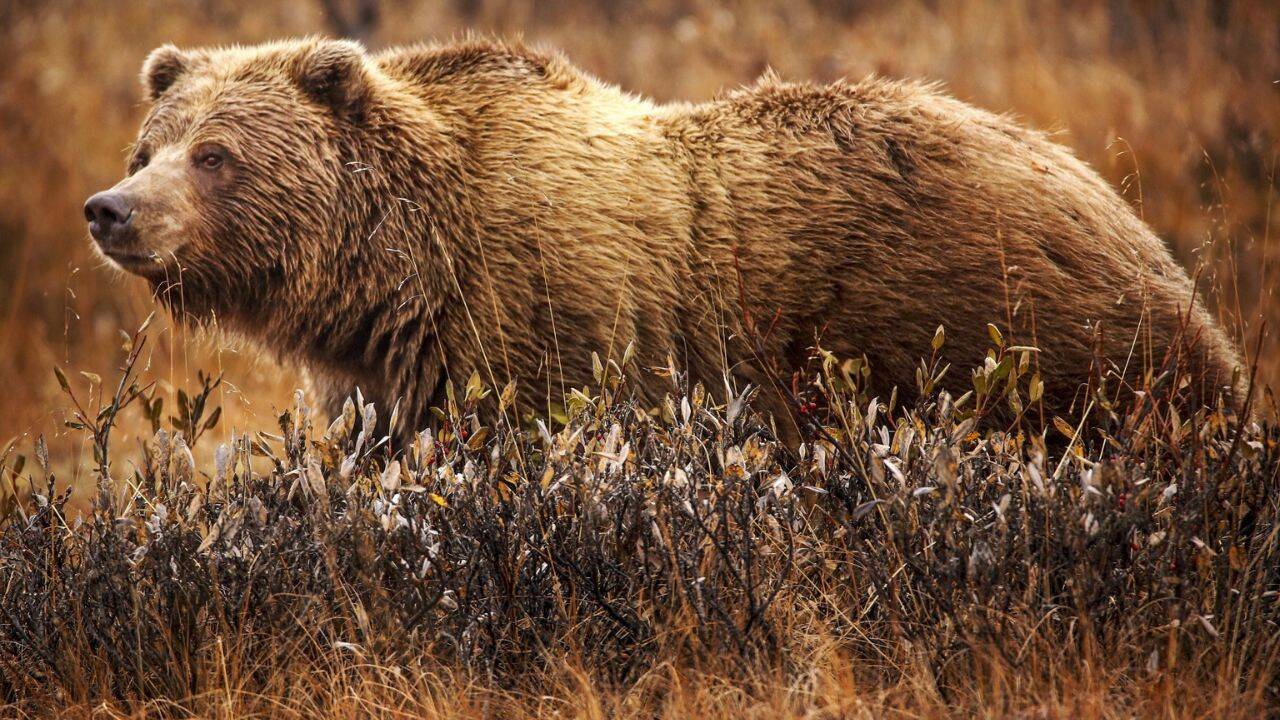
Image credit: Jean Beaufort – https://www.publicdomainpictures.net/en/view-image.php?image=300112&picture=grizzly-bear, CC0, https://commons.wikimedia.org/w/index.php?curid=82893998
What do you do when a mountain lion surprises you on your adventure?
Mountain lions naturally try to avoid humans. However, if you find yourself face to face with one, you must make it clear that you are a danger to it, not a meal. The golden rule is “Don’t squat.” Biologists believe mountain lions don’t always view standing humans as prey. However, a crouching or stooped person looks a lot like a four-legged animal, such as a deer. Never squat or bend in front of a mountain lion, even when picking up a child. Instead, lift your child as upright as possible.If a lion approaches you, wave your arms slowly and speak firmly. Without turning around, pick up rocks or branches (or use items from your bag, such as a water bottle) and throw them near the animal. The purpose is to show that you can protect yourself without harming yourself. If it continues to appear, throw items directly at it. Avoid contact with the head or eyes as this may make it more dangerous to others in the future, but take the necessary steps to protect yourself. Unfortunately, if attacked, fight back aggressively. Use a stick, a jacket, or even a backpack as a shield. Target the head and neck.
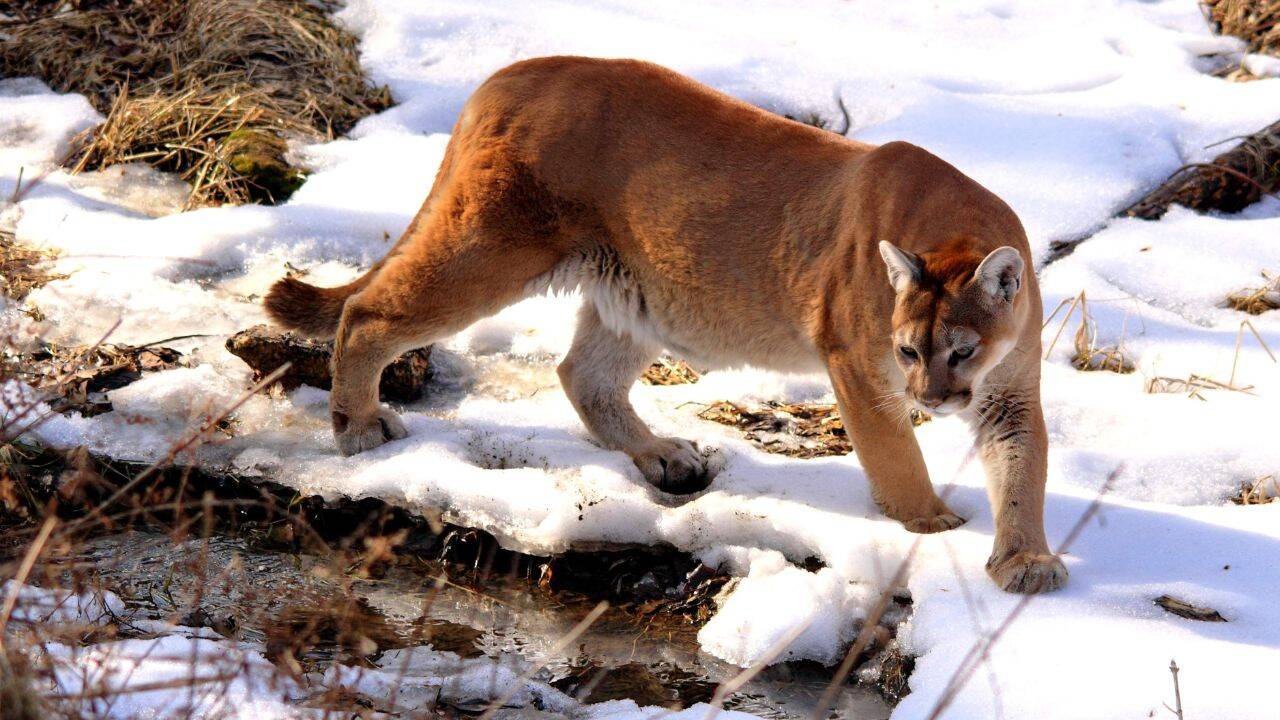
Image source: NaturesFan1226, CC BY 3.0, https://commons.wikimedia.org/w/index.php?curid=53525143
Don’t take herbivores like “moose” for granted
We often forget that large herbivores like moose, bison, and elk can be just as dangerous as carnivores. The first rule for these animals is to give them “enough space.” Moose, in particular, can become very aggressive if they feel cornered or to protect their calves. If you see a moose in the wild, do not try to walk by it. Give it a wide berth, or turn around and wait for it to move on. If a moose attacks you, it’s best to run and hide behind a tree or car.
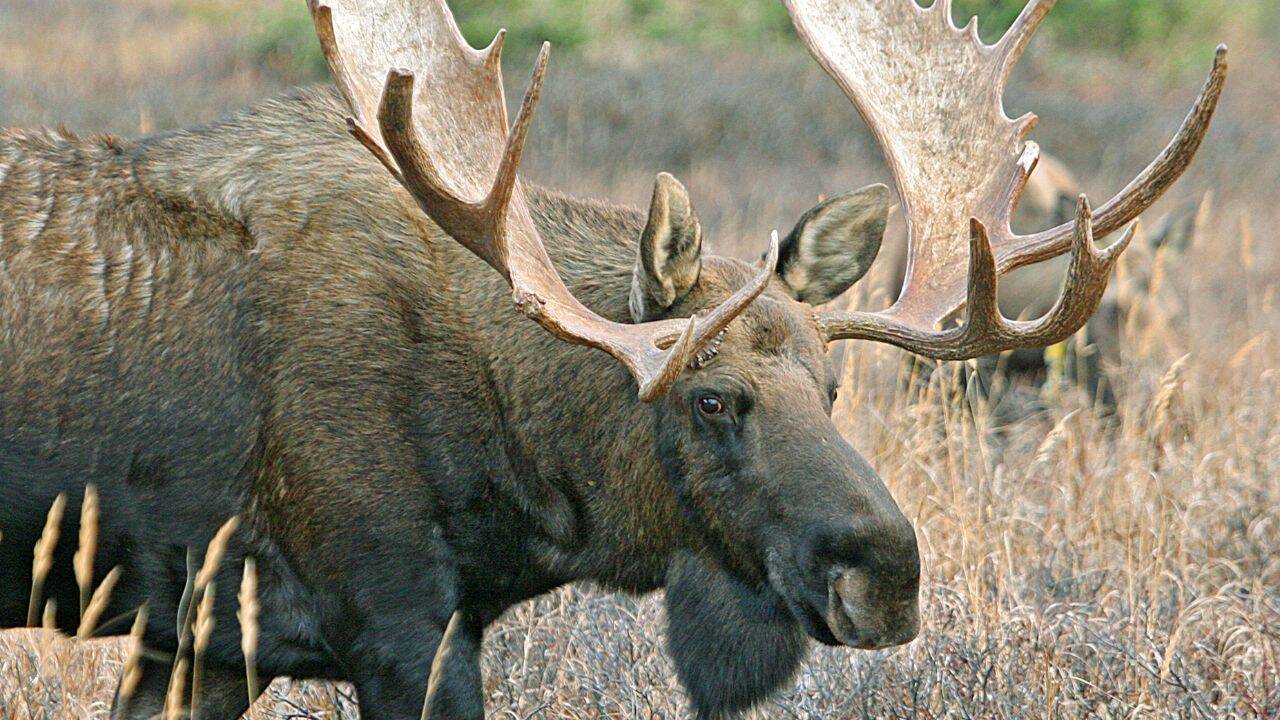
Image credit: Donna Dewhurst – http://images.fws.gov, Public Domain, https://commons.wikimedia.org/w/index.php?curid=2072582
Share wildlife journeys responsibly
It is a privilege to see these animals, but it is also our responsibility to respect them. Most wildlife encounters end peacefully because the animals choose to avoid humans. By keeping your distance, staying in groups, and knowing how to respond in an emergency, you can ensure that wildlife sightings are a safe experience for you and the animals.If you experience a serious encounter or attack, be sure to report it immediately to a park ranger or local wildlife authority. This helps them assess public safety and effectively manage local animal populations.