
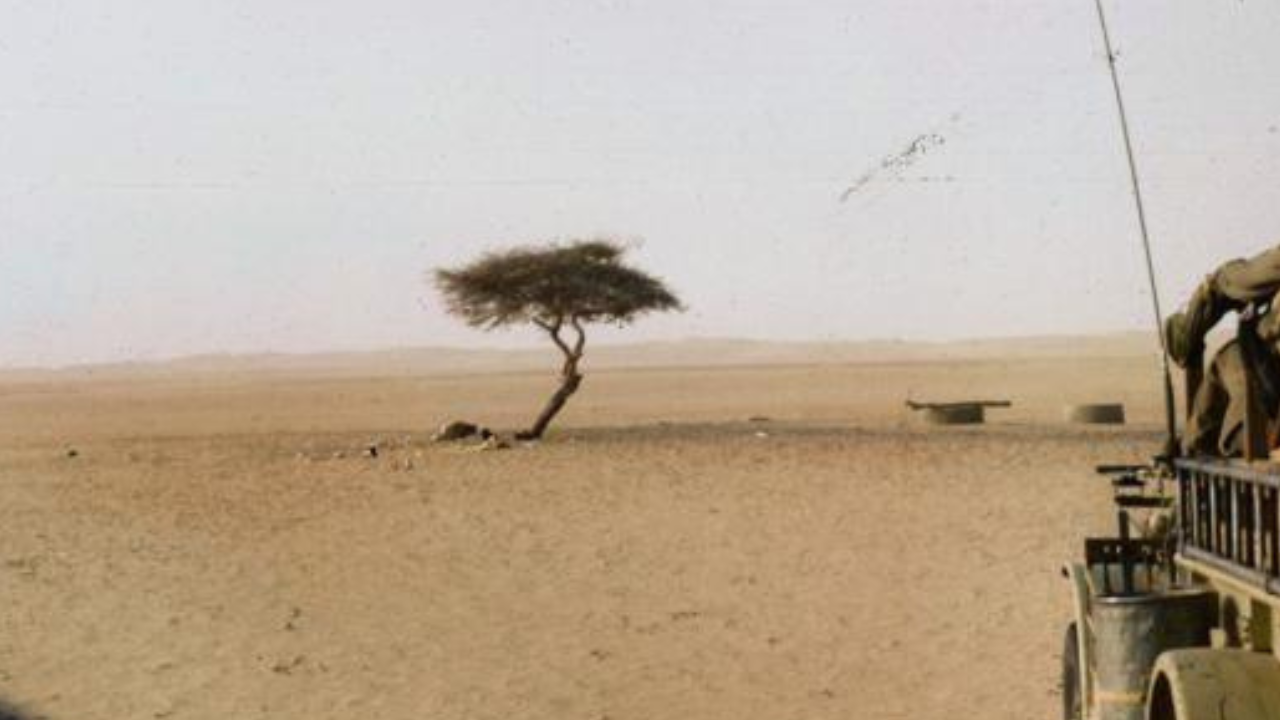
Deep in the Tenere Desert of Niger once stood what was widely regarded as the world’s loneliest tree, the Acacia parasol, which survived for some 300 years despite the fact that there were no other trees within a radius of about 400 kilometers. Hidden beneath the scorching Sahara Desert, its roots extend more than 30 meters underground, exposing it to precious groundwater, allowing it to endure one of the harshest environments on Earth. For generations it has guided Tuareg caravans, explorers and motorists across an uninspiring sea of sand, becoming one of the few marker trees on the map. After centuries of drought and isolation, this remarkable tree met an unexpected end in 1973, when it was hit by a truck. Today, a metal monument stands where the legendary tree once grew.
How the world’s loneliest tree survived alone in the Sahara Desert for 300 years
The Tenere tree stands in the remote Tenere Desert in northeastern Niger, one of the driest places on Earth. Annual rainfall is low and daytime temperatures often exceed 45 degrees Celsius, creating conditions in which little vegetation can survive.The tree is Vachellia tortilis and is believed to be around 300 years old. Scientists believe it is the last survivor of the green Sahara. Thousands of years ago, the area contained rivers, lakes and woodlands before gradual climate changes transformed it into the vast desert seen today. As the land dried out, almost all other trees disappeared, leaving only this lone acacia tree standing alone.
Roots more than 30 meters deep keep the tree alive
For years, explorers have wondered how a lone tree could survive in such an unforgiving environment.The answer emerged in 1938 when engineers dug a nearby well. They found that the tree’s roots extend 33 to 36 meters below the desert floor, reaching hidden groundwater that has been trapped underground for thousands of years.This extraordinary root system provides the trees with enough moisture to survive despite almost no rainfall. It also allows the acacia tree to withstand relentless heat, powerful dust storms and decades of drought that destroy nearly every other tree in the surrounding area.
The accident ended this remarkable story
After centuries of relentless drought, scorching heat, shifting sand dunes and complete isolation, the Trees of Tenere seemed nearly impossible to defeat. Nature has tested it for about 300 years, but it remains the only tree for hundreds of kilometers in the Sahara Desert.Its extraordinary journey ended in 1973 in a way that few could have imagined. It has been widely reported that an allegedly drunken Libyan truck driver somehow veered off course and crashed into a lone acacia tree. The irony is almost unbelievable. In a desert with no other trees for about 400 kilometers, the driver somehow collided with the only tree.The impact snapped the legendary tree, ending the life of one of the world’s most remarkable natural landmarks. What centuries of drought, fierce desert winds and extreme heat failed to destroy, were erased in seconds by a single human error.
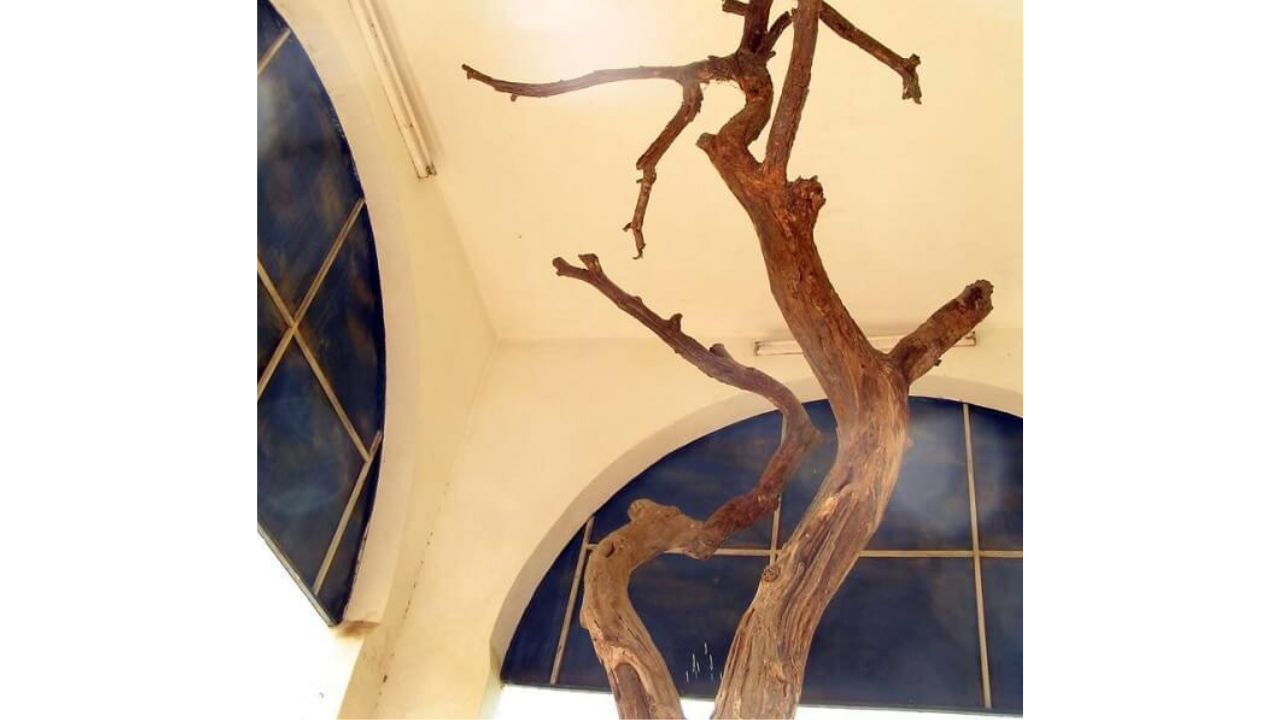
Remains of the Tenere tree preserved in the National Museum of Niger.
Why it’s the world’s most isolated tree
The Tenere tree has won international recognition because there is no other tree for about 400 kilometers in any direction.Long before the advent of GPS or satellite navigation, it became one of the most important landmarks in the Sahara. Tuareg caravans, camel traders, French military expeditions and later motorists all relied on this lone tree to navigate the vast desert. Its importance was so great that cartographers marked a single acacia tree on maps covering large swathes of North Africa, a rarity for a single tree.For travelers crossing endless sand dunes, the sight of this lone tree often means they’re on the right route through one of the most featureless landscapes on Earth.
A tree revered by generations of travelers
Despite growing in areas where firewood is scarce, Tenere trees are rarely disturbed by humans.The local Tuareg community respects the tree and studiously avoids cutting its branches or allowing camels to feed on its leaves. A well next to the tree also provided an important stopping point for caravans traveling across the Sahara, making the site both a navigational aid and a resting place.Over time, the acacia tree became more than just a tree. It symbolizes hope, endurance and survival in one of the world’s harshest environments, and many travelers consider reaching it a reassuring sign that they have successfully navigated one of the most unforgiving deserts on Earth.
what replaced the legendary tree
After the accident, the remains of the original tree were carefully transported to the Niger National Museum in the capital, Niamey, where they are still preserved today.Where the acacia tree once grew, stands a striking metal sculpture resembling an acacia tree. This monument does not seek to replace the living tree, but rather serves as a permanent reminder of one of the Sahara’s most striking natural landmarks. A second artistic replica was later installed in the historic city of Agadez, helping to preserve the tree’s legacy for future generations.
Why another tree was never planted
Many people wonder why conservationists don’t simply plant another tree in its place.The answer lies beneath the desert floor. The original acacia tree survived only because its roots slowly penetrated, over decades, into groundwater more than 30 meters below the surface. Without consistent irrigation and long-term care, newly planted saplings will almost certainly die before they develop such an extensive root system.In one of the driest environments on Earth, recreating the natural conditions that sustained original trees is nearly impossible. The monument therefore commemorates not only the tree itself, but also the extraordinary geological conditions that have allowed it to survive for centuries.
The enduring legacy of the Tenere tree
Although the original tree disappeared more than fifty years ago, its story continues to fascinate scientists, historians and travelers around the world.The Tenere tree remains one of nature’s greatest examples of resilience. It has survived alone in the heart of the Sahara for centuries, sucking life from hidden underground water while guiding countless people safely across one of the most unforgiving landscapes on Earth. It’s also a reminder that some of the world’s most extraordinary natural landmarks are often the most fragile.Today, visitors no longer find a living acacia tree rising from the sand, but its story continues through the monument marking its former home and the well-preserved trunk on display at the Niger National Museum. More than half a century after its destruction, the Teneret tree remains one of the most compelling stories of survival, endurance and irony in natural history.