
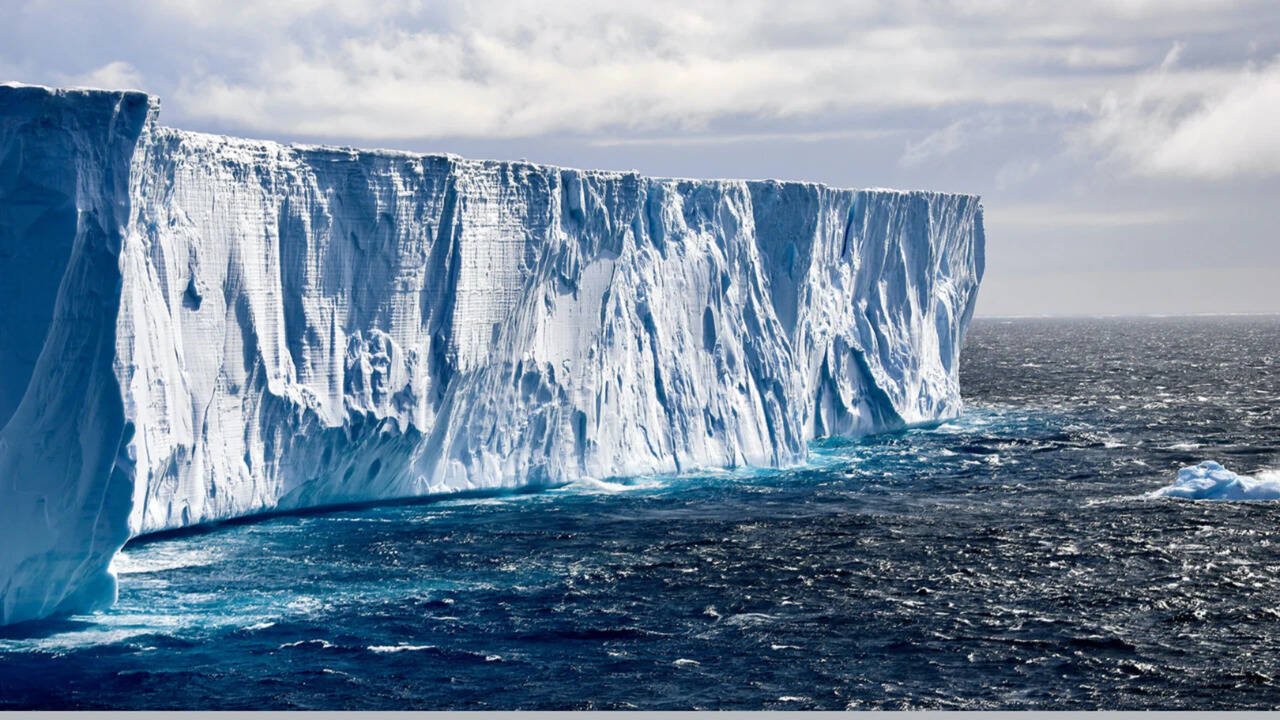
Scientists have detected nanoplastics in Antarctic soil for the first time. This provides new evidence that tiny plastic particles can travel through the atmosphere and reach some of the most remote places on Earth. But how is this possible?The study was published in scientific report Nanoplastics have been found in soil in the McMurdo Dry Valleys, one of the coldest and driest regions on Earth. The researchers say the findings suggest plastic pollution is no longer limited to densely populated or industrialized areas and may now even be present in the Antarctic interior.The particles found included debris from tire wear, as well as five other common plastics used in everyday products. The finding also points to a combination of local human activity and long-distance atmospheric transport as possible sources of contamination.
New concerns beyond microplastics
Microplastics have become a growing environmental problem in recent years, but scientists say nanoplastics may pose an even greater challenge.Nanoplastics are plastic particles less than one micron in diameter. Because they are much smaller than microplastics, they can more easily become suspended in the air, pass through cell membranes and carry other contaminants on their surfaces.Scientists have discovered nanoplastics in many parts of the world, including in remote areas such as Greenland and the Alps. The findings suggest these tiny particles can travel long distances in the atmosphere.So far, Antarctic soil, especially away from the coastline, remains one of the few places where nanoplastics have not been found.Antarctica has long been considered one of the most pristine environments in the world because it has no permanent population, no history of industrialization, and only a limited human presence through scientific research stations. The continent’s extreme weather conditions make it difficult for ecosystems to thrive. Although previous studies have documented macroplastics and microplastics in Antarctic seawater, sediments, glaciers, sea ice, snow, and coastlines, less is known about plastic pollution in inland soils and surfaces.This new study fills this gap.
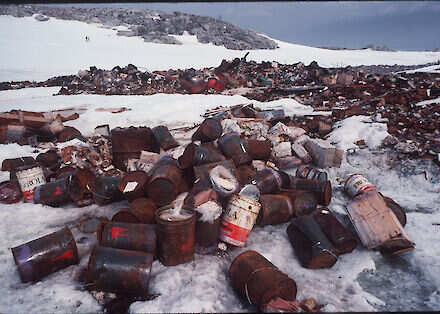
Plastic pollution in Antarctica is more common than you think
New detection method reveals pollution hazards
Finding nanoplastics in soil is one of the most difficult things to do.Unlike larger plastic fragments, nanoplastics are present in extremely low concentrations and are difficult to separate from soil particles. Early methods were difficult because the plastic particles clump together, mix with soil material, and were not sensitive enough to detect extremely small amounts of plastic particles.Researchers say advances in detection technology now make these measurements possible.They write: “This gap stems from analytical challenges, including matrix interferences, particle aggregation, and the limited sensitivity of existing detection methods—especially important in remote environments such as Antarctica, where nanoparticle concentrations are extremely low. Recently, thermal desorption-proton transfer reaction-mass spectrometry (TD-PTR-MS) has emerged as a highly sensitive technique capable of detecting ng-scale nanoparticles, providing a promising path for the development of this field.“Using this technique, the team was able to detect nanoplastics at concentrations measured in nanograms. For context, 1 nanogram (ng) = 0.000000000001 kilogram (kg)
Sampling one of the world’s harshest environments
Researchers collected soil samples in January 2023 from Taylor Valley and Wright Valley in the McMurdo Dry Valleys, the two largest ice-free dry valleys in Antarctica.The team analyzed 13 topsoil samples and four samples taken from depths above 20 centimeters. Each sample was analyzed using a newly developed test method capable of detecting extremely small amounts of nanoplastics. Scientists also tested soil for microplastics.Nanoplastics detected in 54% of topsoil samples exceeded the detection limit of the method.The highest concentration measured reached 295 nanograms per gram of soil.The particles were also found in half of the deeper soil samples, but at lower concentrations. This suggests that some nanoplastics may work their way deeper into the soil or become buried below the surface over time.
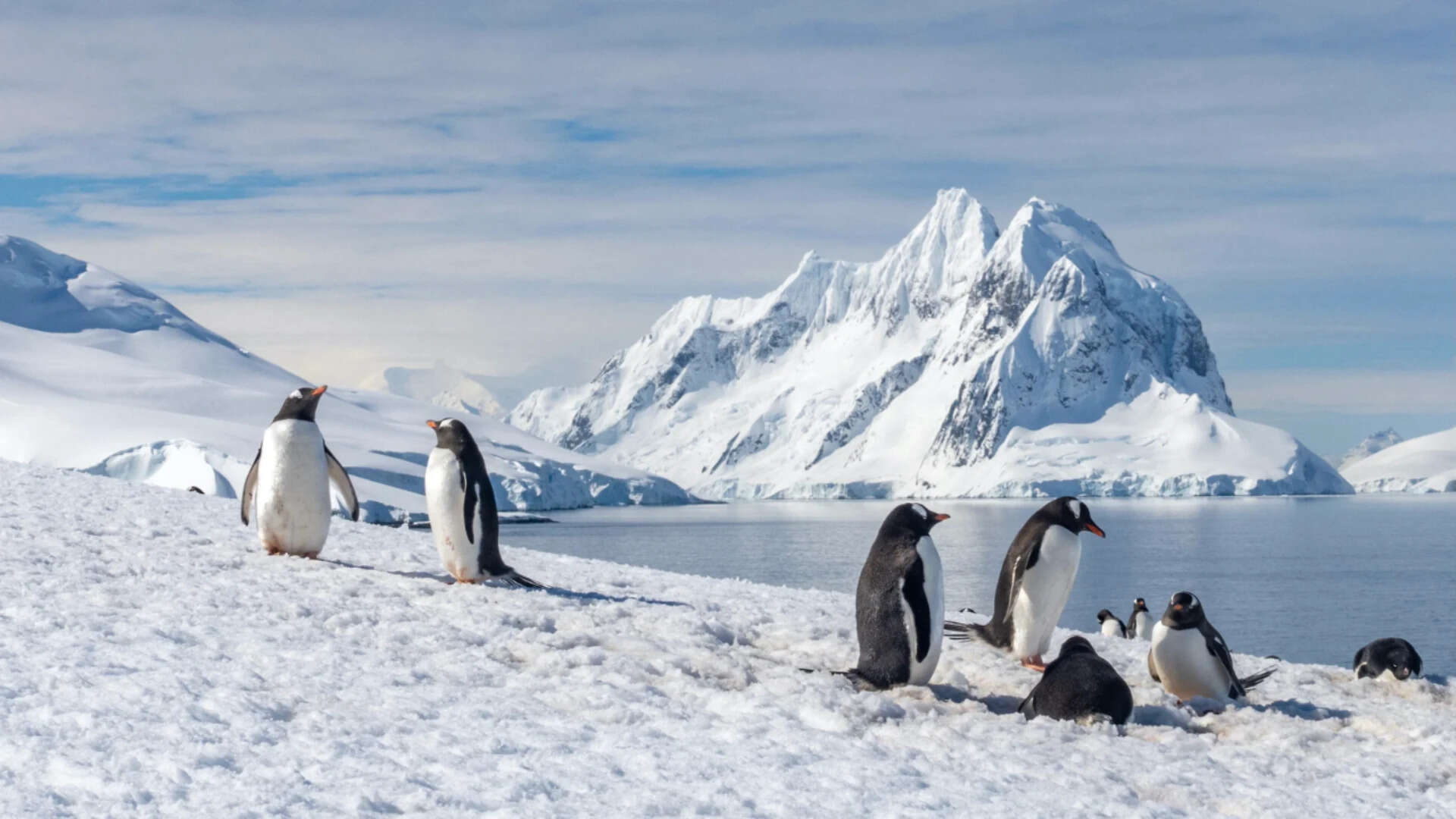
Antarctica is one of the most hostile regions in the world
Six common plastics identified
The analysis revealed six commonly used plastic types.Polypropylene had the largest share, accounting for 41.9% of the total plastic detected.Tire wear particles ranked second, accounting for 29.6%, followed by polyethylene, accounting for 14.6%.The researchers also identified polyethylene terephthalate (commonly known as PET), polystyrene and polyvinyl chloride.The team warned that the true contamination levels may be higher than reported in the study.Their extraction method cannot recover every particle present in the soil, meaning some nanoplastics go undetected. The technique is also more effective at identifying smaller particles than larger ones, which could introduce another source of underestimation.The researchers also noted that their sample size was relatively small and plastic concentrations varied widely from site to site, making it difficult to draw conclusions about the McMurdo Dry Valleys region as a whole.
Where does plastic come from?
After confirming the existence of nanoplastics, researchers investigated how they arrived in such remote areas.They used an inverse model of the atmosphere to estimate the origin of air masses arriving at sampling sites and how plastic particles spread during different seasons.The model shows that there is no single source.Local human activity appears to contribute during the Antarctic summer, while long-range atmospheric transport becomes important in winter.The researchers also found that melting sea ice is another possible cause, releasing plastic particles previously trapped in the ice.
Research stations leave a local footprint
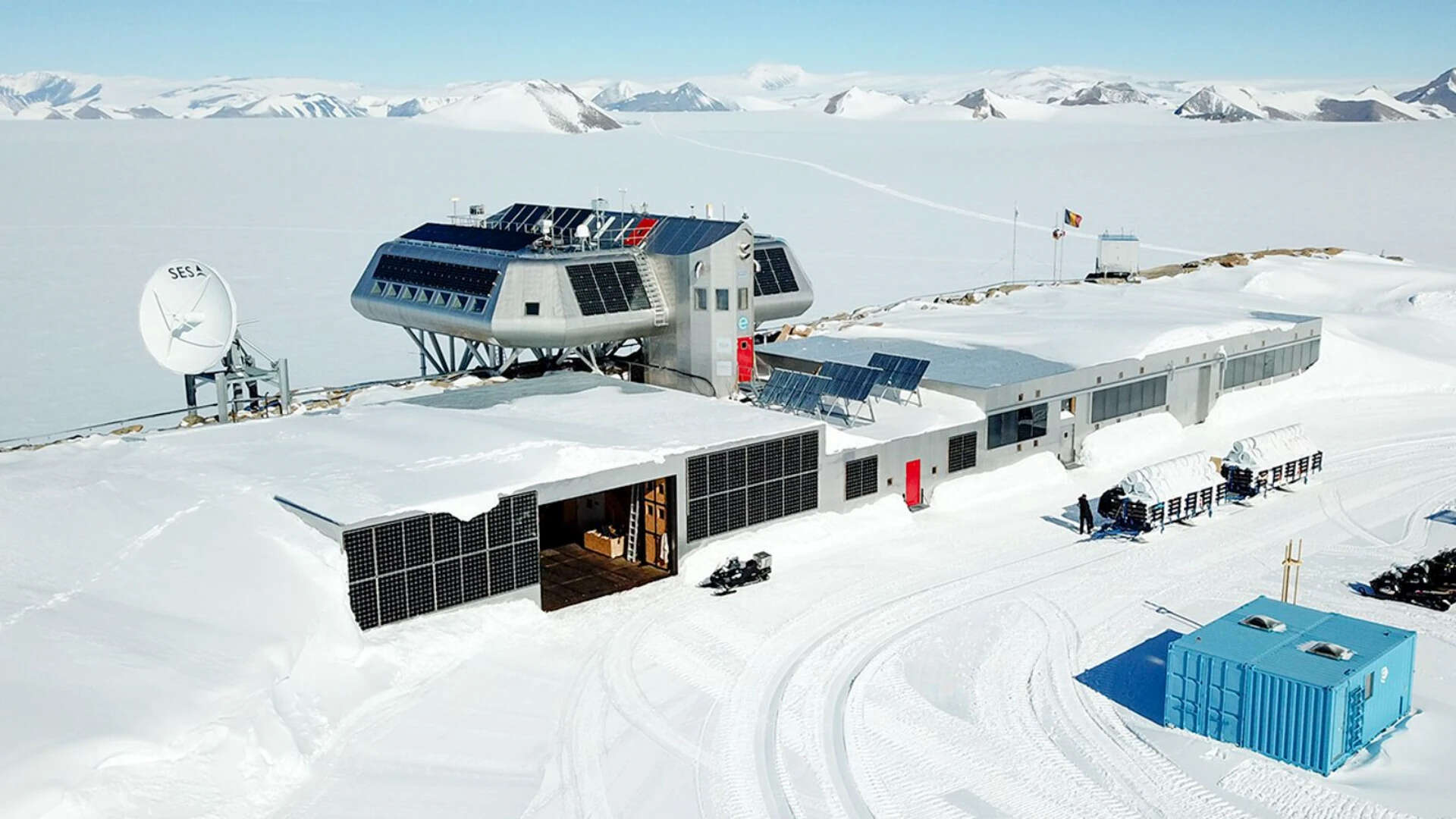
Some scientific facilities operate within approximately 100 to 120 kilometers of sampling sites.These include Ross Island, Scott Base, McMurdo Station and Marble Point Weather Station, as well as two smaller U.S. research outposts in Taylor Valley to support summer fieldwork.The researchers explain: “Research stations such as Ross Island, Scott Base, McMurdo Station and Marble Point Weather Station, as well as two small US outposts in Taylor Valley, support researchers during the summer and are approximately 100-120 kilometers from our sampling sites. McMurdo Station can accommodate 1,200 people in the summer and about 150 people in the winter, while Scott Base can accommodate 86 people in the summer and 11 people in the winter. This may also explain why during the Antarctic summer, plastic is more locally sourced on the continent. “The findings suggest that even relatively small seasonal populations leave a measurable environmental footprint.
Plastic particles may circle the earth
The study provides evidence that nanoplastics can travel long distances in the atmosphere.Researchers say particles with diameters between 100 and 1,000 nanometers can stay in the air long enough to travel across continents and oceans. Early research has shown that microplastics can become suspended in the atmosphere and eventually settle thousands of kilometers from where they are released.The team’s atmospheric modeling suggests that long-range transport serves as a source of nanoplastics and microplastics in the McMurdo Dry Valleys during Antarctic winter.This means that some of the plastic found in Antarctica may have originated outside Antarctica.
Establish a baseline for future monitoring
The researchers say the study provides the first baseline data on nanoplastic contamination in Antarctic soil and could support future environmental monitoring programs.They also believe that determining how plastic reaches Antarctica could help improve waste management practices and guide operational policies at research stations across the continent.The study is the first to confirm evidence of nanoplastics in Antarctic soil. It also shows that airborne plastic pollution can reach places once thought to be least affected by human activity.