
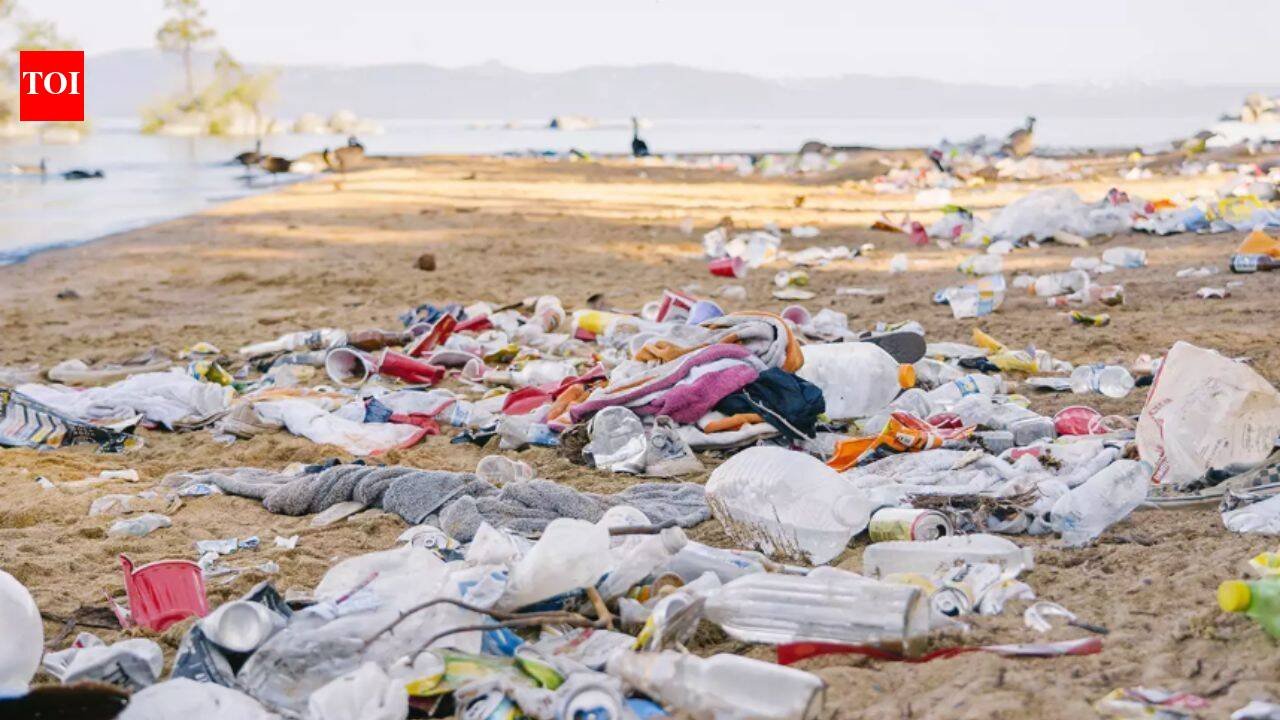
As millions of Americans grill the grills, head to the beach and prepare for fireworks displays on the Fourth of July, another annual tradition is quietly taking shape.One of the biggest sources of July 4th trash is food. Americans threw away more than 120 million pounds of food over Independence Day weekend, according to ReFED, a U.S. nonprofit that studies food waste. This accounts for approximately 20% of all food prepared for the holidays and is worth nearly $400 million.Families buy extra burgers, hot dogs, steaks, snacks and desserts to make sure no one goes hungry. A little food from a barbecue may not seem like much, but among millions of households, it’s become one of the country’s biggest annual food waste incidents.In addition to the food, the holiday crowd left after the fireworks show on the beach. One example is Lake Tahoe, where 402 volunteers spent more than three hours cleaning six popular beaches, nearby streets and parking lots after Independence Day celebrations in 2024, News 4 reported.As of that morning, they had collected 8,559 pounds of trash, the highest amount recorded since the annual Keep Tahoe Red, White and Blue cleanup began in 2014.Meanwhile, in Washington state, garbage contractor LeMay Grays Harbor removed 84,900 pounds of fireworks debris and trash from beaches after Fourth of July celebrations. The City of Oceanside alone has provided over £50,000 in funding.
Hidden costs of waste
The impact of Fourth of July litter extends far beyond overflowing trash cans. Grilled items such as burgers and steaks accounted for the majority of discarded food, followed by pork, chips and ice cream. According to ReFED, beef is one of the most environmentally costly meats because raising cattle produces large amounts of methane. It is estimated that the emissions associated with wasted beef during the holidays are equivalent to the annual electricity use of approximately 50,000 U.S. households.Every uneaten burger, steak, or ice cream also represents the water, farmland, fuel, and electricity used to produce it. ReFED estimates that the water needed to grow the food wasted during the holidays could supply homes across California for about two weeks.The organization also estimates that food wasted over Independence Day weekend could provide two meals for every person experiencing food insecurity in the United States.Even after organized cleanups are over, burning fireworks, plastic debris and microplastics often remain buried in the sand or washed into rivers and lakes, where they can continue to harm wildlife long after the holiday weekend is over.
Who pays for cleanup?
Once the celebrations are over, responsibility for the clean-up falls to local councils, waste contractors and thousands of volunteers.Communities spend thousands of dollars collecting, transporting and disposing of the extra waste generated during the holidays. In some coastal areas, waste must be hauled hundreds of miles before reaching landfills, increasing disposal costs.Volunteer groups also donate hundreds of hours each year to restore beaches, parks and public spaces before visitors return.