
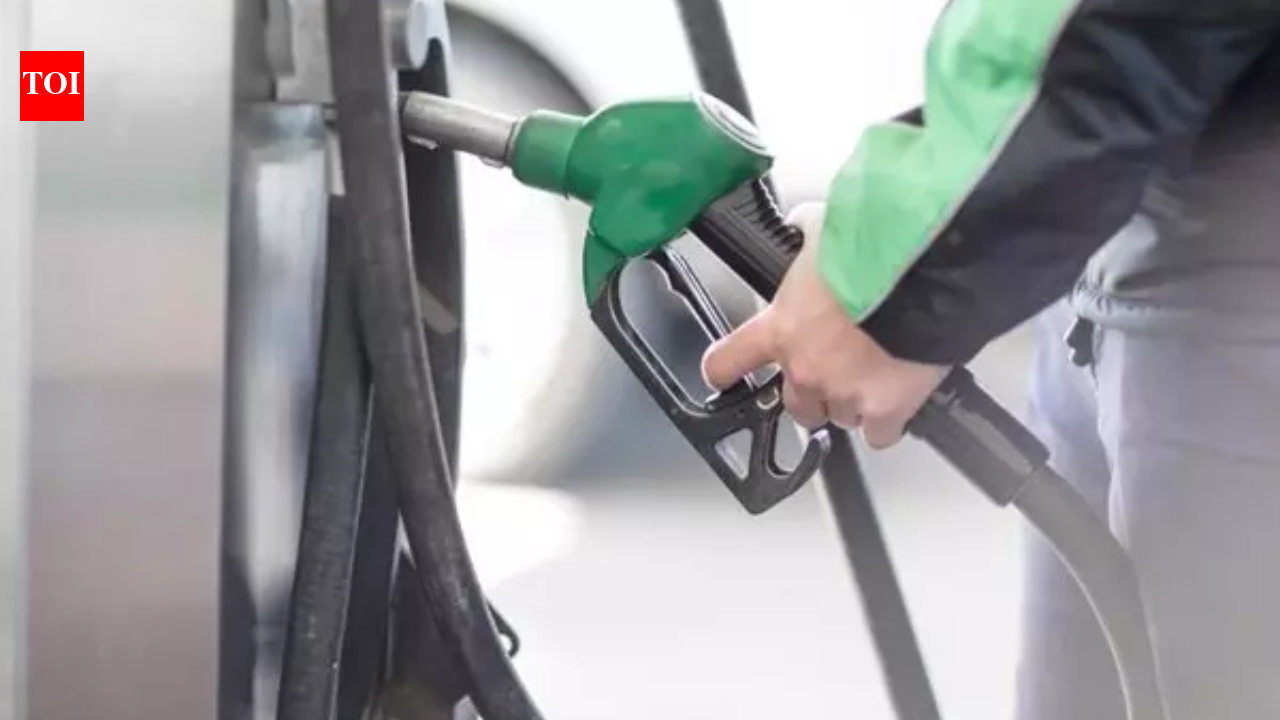
The crisis in the Middle East has been going on for a month, sending ripples around the world. While some countries are raising fuel prices, others are taking other measures to cushion the impact on consumers while balancing energy reserves. Pakistan is no stranger to ongoing energy volatility, as the country imports nearly 85% of its supplies through the Strait of Hormuz. The Pakistani government has raised gasoline prices several times since the conflict began, the last time on Friday. As public anger spilled onto the streets, sharp increases in fuel prices forced the government to roll out emergency relief measures, including making public transport free in key areas. Commuters in Islamabad and Punjab will not have to pay state-run transport fares for the next 30 days, authorities announced on Friday.
Balancing the Hormuz crisis and consumer interests
The decision came after widespread unrest sparked by an overnight rise in petrol prices by 42.7% to Rs 485 a liter, triggering protests and long queues at filling stations. However, following public outrage, Pakistan Prime Minister Sherbaz Sharif later revised the price increase policy and lowered the price of petrol to 378 rupees per liter. “This reduction will last for at least a month,” he said in a televised address, adding: “I promise I will not rest until your life returns to normal.“On diesel prices, the government increased HSD prices by PKR 184.49 per liter from PKR 335.86 to PKR 520.35 but removed the levy to provide some relief to citizens.Elaborating on the relief measures, Interior Minister Mohsin Naqvi said that “all public transport in Islamabad will be free to the public for the next 30 days starting tomorrow (Saturday)”, noting that the government will bear the cost of Rs 350 million.Punjab has also followed suit, scrapping public transport fares and introducing “targeted subsidies” for trucks and buses. CM Maryam Nawaz Sharif also appealed to transport operators not to pass on the burden to passengers, saying, “We are committed to immediately relieving the financial burden on the public once the situation improves.”In Karachi, the Sindh government also took similar steps, announcing subsidies for motorcyclists and small farmers.
Middle East tensions put pressure on Pakistan
These developments come against the backdrop of intensifying global energy disruptions caused by the US-Israeli war against Iran that began on February 28. The conflict has led to retaliatory attacks in the Gulf and disrupted shipping in the Strait of Hormuz, a vital route for energy supplies, particularly to Asia.In response to the pressure, Pakistan has introduced a series of fuel-saving measures, including working a four-day week in many government offices, extending school holidays and moving to online classes in some cases.The country, where about 25% of its 240 million people live in poverty, is feeling tremendous economic pressure, according to the World Bank. In early March, fuel prices had already risen by 20%, and authorities initially resisted further increases.Protests broke out in Lahore on Friday, with demonstrators calling on the government to reverse the price increase. “The government dropped a ‘petrol bomb’ on its people overnight,” said 39-year-old protester Naveed Ahmed. “Our country cannot afford this now. This inflationary storm must be stopped and relief provided to the public.”Another protester, Hafiz Abdul Rauf, questioned the reasons behind the rate hike, saying: “The rate hike we are seeing is not due to the (Iranian) war but pressure from the IMF, pressure that must be resisted. For God’s sake, drop these demands and show some compassion for the people.”The pressure is not limited to Pakistan. Bangladesh also increased the prices of LPG and CNG by 29%. Meanwhile, the International Monetary Fund warned earlier this week that fragile economies face not only rising energy costs but also supply chain disruptions. On March 28, it said it had reached a preliminary agreement with Pakistan on a $1.2 billion support package.