
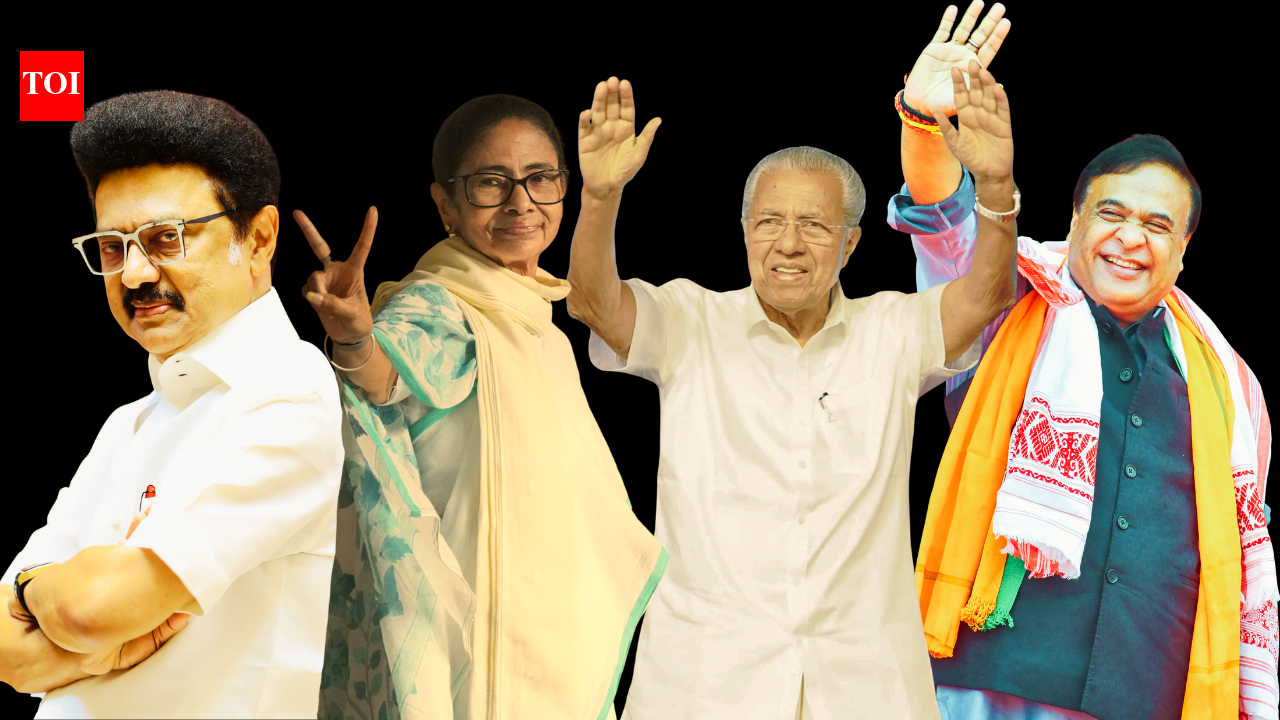
NEW DELHI: On paper, the 2026 parliamentary elections look simple: five regions, 824 seats, and a familiar list of parties vying for power. West Bengal (294 seats), tamil nadu (234), Kerala (140), Assam (126) and pondicherry (30) Together, they constitute an important but not unprecedented electoral campaign.However, this is not a routine election cycle.Timing gives it weight. From May 3, 2026, bjp– Led NDA governs 21 out of 31 states and Union Territories. The areas that just went to the polls – particularly in the south and east – are among the last major areas where the BJP has yet to fully consolidate power. That alone turns it into a test of geographic expansion.This importance is heightened by the scale of voter participation. Voter turnout in West Bengal was nearly 91%, the highest ever. Voter turnout in Tamil Nadu reached 85.1%, a significant jump. In Assam, the ratio is close to 86%, in Kerala it is stable at around 80%, and in Puducherry it is around 90%. These numbers do not indicate voter fatigue. Instead, they point to voters who are politically charged and invested in the outcome.However, the high turnout remains a mixed signal. It can signal anti-incumbency, but it can also reflect strong mobilization by the ruling party. It could indicate enthusiasm for new entrants, or consolidation of traditional vote banks. By 2026, all of this appears to be happening at the same time — which is what makes the outcome so unpredictable just hours before counting begins.
The expansion of the Bharatiya Janata Party
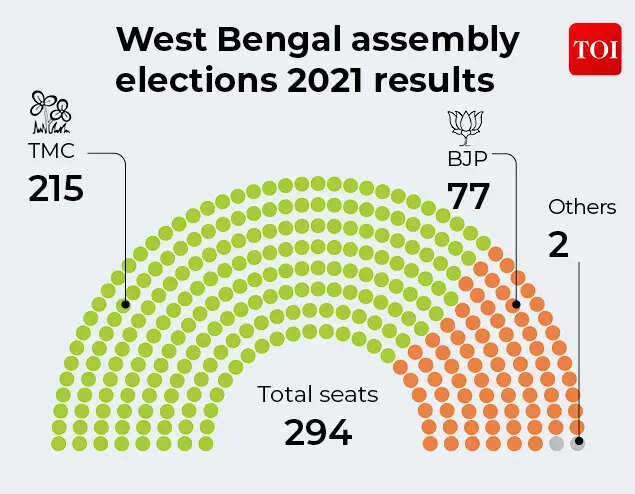
For the BJP, the 2026 election is as much about short-term results as it is about long-term trajectory. The party has achieved national dominance, but its landscape remains patchy. The Hindi heartland and parts of the west were firmly in its hands, while the south and east continued to resist.This election is a test of whether that resistance has waned.In West Bengal, the BJP is no longer an outsider. Its rise from fringe to formidable challenger in 2021 – when it won 77 seats and more than 38% of the vote share – marked a tectonic shift. The question now is whether this growth can translate into strength, or at least vote share, pushing it into the mid-40s.
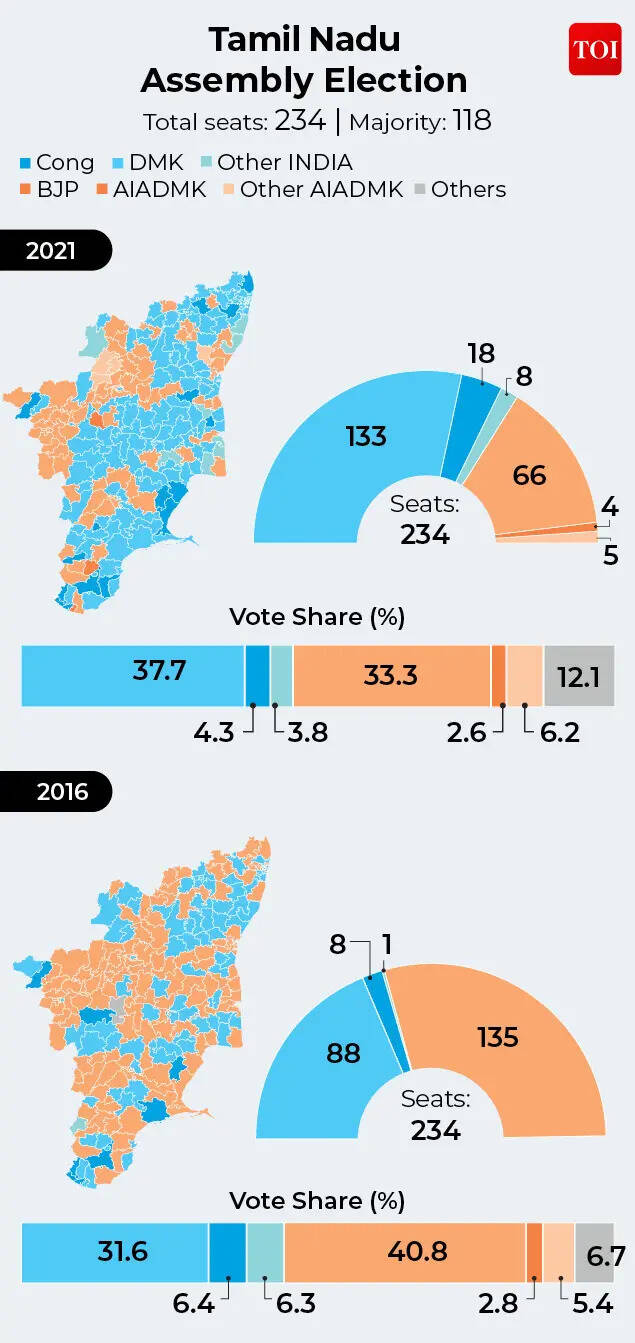
In Tamil Nadu, the challenges are different. The BJP remains a minor player but has been trying to expand gradually. Even incremental gains – a higher vote share or a stronger parliamentary presence – will be politically significant by shattering the notion of the state’s indestructibility.Assam is a test of integration. The Bharatiya Janata Party is the current leader here. If it improves its independent performance, this would suggest that it is moving beyond alliance dependence toward deeper dominance.Across these states, the BJP faces a central question: Can it translate national strength into a unified regional presence, or is it approaching its natural ceiling in culturally distinct regions?
congress and its battle for relevance
If the BJP’s problem is about expansion, the Congress faces a more fundamental problem: relevance.The party remains a key player but is no longer the default opposition. Instead, it operates in a fragmented environment, often as part of a coalition rather than as a central force.In Kerala, it remains a major contender. A win would reaffirm its ability to compete on its own. Failure would undermine its status as a national alternative, especially in the South.
In Assam, it is challenging the entrenched Bharatiya Janata Party but faces the complexities of a multi-corner contest where divided votes threaten to weaken its influence.In Tamil Nadu, it is the junior partner dependent on the DMK. In West Bengal it has gone it alone but remains a fringe force.The fundamental question is clear: Can the Congress re-establish itself as a major force in key states, or will it remain an important but minor player in the alliance?
Regional strongholds under pressure
While national parties dominate the narrative, these elections are equally about the resilience of regional forces.
In West Bengal, the Mamata Banerjee-led Trinamool Congress defended not just the government but a political model based on welfare, identity and leadership. The scale of victory in 2021 established dominance, but the rise of the BJP means that dominance is now under pressure. Even reducing the majority could have consequences beyond the numbers.For Banerjee, the final stretch of the campaign reflects a leader fighting not just for an election but for a narrative. In the final days after polls, Banerjee shifted her focus from large rallies to hyper-local mobilization, focusing on booth-level management and direct voter contact. The post-poll hours have become increasingly granular – with the chief minister reviewing feedback from constituencies, marking sensitive polling stations and pushing cadres to ensure turnout among core support groups. Her visits to the vault and repeated public warnings about electoral vigilance reinforced this approach, suggesting a strategy focused as much on winning votes as on protecting them.
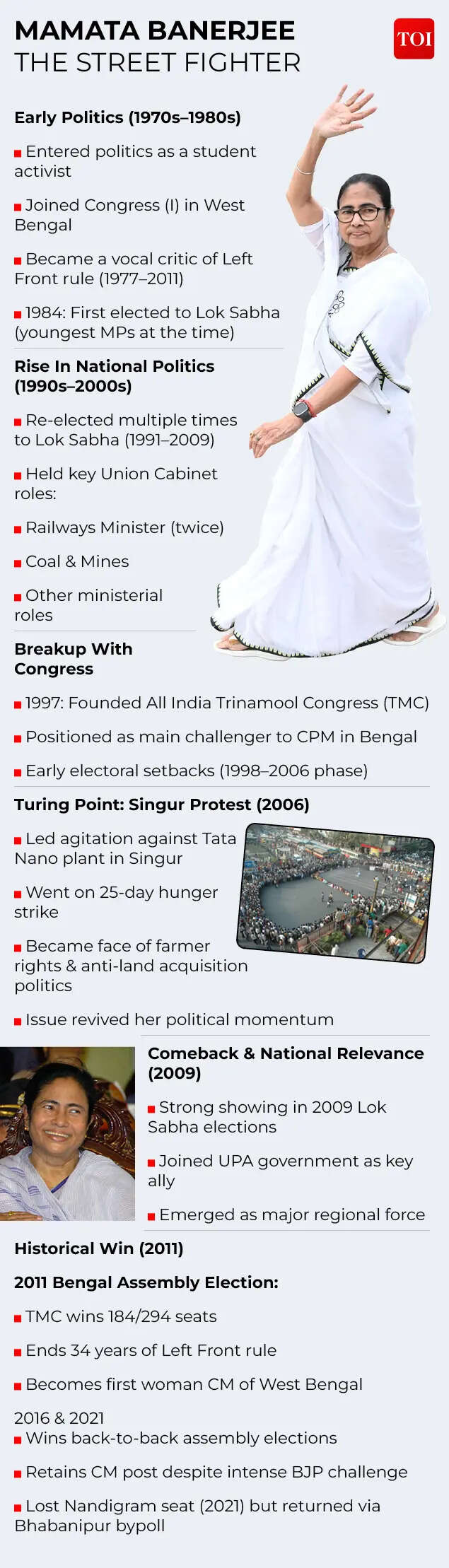
The campaign message has also become sharper this time around: from broad welfare claims to more pointed calls around identity, rights and so-called exclusions from electoral lists. By highlighting issues such as extra-intensive revisions and positioning herself as a defender of “the vote,” Banerjee sought to translate organizational strength into electoral security. For the Trinamool Congress, this last-mile push is crucial. In a race where margins are likely to tighten, the effectiveness of booth-level mobilization – ensuring that every identified supporter actually votes – may end up being as important as the broader political narrative.Tamil Nadu is witnessing the destruction of its traditional DMK-AIADMK binary. Tamiraja Vetri Kazhagam (TVK) comes out, led by actor Vijayintroduces unpredictability. Even without a sweep, its vote share could change the outcome in individual districts.In Kerala, the stakes are structural. The Left, led by Pinarayi Vijayan, is seeking a rare third consecutive term. For Congress, stopping this behavior is critical to its political significance.Assam represents a transformed system, dominated by the BJP, and the question is whether opposition forces can regroup.Across states, a common thread emerges: regional parties remain strong, but they operate under pressure from state expansion and shifting voter behavior.
moments before sentencing
By this time tomorrow, the numbers will begin to settle. The government will begin to take shape. The winners and losers will be clear.But the deeper story will lie beneath the results.If the BJP expands, it will strengthen its dominance in the country. A win for regional parties would signal the resilience of India’s federal diversity. A Congressional win would hint at an economic recovery. If new entrants like TVK can make an impact, it shows their interest in disruption.What’s unique about this electoral moment is that on the eve of vote counting, all of these possibilities are still open.That’s why this election feels like it means something — not because of any single outcome, but because of what the combination of outcomes means.As vote counting begins on May 4, one question will linger beyond the trends:Is India moving towards a more centralized political order, or will its regional diversity continue to define its democracy?The answers will emerge seat by seat.