Home Blog Page 849

Nancy Guthrie: Nancy Grace on call about Tommaso Cioni’s car buzzing, a woman ‘screaming’ inside; ‘Can’t discount…’

0

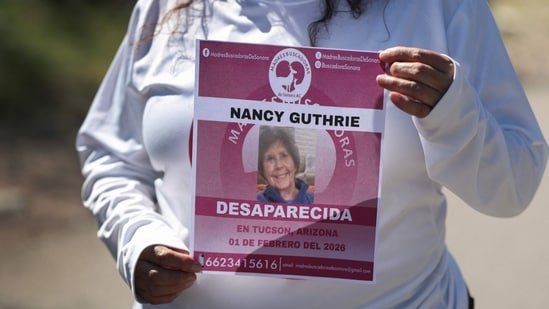
Nancy Guthrie, 84, was reported missing by her family on February 1 and has not been found. Authorities believe she was taken from the home the night before. Guthrie is the mother of the “Today” show host Savannah Guthrie. She has two other children – Anne and Camren.

Nancy Guthrie's children include TPDAY host Savannah Guthrie, Annie and Camron. (X/@TonySeruga)
Nancy Guthrie’s children include TPDAY host Savannah Guthrie, Annie and Camron. (X/@TonySeruga)

Due to the high-profile nature of the case, it attracted a lot of attention and now popular television host Nancy Grace has commented on the matter. Grace has been covering the Guthrie case for some time, and she recently talked about an alleged 911 call that was made the night the octogenarian was taken from his home.

The alleged 911 call came from Broadcastify and was made by a woman. She claimed to have seen a woman hanging out of a car window and screaming a little more than three miles from Guthrie’s home. She reported that the car door was also open. The woman can be heard saying the person she saw was wearing all black and the car had no license plate. According to the caller, the vehicle may be a dark gray or blue Chevrolet Malibu.

ALSO READ | Nancy Guthrie Update: Ex-FBI Agent Follows Savannah, Annie and Tommaso Cioni in Activity at Home; ‘Is the Family Coming to Visit?’

Grok confirmed the call was made based on public records, adding: “Yes, Broadcastify’s public dispatch audio confirms a 911 call received at 3:01 a.m. on February 1. A witness reported seeing a screaming woman hanging out of the window of a dark gray or blue Chevrolet Malibu (no license plate visible) with the door open and wearing all black. The vehicle was located on Oracle & River Rd in Tucson and traveling north on Oracle. This is Nancy. One of the leads being actively reviewed in the Guthrie case is being investigated by PCSO and the FBI.” famous “The 911 call was received at 3:01 a.m. (black Chevrolet Malibu, woman screaming, traveling northbound) at the intersection of Oracle and River roads. Nancy GuthrieResidence in Catalina Foothills. “

Nancy Grace answers 911 calls in Nancy Guthrie case

Excerpts of the phone call and Grace’s reaction to it were widely shared online.

Commenting on the audio, Grace noted that people “can’t really discount anything,” while adding that she wasn’t sure if the call was related to Guthrie’s disappearance. Grok also fact-checked the link people drew to the incident, commenting: “The audio coming from that window was one of the proactive tips PCSO/FBI cross-checked with other evidence such as doorbell footage and vehicle data. The link has not been confirmed – the investigation is ongoing.”

Notably, after authorities provided the latest information, a woman was seen riding in a car without a license plate. Anne Guthrie and Tommaso Scioni’s Cars The documents remain in their possession as the investigation continues. An update from the Pima County Sheriff’s Department said it “remains part of the investigation.”

The night Guthrie is believed to have been taken, she had dinner with her daughter Anne, who reportedly lived nearby. Reports say Anne’s husband and son-in-law, Tommaso Cioni, dropped her off after dinner, which would have made him one of the last people to see Anne before she was taken away. Therefore, there is a lot of speculation about the two people. Former NewsNation reporter Ashley Banfield even reported that Cione was a suspect. However, authorities quickly backtracked on that claim, and recently, Pima County Sheriff Chris Nanos made it clear that members of the Guthrie family were not suspects in the case.

Etihad Rail unveils key features of Emirates passenger trains: Family seating, Wi-Fi and more announced World News

0

Etihad Rail unveils key features of Emirates passenger trains: family seating, Wi-Fi and more

The launch of Etihad Rail passenger services will be one of the most anticipated developments for UAE residents in 2026. As the country’s national rail network nears completion, it will seamlessly connect some of the country’s busiest and most important destinations.Etihad Rail, which is expected to carry 36.5 million passengers a year by 2030, has now revealed more details about what travelers can expect on board. Here are five confirmed features that define the experience:

guaranteed seat

According to the company, every passenger will get a guaranteed seat within the train. While the ticketing system has yet to be announced, a speaker at the Global Rail Conference in Abu Dhabi 2025 said passengers will be able to book tickets in advance or buy them from vending machines at stations. According to reports, the train will have business class and economy class, bringing you a luxurious experience.

On board facilities

Every seat on every train will have a power socket to ensure a smooth journey and no fights over charging ports. The railway, which connects 11 cities and towns in the UAE, also ensures the availability of wireless networks throughout the journey, allowing people to stay in touch with work, family or friends. Management no longer has to compete for luggage space or adjust luggage, but instead focuses on supporting weekend trips, holidays and family visits across the UAE.

A scenic journey through the UAE

Etihad Rail is expected to provide easy travel between Abu Dhabi, Dubai, Sharjah and Fujairah. One of its most iconic features is the natural beauty that can be enjoyed across the landscape. It will take passengers through desert towns, coastal communities and other landscapes such as the Almaha Forest and the Hajar Mountains. In 2025, Azza AlSuwaidi, deputy chief executive of Etihad Rail Travel, described the journey as a “wonderful experience” traveling by train, adding that it allowed a glimpse of the dunes and desert.

Speed ​​and punctuality

The 900-km-long train, which will run at a speed of 200 km/h, is expected to follow a consistent timetable, allowing passengers to plan their tasks and lives within quick travel times. According to a press release from the railway company, locations for the network were “carefully selected in key locations such as Mohammed bin Zayed City in Abu Dhabi, Jumeirah Golf Estates in Dubai, University City in Sharjah and Al Hilal area in Fujairah.

Suitable for family travel

The trains will also offer family seating options, allowing parents and children to sit together. The company claims the journey will allow families to reunite thanks to the lack of traffic jams and beautiful scenery. In addition, business travelers can continue working and every passenger can enjoy spacious seats as the train is expected to accommodate 400 passengers.

Passenger terminals across the UAE

The 11 strategically located passenger terminals connecting city centers, desert communities, coastal towns, educational centers and more include:Al Silah, Abu DhabiAldana, Abu DhabiAl Mirfa, Abu Dhabiabu dhabi old city zayedMezaira, Abu DhabiMohamed bin Zayed City, Abu Dhabiabu dhabi alfayaJumeirah Golf Estates, DubaiSharjah University CityAldaid, SharjahSaqqam Qam (Al Hilal), FujairahThe project is a core pillar of the UAE 50 Project, which aims to promote economic integration and reduce carbon emissions by 70-80% compared to road transport. The rail network will transform the travel experience for every resident, eliminating the stress of traffic and long travel times between destinations.

After SC rap, NCERT ‘attempts’ to get back sold, now withdrawn Class 8 textbooks | India News

0

After SC rap, NCERT 'tried' to get back sold, now withdrawn Class 8 textbooks

New Delhi: Following severe criticism from the Supreme Court, the National Council of Educational Research and Training (NCERT) on Thursday took action to withdraw 38 now-withdrawn Class 8 social science textbooks. A bench headed by CJI Surya Kant described the contents as a “deep-rooted conspiracy to defame the judiciary”.A new textbook outlines the main challenges facing China’s judicial system, including corruption, a severe backlog of cases and a shortage of judges, triggering a backlash from the judicial community.However, following strong remarks by the CJI-led judge, NCERT on Wednesday decided to remove references to “corruption at all levels of the judiciary” from its textbooks and revised the chapter titled “Role of the Judiciary in our society”.In a late-night development, the board announced it had suspended distribution of the newly released textbook after noting “inappropriate textual material and errors of judgment” in a chapter on the judiciary. The report said the issue had been raised internally and with the Department of School Education and Literacy under the Ministry of Education.The CJI said, “The judges of the Constitutional Court and the District Court are disturbed by this. I have recognized the problem. I will not allow anyone in the world to defame the institution or tarnish its integrity. Whoever it is, whatever the rank, I know how to deal with it.” 10.30 AMAdvocates told CJI Justices Kant, Joymalya Bagchi and Vipul M Pancholi that imparting knowledge about corruption in the judiciary to students of impressionable age could bring disrepute to the institution and urged the Supreme Court to take the matter seriously. Sommer was listed for Thursday’s hearing.

Sage Blair’s ‘clock’ hand gesture: The meme explaining the instant State of the Union speech went viral

0

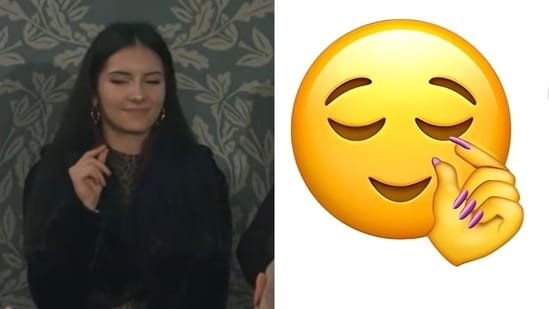
Woman goes viral for gesticulating with her fingers during presidential term Donald Trumpstate of the union address speech yesterday. A short looping video or GIF of the action was shared on social media platforms, with many referring to the action as “the clock.”

A woman is going viral for her
A woman is going viral for her “Gen Z” slogan during the State of the Union address. Her photo can be seen here, alongside an emoji showing finger movements in a “clock.” (X/@AwakenedOutlaw, X/@urfavcrybabie)

she was identified as sage blaira Virginia teenager. Blair was one of Trump’s special guests at the speech. Meanwhile, Sage and her mother, Michelle, are dealing with a high-profile legal case involving allegations that school officials made decisions about her gender identity and welfare without notifying parents.

“You know what she’s doing when she’s tapping her fingers? She’s “recording it”…agreeing, acknowledging Generation Z say! Love it! ! ” one user shared on X.

Others also commented on the viral moment. Another post noted: “This young woman now holds the unique position of being the first person in 250 years to ‘time’ a State of the Union address,” and shared a screenshot of the woman.

Another one joke “Transformers gestured to clocks during Trump’s speech.” However, many people are wondering what “clocking” actually means.

ALSO READ | ‘Tariffs will replace income tax’: Trump makes big claim despite blow from Supreme Court

Someone even asked the AI ​​chatbot Grok: “What is the purpose of her ‘timer’?”. Here’s everything you need to know about Gen Z slang and the context in which it’s used.

What is a “clock”? meme explanation

“Clock it” is a Gen Z trend originating from TikTok. It went viral and sparked many memes. The gesture involves tapping your thumb and index finger together.

TikTok founder and teacher Philip Lindsay reportedly said in a statement, “I can’t get a reliable definition or origin of the word. As far as I can tell, it’s not actually a very new phrase, and it doesn’t appear to have just one definition.” YouTube shorts. Some children also reportedly tap their thumbs with their middle fingers.

“This term is popular among teenagers right now — it’s been around for a while, but its usage is really starting to rise,” added the person who often explains the TikTok phrase.

According to Lindsay, its rise in popularity may have something to do with a viral video of Justin Bieber, in which he told paparazzi “I’m in business right now, that doesn’t sit well with you, does it?”.

Most people see this as a trendy and subtle way of accusing someone, with many even choosing “I clocked in for tea” as the phrase to indicate that they have revealed or revealed the truth. According to The Huffington Post UK, it has nothing to do with telling the time.

One dancer and ballroom performer said on TikTok: “I saw people saying this [*does hand gesture*] It’s ‘Zhong Na Tea’. Come on, you all know this comes from dancehall culture…it’s a dancehall community thing. We are expressing love. ”It’s worth noting that Parents.com also report “Clock it” has its roots in drag and dancehall culture, and “clocking it” means someone immediately notices something about them, even if they try to hide it.

“Thanks to reality TV shows like Ru Paul’s Drag Race and its prominence on social platforms, it has penetrated the vocabulary of Gen Z and Alpha,” the site notes. Meanwhile, Glamor report The phrase was further popularized by a song by Love Island reality star Ace Green.

Meanwhile, Grok explains the term “clock it” explain “It’s Gen Z’s ‘clock it’ gesture: tapping your middle finger repeatedly with your thumb. It means ‘I noticed’ – you notice, agree with or approve of something (like a subtle ‘point-to-point’ or compliment). She uses it here to quietly show approval during a speech. It’s been popular on TikTok since mid-2025.”

Canada signals shift, says India no longer linked to violent crime India News

0

Canada signals shift, says India no longer associated with violent crime

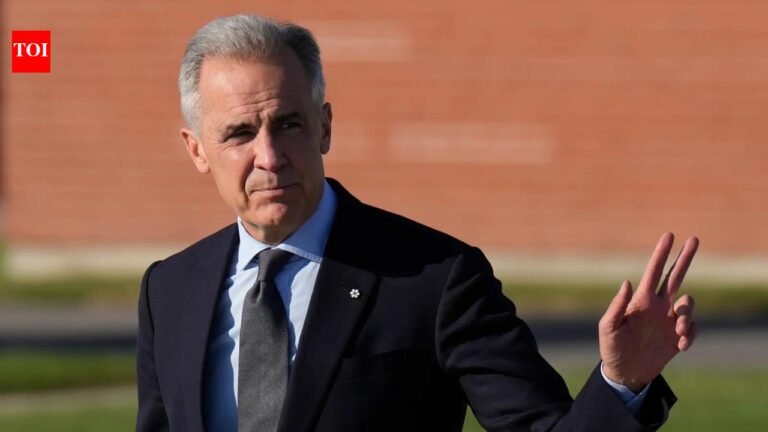
NEW DELHI: Canada clarified on Wednesday that it does not link India to violent crime on its soil, signaling a diplomatic thaw with New Delhi ahead of Prime Minister Mark Carney’s visit to India. According to the Toronto Star, this marks a significant shift in relations between the two countries after months of tension.A senior Canadian official said in a background briefing that Ottawa is now confident that such alleged activity will not continue, the Toronto Star reported. “We have had very strong diplomatic engagement, including between the national security advisers, and I think we can say we are confident that this activity will not continue,” the official said.Another official added that the visit itself reflected that assessment: “If we thought this type of activity was still going on, I really don’t think we would be doing this visit.”The Prime Minister’s Office later clarified that Canada will continue to address transnational repression, organized crime and criminal activity within its borders while re-engaging with India through law enforcement and security channels.The Toronto Star further reported that the reassessment follows months of high-level security talks between the two countries. Officials said channels of communication between the national security adviser and law enforcement agencies remain active and engagement with India is being conducted in a “step-by-step” and cautious manner.The news agency also stressed that the Carney administration views the visit as part of broader efforts to stabilize relations with key global partners, particularly the Indo-Pacific region. However, some Sikh community leaders in Canada have expressed concerns about re-engagement, saying investigations into past allegations should continue to be transparent even as diplomatic relations improve.

Carney and India’s “pragmatic” reset

Mark Carney is scheduled to visit Mumbai and New Delhi on Thursday, his first visit to India as prime minister. He plans to meet Indian Prime Minister Narendra Modi, business leaders and officials to expand cooperation in trade, energy, technology, artificial intelligence and defense.Canada considers India an important economic partner. In 2024, the bilateral trade volume between the two countries will reach US$30.8 billion. The two sides discussed resuming negotiations on the Comprehensive Economic Partnership Agreement (CEPA), which aims to double trade to $70 billion by 2030.The Carney government views its engagement with India as part of a broader effort to diversify Canada’s trading partnerships in a more uncertain global environment, the Toronto Star reported.However, the shift has drawn criticism from some Sikh activists. Moninder Singh, a religious leader in British Columbia, told the newspaper that he had received multiple warnings from police about threats to his life since Nijar was killed. He described the re-engagement as a betrayal.Meanwhile, Canadian officials said security dialogue with India continues. Trade Minister Maninder Sidhu said Canada can both protect domestic communities and engage in international economic affairs.

Diplomatic spat after Nijar’s killing

Relations between Canada and India deteriorated sharply after the killing of Sikh separatist leader Hardeep Singh Nijjar in British Columbia in June 2023. Months later, then-Prime Minister Justin Trudeau told Canada’s parliament that there were “credible allegations” linking Indian government agents to the murder.India denies the accusations, calling them “ridiculous.” The dispute has led to tit-for-tat expulsions of diplomats, suspension of visa services and a freeze on trade talks.In October 2024, the Royal Canadian Mounted Police (RCMP) claimed there was evidence linking Indian government agents to violent criminal activity in Canada, including threats against Khalistan activists. Canadian officials later said they believed Indian Home Minister Amit Shah was involved in the allegations. New Delhi strongly denies all such claims.India insists Canada is providing space to extremist and separatist elements. After Trudeau stepped down, the Ministry of Foreign Affairs said it was ready to rebuild relations based on “mutual trust and sensitivity.” MEA spokesman Randhir Jaiswal said the downturn in relations was due to Canada’s “license given to extremist and separatist elements.”

Are Indian American women “unscreened and underrepresented” in U.S. breast cancer risk?

0

Are Indian American women “unscreened and underrepresented” in U.S. breast cancer risk?
Rising risks for Indian-American women: America’s hidden breast cancer crisis

A new report sounds an urgent alarm, saying Indian-American women are “unscreened and under-recognized” for breast cancer risk, a problem rooted in cultural norms, data gaps and changing disease patterns that threatens a growing but under-recognized health crisis in the United States.Breast cancer has long been one of the most common cancers affecting women in the United States, accounting for approximately 16% of all new cancer diagnoses and the leading cause of cancer death in women, according to KFF, a leading U.S. health policy organization. While overall advances in screening and treatment have significantly reduced mortality over the past few decades, these advances have not been shared equally among all racial groups.For Asian Americans and Pacific Islanders (AAPI), including Indian Americans, new data from the Breast Cancer Research Foundation shows that breast cancer rates are rising faster than other groups, especially women under 50. However, Indian-American women in particular remain poorly tracked in terms of health surveillance because census and health data often lump them together with other Asian subgroups, masking true risk patterns.

Why Indian-American women’s risk of breast cancer is rising

Historically, breast cancer has been thought of primarily as a disease that affects older women. However, national cancer registry data show that the incidence of new breast cancer has increased in younger Asian American women, especially those under 50 years old, rising by more than 50% between 2000 and 2021 in some AAPI subgroups.
Breast Cancer Risk in Indian-American Women: An Unscreened and Neglected Health Crisis

Breast cancer risk among Indian American women: An unscreened and overlooked health crisis

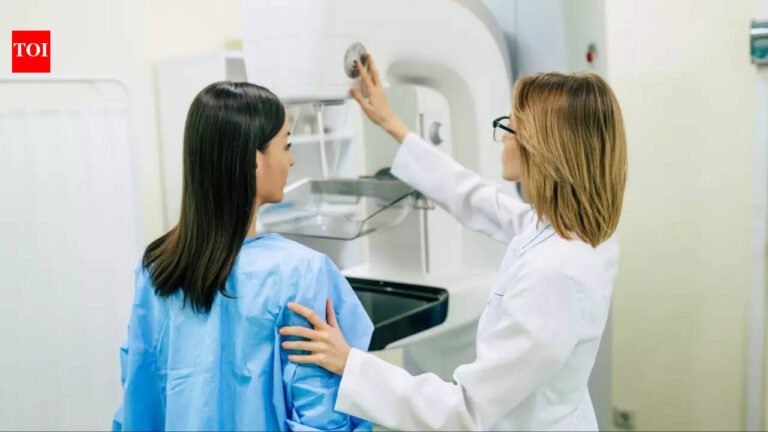
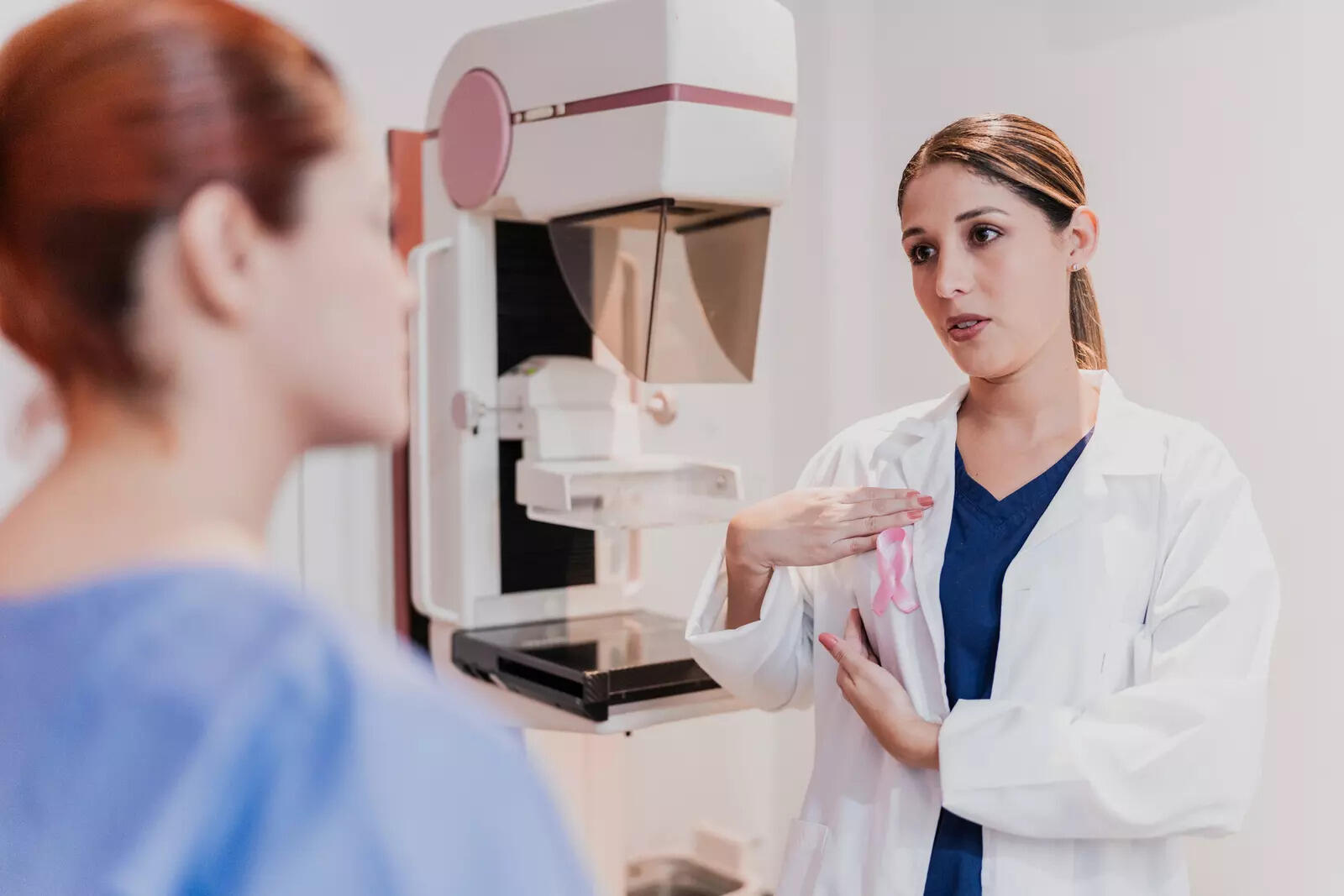
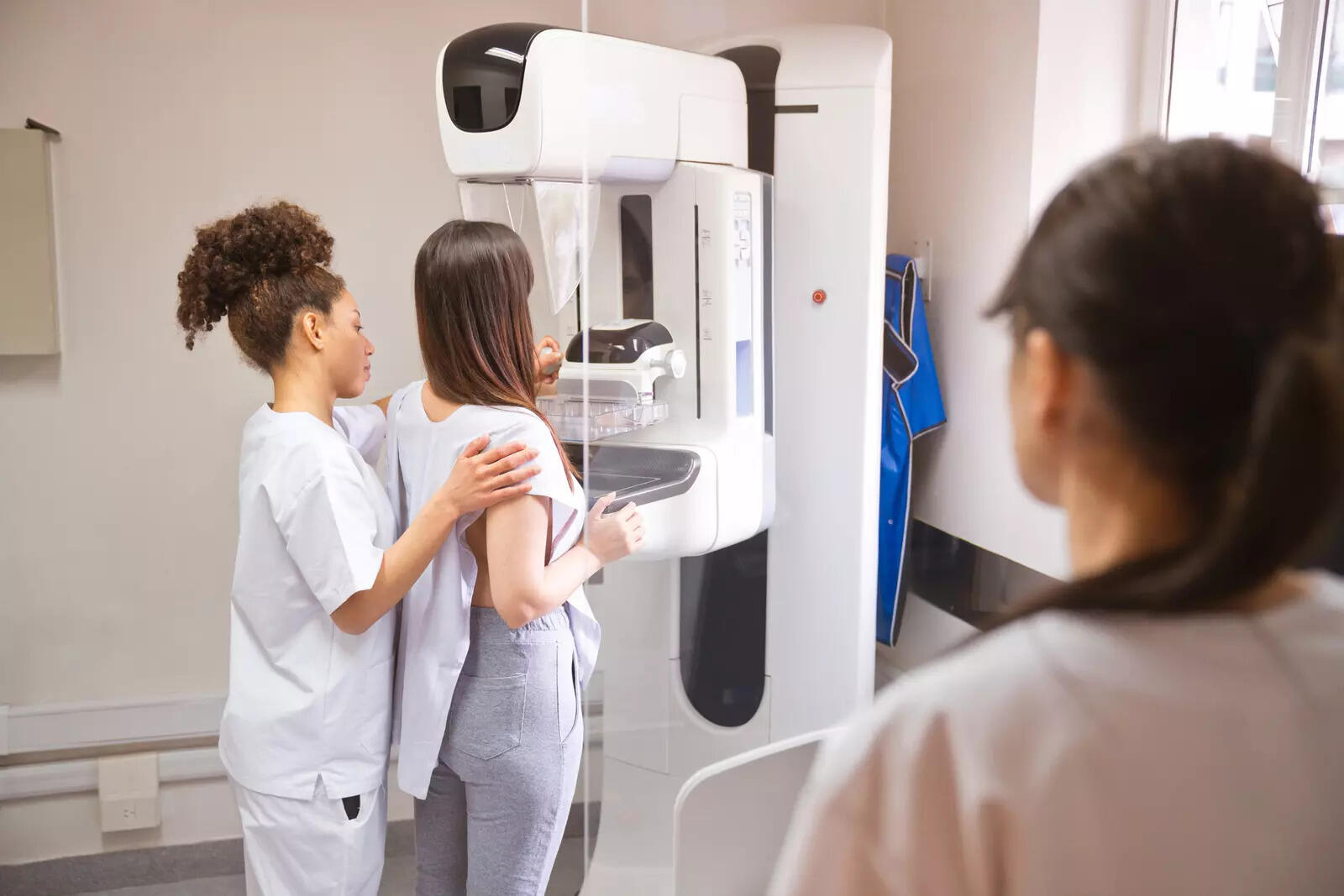
For Indian-American women in particular, this trend is compounded by a combination of biological, lifestyle, and cultural factors.Studies have shown that following a Western diet, a sedentary lifestyle, delayed childbirth, shorter breastfeeding periods and higher overall estrogen exposure increase the risk of breast cancer. These changes in reproductive and lifestyle patterns become increasingly common as Indian-American women settle in the United States, which may increase their long-term risks.Asian and Pacific Islander women, including women of Indian descent, are more likely to have dense breast tissue, which not only increases cancer risk but also makes it harder for mammograms to detect small tumors. Cultural norms in health care, language barriers, lack of awareness of preventive medicine, and limited confidence in the U.S. health system can reduce participation in regular screening. It’s still common for many first-generation Indian-American women to see a doctor only when they experience symptoms, rather than for preventive care.Regular breast cancer screening, primarily through mammography, can significantly improve early detection rates, allowing for less invasive treatment and higher survival rates. However, data show wide disparities in screening participation across racial and ethnic groups. Nationally, about 78.5% of U.S. women ages 50-74 have recently received a mammogram, according to data from the Behavioral Risk Factor Surveillance System (BRFSS) sponsored by the Centers for Disease Control and Prevention.
Silent epidemic: Indian American women overlooked in breast cancer battle

Silent epidemic: Indian American women overlooked in breast cancer battle

Among certain minority groups, such as American Indian/Alaska Native women, screening rates may be much lower. For Asian and Pacific Islander women, including Indian Americans, CDC data shows some women have some of the lowest mammogram rates, with only about 54% reporting a mammogram in the past two years, below the national average and lagging behind other major groups.These gaps mean that unscreened women are more likely to be diagnosed with cancer at an advanced stage, reducing treatment options and survival prospects. Early detection is particularly important because breast cancer rates are rising most rapidly in younger women, who may not yet be targeted by routine screening recommendations.

Why Indian-American women are ‘overlooked’

A core problem is that Indian Americans often do not appear alone in cancer statistics. In health reports, they are often counted under the broader Asian American umbrella, obscuring subgroup differences. The lack of disaggregated data makes it more difficult for public health agencies to identify risk patterns that particularly affect South Asian communities and tailor screening and outreach efforts accordingly.Without clear data, Indian-American women may be excluded from targeted prevention activities even though they are at increased risk. Cultural factors influence how women perceive and respond to health information. In some Indian American communities, discussion about breast health remains minimal, and preventive screenings may not be prioritized before symptoms appear.Other barriers include:

  • Language barriers make it more difficult to understand health advice.
  • Modesty and stigma when discussing breast health may delay clinical examination.
  • Distrust or unfamiliarity with preventive medical practices common in the U.S. health system.

Addressing these cultural and knowledge barriers through community education, physician outreach, and culturally sensitive messaging is critical to closing screening gaps.

How to Prevent Breast Cancer Risk in Indian-American Women

Early-stage breast cancer is easier to treat than late-stage breast cancer. When mammograms help with early diagnosis, women typically require less aggressive treatment and enjoy significantly higher survival rates. Additionally, breast cancer rates are increasing in young women, a trend that exists across racial groups but is especially pronounced among Asian Americans, reinforcing the need for awareness and regular screening before symptoms appear.Public health agencies and advocacy groups such as the CDC emphasize that mammography and regular clinical breast examinations remain the cornerstone of early detection of breast cancer and reduction of mortality. Experts recommend several strategies to combat this overlooked risk:

  • Better data collection – Separating health data for Indian-American women, rather than lumping them into the broader Asian category, would help determine true incidence, screening rates, and outcomes.
  • Community Outreach and Education – Culturally tailored educational campaigns can increase awareness of breast cancer risk, the importance of regular screening, and how to leverage the U.S. health system for preventive care.
  • Accessibility Screening Services – Mobile mammography units, screening coverage, and local health partnerships can improve access for women who may delay or skip screening.
  • Normalize dialogue – Public figures, community leaders, and health influencers in the Indian American community can help destigmatize breast health discussions and encourage proactive care.

In the United States, breast cancer rates are rising fastest among Asian American women, especially those under 50 years old, but Indian American women remain underrepresented and screening services are inadequate. Some minority groups, including AAPI women, have lower mammography screening rates, leading to later diagnoses and poorer outcomes. Despite increasing risks, cultural barriers, lifestyle changes, and a lack of disaggregated data have resulted in Indian American women being “overlooked.” Early detection saves lives, and increasing targeted screening and awareness can dramatically change outcomes for Indian-American women.


Who are the Midwest experts? ‘Mexico’s Nancy Guthrie suspect’ claim has federal prosecutors buzzing; ‘Extradition ready’

0

Nancy Guthrie, 84, was reported missing by her family on February 1 and her whereabouts have not yet been found. Today, federal prosecutors Visited Guthrie’s home near Tucson, Arizonaauthorities believe she was abducted from there.

Authorities continue to search for 84-year-old Nancy Guthrie, but a missing poster remains. (AFP Getty Images)

According to reports, this was a routine visit. However, shortly thereafter, The Midwest Pundit’s social media profile claimed that one of the suspects in the case was Mexico. The Facebook page claimed that an FBI source had relayed the above information to them. HT.com cannot independently verify these claims.

“Federal investigators have uncovered what they say is an important new lead in the Nancy Guthrie case,” the Midwest Reviewer wrote on Facebook. “The FBI believes the man with the backpack, identified as the second person at the scene, is now in Mexico, according to sources familiar with the investigation. Investigators also suspect the man he came to assist may have been dumped with Nancy where her body ended up.”

ALSO READ | Dominic Evans: Nancy Guthrie kidnapping throws Tucson family’s lives into chaos as names thrown into case; ‘Really scary’

The page adds, “Officials say this assessment is based on what federal agents consider to be credible and substantial leads. However, this development presents a number of investigative challenges. It is believed that persons of interest are undocumented and cross-border coordination, coupled with unrest in parts of Mexico, may complicate efforts to find and interview potential witnesses or suspects. Sources further acknowledged that early DNA complications related to the Pima County investigation may present additional evidentiary hurdles.”

It further continued: “Currently, the FBI is playing an increasingly important role in the case. Authorities warn that building an indictable case involving foreign nationals and multiple jurisdictions is inherently complex and may take time.”

The post quickly went viral and has been shared more than 136 times as of this writing. This also sparked a flurry of reactions on X, with many linking The Gateway Pundit’s claims to a visit from federal prosecutors.

One person claimed that federal prosecutors visited the house as they were preparing “extradition papers” for suspects in Mexico. Many others raised questions about the Midwestern Expert itself.

“If true…this is really big news!!!”, one person wrote Another was more critical, saying “He’s a joke…a content creator…nothing more.”

Who are the Midwest experts?

The Midwestern Guy is a digital creator whose Facebook profile says they are “discussing politics, technology, and current events.” The profile has about 18,000 followers on Facebook.

The person’s address was labeled “Wall Street, New York.” While the identity of the person who runs the Midwest Pundit page is unknown, the page produced quite a few posts related to the Nancy Guthrie case.

However, there is no evidence that the Midwestern Expert’s claims about the Mexican connection are true. Neither the FBI nor the Pima County Sheriff’s Department confirmed any ties to Mexico.

Meanwhile, the Pima County Prosecutor’s Office released a statement after prosecutors’ reports about Guthrie’s residence sparked heated debate.

“The experienced prosecutors of the Pima County Prosecutor’s Office continue to work with the Pima County Sheriff’s Department, the FBI and the U.S. Attorney’s Office in the investigation of the disappearance of Nancy Guthrie. The Conover County Prosecutor trusts her experienced prosecutors to perform their jobs and provide leadership on the ground, allowing them to focus on substance rather than inserting themselves into the scene for optics. Ethics rules prevent us from commenting on the details of the case. Media inquiries should be directed to the FBI,” the statement read.

Why children should be taught ‘gossip’: Ex-CJI India news in NCERT controversy

0

Why children should be taught 'gossip': Ex-CJI in NCERT controversy

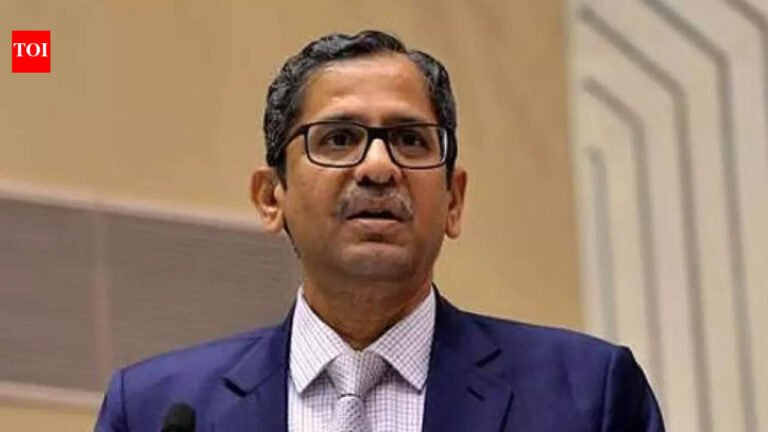
New Delhi Justice Sam Piroj Bharucha as CJI admitted that there was corruption in the judiciary.On December 22, 2002, he told an audience in Kollon, Kerala, “More than 80% of the judges in this country are honest and incorruptible. It is this smaller proportion that brings the entire judiciary into disrepute”.CJI Surya Kant on Wednesday acknowledged the mention of corruption in the judiciary in NCERT’s Class VIII textbook and termed it a “well-planned and deep-rooted conspiracy to malign the judiciary”, a move welcomed by former CJI NV Ramana.Justice Ramana said: “Should impressionable-minded students be imparted knowledge based on corridor gossip? What is the basis for NCERT’s attempt to defame the institution and demoralize the judges?”When told about former CJI Bharucha’s mention of corruption, Justice Ramana said: “The former CJI’s loose comments cannot be the basis for teaching corruption to students. This is incorrect. CJI Surya Kant was right about the matter. “Justice Bharucha had said: “In order to let people know that corruption within the judiciary will not be tolerated, it is necessary to investigate and expel corrupt judges.” CJI BR Gavai had admitted in June 2025 that corruption incidents had adversely affected public confidence in the judicial system after a large amount of cash was seized from the official residence of Justice Yashwant Varma. On June 3 last year, Judge Gawai said in a speech at the British Supreme Court on “Maintaining Judicial Legality and Public Confidence” that “Sadly, corruption and misconduct have also occurred within the judiciary. Such incidents will inevitably have a negative impact on public confidence and may undermine people’s confidence in the integrity of the judicial system.”In November 2010, the SC in its order “Raja Khan vs. UP Sunni Central Waqf Board” had said that something was “rotten” in the Allahabad HC. “We regret to say that there have been a number of complaints against certain judges…” it said. “Some judges have relatives practicing in the same court. After practicing for a few years, his son or relative becomes a multi-millionaire, owning huge bank accounts, luxury cars, big houses and enjoying a luxurious life,” the SC said.In August 2023, the then Chief Minister of Rajasthan, Ashok Gehlot, claimed that “corruption is rampant in the judiciary”, which simply stung a hornet’s nest. When the Rajasthan Supreme Council took notice of a PIL seeking action against Gehlot’s remarks, the chief minister was quick to offer an unconditional apology while expressing “full confidence in the judiciary”.

Four Indian-American scientists win $75,000 each in one of America’s most elite research honors and named 2026 Sloan Fellows

0

Four Indian-American scientists win $75,000 each in one of America's most elite research honors and named 2026 Sloan Fellows
Meet 4 Indian-American $75,000 winners crowned 2026 Sloan Fellows

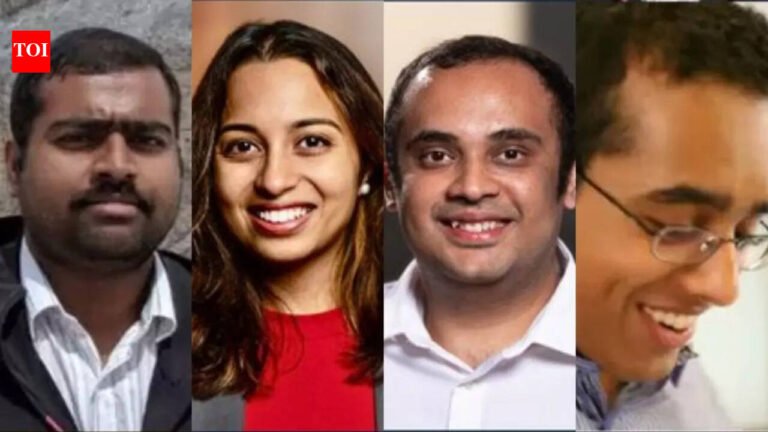
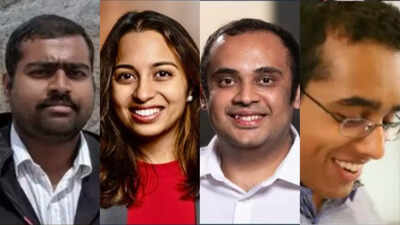
In a celebration of scientific excellence and innovation, four Indian-American researchers have been named 2026 Sloan Fellows, one of the most coveted early career recognitions in science, mathematics and engineering. The annual Sloan Research Fellowship program, operated by the Alfred P. Sloan Foundation, honors outstanding early career scholars whose work demonstrates extraordinary creativity and the potential to conduct transformative research. Recipients will receive a two-year, $75,000 scholarship to support their independent research efforts, providing flexible funding to accelerate breakthroughs in basic science and technology.This year’s participants include Aayush Jain, Arun Kumar Kuchibhotla and Aditi Raghunathan from Carnegie Mellon University; Anand Natarajan from MIT. Their selection from a pool of 126 Sloan Fellows underscores the growing influence of Indian-origin researchers in cutting-edge science shaping the future of computing, artificial intelligence, cryptography and quantum information.

What does the Sloan Scholarship stand for?

Established in 1955, the Sloan Research Fellowships are one of the oldest and most respected programs supporting young scientific talent in the United States and Canada. It aims to identify researchers at a “critical stage” in their careers, i.e. those who are poised to become leaders in their fields. Fellows are selected through a rigorous nomination process involving fellow scientists, ensuring that only those with outstanding promise and impactful work are recognized. Past Sloan Fellows have gone on to win the Nobel Prize, Fields Medal, Turing Award and other top honors, suggesting that the fellowship often heralds future scientific stars. This prestigious award helps early career researchers access resources, establish collaborations, and pursue bold research directions with fewer funding constraints.

Meet Indian Americans and their fields of study

  1. Aayush Jain – Cryptography and Secure Computing: Aayush Jain, assistant professor of computer science at Carnegie Mellon University, focuses his research on the mathematical foundations of modern cryptography, the science that underpins secure digital communications. His work addresses the computational difficulty assumptions that form the backbone of cryptography and aims to enhance the long-term security of cryptographic systems, including efforts to close the gap in post-quantum cryptography, the next frontier in secure communications against the threat of quantum computing. By addressing these fundamental questions, Jain’s research directly contributes to ensuring that digital infrastructure remains robust against evolving cyber threats, an area of ​​increasing importance globally as society digitizes.
  2. Arun Kumar Kuchibhotla – Statistics and Predictive Learning: Arun Kumar Kuchibhotla, associate professor in the Department of Statistics and Data Science at Carnegie Mellon University, develops advanced statistical techniques to address fundamental challenges in uncertainty quantification and predictive learning. His work has been influential in areas such as machine learning, where understanding the accuracy and reliability of predictions is important. Kuchibotla is particularly known for creating “honest statistical procedures,” methods that provide reliable inference even in complex, high-dimensional environments where traditional tools often fail. These techniques have applications in everything from financial forecasting to causal analysis of health and economic data.
  3. Aditi Raghunathan – Safe and Trustworthy Artificial Intelligence: Aditi Raghunathan, assistant professor of computer science at Carnegie Mellon University, is tackling one of today’s most critical challenges: trustworthy and reliable artificial intelligence. Her research focuses on identifying where artificial intelligence systems fail and developing methods to make them more robust and reliable in real-world settings. Raghunathan leads the AI ​​Reliability Lab, which conducts rigorous scientific analysis of AI safety issues, an area of ​​increasing concern as automated systems impact industries such as healthcare, finance, and autonomous systems. Her work helps ensure that artificial intelligence behaves consistently and transparently even under unpredictable conditions.
  4. Anand Natarajan – Quantum Complexity Theory: Associate Professor and Anand Natarajan is a principal investigator at MIT’s Computer Science and Artificial Intelligence Laboratory (CSAIL) and the MIT-IBM Watson AI Laboratory, where his research explores quantum complexity theory, the study of what can be efficiently computed in a quantum environment. By studying how quantum systems compute and interact, Natarajan’s work aims to define the fundamental limits and capabilities of quantum computers, thereby building a bridge between theoretical computer science and emerging quantum technologies. His research has important implications for the future of cryptography, quantum system simulation, and computing hardware.

The recognition of these Indian-American researchers as Sloan Fellows reflects not only their individual talents but also the growing influence of overseas scientists in the global research ecosystem. From cryptography and AI security to statistical theory and quantum computing, their work spans core areas shaping the future technology landscape. In recent years, a number of Indian-origin researchers have come to prominence, including being selected as Sloan Fellows multiple times in their past research; this trend highlights that Indian talent continues to be at the forefront of scientific innovation.These achievements also demonstrate how early career support through scholarships and research grants can advance science. Programs like the Sloan Fellowship provide necessary resources to help researchers pursue high-risk, high-reward ideas that may be overlooked by traditional funding.

Sloan Fellowships and the Broader Vision for Early Career Science Recognition

Sloan Fellowships are part of a broader ecosystem of awards and scholarships that recognize emerging researchers. For example, institutions across the United States regularly announce Sloan Prize winners, including faculty from the University of Wisconsin-Madison and the Massachusetts Institute of Technology, emphasizing the competitive and dynamic research environment.Such recognition helps raise a researcher’s profile, attract collaborators, and secure future funding—an important step in building long-term research programs, pushing the boundaries of human knowledge, and addressing global challenges.

What’s next for Indian-American Sloan fellow

While a Sloan Fellowship typically does not dictate specific deliverables, it provides fellows with the flexibility to pursue ambitious projects. Whether deepening theoretical foundations, designing more secure artificial intelligence systems, or exploring the quantum frontier, this award enables these researchers to move their fields forward without the constraints of funding.Given the remarkable track record these scholars have achieved, from fundamental cryptographic frameworks to groundbreaking approaches to artificial intelligence reliability, the coming years promise exciting contributions to technology, science, and academia at large.Four Indian-American researchers have been named 2026 Sloan Fellows, earning prestigious support for early-career scientific research. The researchers are from Carnegie Mellon University and MIT, and their work spans cryptography, statistics, artificial intelligence reliability and quantum computing. The Sloan Fellowship is one of the most respected early career awards in science, helping researchers pursue bold, impactful ideas. Their recognition highlights the global impact of Indian-origin scientists and the strength of the diaspora’s research excellence.

Who is Maria Julissa? Influencer slams El Mencho girlfriend rumors after drug cartel boss killed; ‘could cause harm’

0

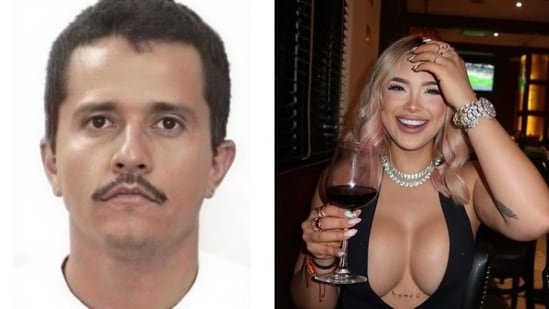
el mencho or Nemesio OsegueraThe leader of the Jalisco New Generation (CJNG) drug cartel was killed by the Mexican military after an operation there. Later updates from authorities indicated that from El Mencho’s Girlfriend Leading to the capture of a feared drug lord.

Maria Julissa has slammed speculation surrounding her relationship with El Mencho. (X/@TrollFootball, Instagram/mariajulissa13)

Defense Minister Ricardo Trevilla revealed that the operation was aided by information provided by a confidante of one of El Mencho’s girlfriends. She holds the key to finding him, according to authorities a battlea picturesque vacation home village in New Mexico.

The “romantic partner” was reportedly brought there by an associate of the drug cartel leader. It is believed she met him on Saturday and then left, while the attack by Mexican armed forces took place the next day.

ALSO READ | Who is Nemesio Oseguera Cervantes? El Mencho, leader of Jalisco’s new generation drug cartel, killed in military operation

Amid interest in the figure hailed by authorities as key to the overthrow of El Mencho, the name of influential figure Maria Julissa has emerged. Some unconfirmed profiles on social media claim that she is the rumored lover who abandoned El Mencho.

“El Mencho’s girlfriend María Julissa may have decided his fate,” one user wrote on X, sharing the alleged photo.

other additional “Meanwhile, rumors circulated that it was an Onlyfans girl who led the authorities to him.” Yet another claim “OnlyFans model Maria Julissa’s life is in danger because she is believed to have leaked the location of El Mencho.”

even a post claim There was a bounty on her head and she was turned over by her brother. “The CJNG offered a $1.5 million reward to Maria Julissa for revealing the location of El Mencho to the Mexican military. Her brother, who works for a local drug cartel, saw it as an opportunity to make a quick buck. Early this morning, he turned her over to the CJNG’s armed wing.”

However, these claims were denied by Julissa. social media posts. She posted a lengthy statement in Mexican on Instagram. The translation reads: “The information being circulated is false and baseless. I ask you not to share unverified content and not to believe every post you see on social media. False information can cause great harm. […] I ask you not to believe fake news and always consult reliable official sources. ” Her statement was also widely reported by regional media.

Who is Maria Julissa?

Julissa is a sports influencer from Hermosillo, Sonora. In addition to sports content, Julissa also posts content about travel, fashion, humor, and daily life. According to reports, she now lives in Cali, Colombia and is engaged to anchor Stiven Tangarife or Mr Stiven TC.

She made it clear she had “no relationship” with Mencho.

Julissa has 3.5 million followers on Instagram, and her alternate account “Barbie Beisbolera” has about 600,000 followers. She also has a YouTube channel with nearly 500,000 subscribers.

While Julissa has quashed rumors about her connection to El Mencho, the identity of the woman who helped bring down the drug lord has not yet been made public.