
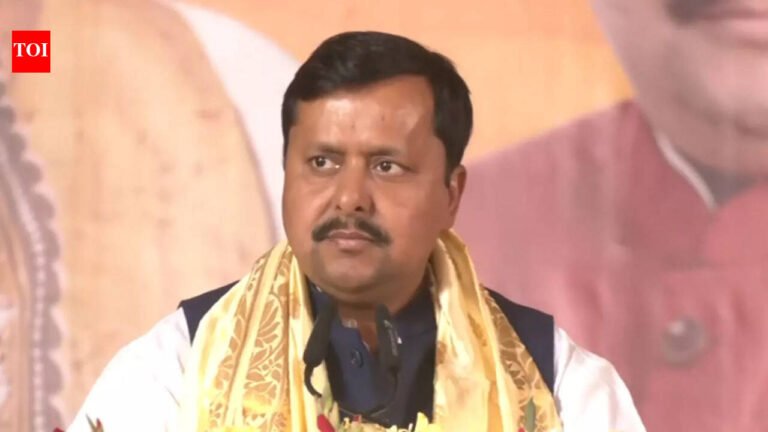
New Delhi: The Bharatiya Janata Party on Tuesday announced its national president Nitin Nabin as its candidate from Bihar for the upcoming biennial elections to the Lok Sabha.Nabin, who hails from Bihar, took over the party chiefship from Union Minister JP Nadda in January. The BJP has also fielded former MP Shivash Kumar as its candidate in the state. Their names appear on the party’s first list, which also includes seven other candidates from five other states.In Assam, the nominees are Terash Gowalla and Jogen Mohan, while Laxmi Verma is from Chhattisgarh. The candidate in Haryana is Sanjay Bhatia. Odisha will elect Manmohan Samar and Surjit Kumar, while Rahul Sinha from West Bengal will be elected to the upper house.Bihar BJP chief Sanjay Sarangi said all candidates representing the ruling National Democratic Alliance (NDA) led by the party in the state will file their nominations on Thursday.The Lok Sabha elections scheduled for March 16 will fill 37 seats in 10 states including Maharashtra, Odisha, Tamil Nadu, West Bengal, Assam, Bihar, Chhattisgarh, Haryana, Himachal Pradesh and Telangana, whose members’ terms will end in April 2026.The election process officially begins with notification on February 26, and the deadline for submitting nominations is Thursday. Candidates have until March 9 to withdraw their nominations.(With ANI input)
Meet Masih Alinejad: The anti-hijab activist who survived an Iranian hit squad and is now celebrating Khamenei’s death | World News
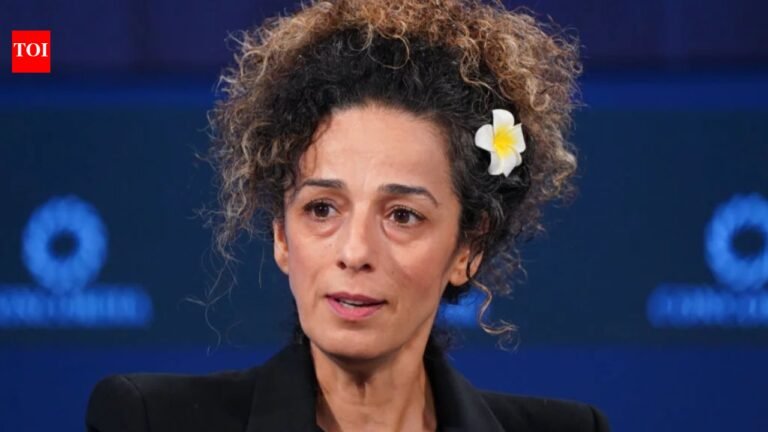
Masih Alinejad is making headlines again after posting a touching video reacting to the death of Iran’s Supreme Leader Ali Khamenei. “Finally, you die, finally, you go, Ali Khamenei,” she said, her voice cracking. In the same clip, she was seen hugging strangers in New York. For Erin Judd, these hugs weren’t dramatic. As she later explained, these were behaviors undertaken to survive.Responding to a comment about “hugging strangers,” she wrote that when you live in exile and can’t safely hug your own mother, strangers stop feeling like strangers. People she hugged saw joy and sadness in her face, she said. “This is not performance. This is survival.” She added that the United States saved her life three times and that the people around her have become her new family. For Alinejad, developments in Iran were never abstract political events. They are intimate, personal calculations. She wrote that survivors did not mourn when what she called the horror collapsed. They breathe. For many in Iran, Syria, Iraq and across the Middle East, moments like this represent responsibility.
Alinejad was born on September 11, 1976 in rural northern Iran. He began his career as a journalist in 2001, writing for reformist newspapers such as Hambastegi and Shargh. As a parliamentary reporter in Tehran, she reported on corruption and misconduct among lawmakers, building a reputation for sharp, confrontational reporting.She left Iran after the disputed 2009 presidential election and subsequent protests. She later studied communications at Oxford Brookes University and has lived in New York since 2009, becoming a US citizen in 2019.Erin Judd is known for her opposition to Iran’s mandatory hijab law. In 2014, she launched My Invisible Freedom, which invited women to share photos of themselves without hijab. The campaign attracted more than a million likes and evolved into related movements such as “White Wednesday” and “My Camera is My Weapon.” Through these initiatives, she positions social media as a form of civil resistance.She hosts the “Tablet” program on VOA’s Persian service and has contributed to outlets such as Iran News Agency, Farda Radio and the New York Times. In 2021, she co-founded the World Congress for Freedom. After the death of Mahsa Amini in 2022, she became one of the prominent figures supporting the Women, Life, and Freedom movement. In January 2026, she gave a speech at the United Nations, accusing Iran of committing war crimes.Alinejad married Kambiz Forouzandeh in 2014. Her memoir, The Wind in My Hair, was published in 2018 and became a bestseller. She has received numerous honors over the years, including the 2015 Geneva Summit Award, the 2022 Moral Courage Award, and the 2023 Time Magazine Woman of the Year Award. The New York Times once described her as “the woman whose hair scares Iran.”From her early reporting days in Tehran to her life in exile in New York, Masih Alinejad’s career has been characterized by defying power and advocating for women’s rights. To her supporters, she is a symbol of defiance. For the Iranian nation, she remains a rival abroad.
From ‘lifestyle’ to precision strikes: Israel and the US secret build-up to assassinate Khamenei
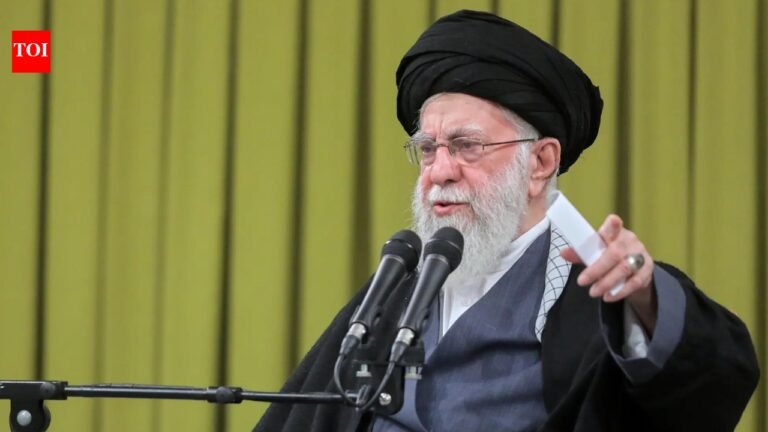
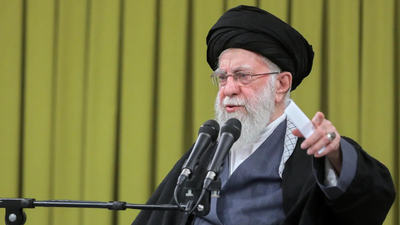
For years, Israeli intelligence quietly tracked the movements of Iran’s most powerful man, Ayatollah Ali Khamenei.Now, in one of the most dramatic military actions in recent history, Iran’s supreme leader for more than three decades has been killed in a coordinated U.S.-Israeli strike. According to the Financial Times, the mission is ambitious and long in the making, built on years of patient monitoring, data collection and political calculations.
watch Tehran camera by camera
When bodyguards and drivers for top Iranian officials arrived for work near Tehran’s Pasteur Street, where Khamenei was killed in an Israeli airstrike on Saturday, they were likely unaware they were being watched.According to the Financial Times, almost all traffic cameras in Tehran were hacked years ago. Their information was allegedly encrypted and transmitted to servers in Tel Aviv and southern Israel, according to people familiar with the matter.One camera angle proved particularly valuable. It shows where security personnel park private cars and provides insight into daily life inside the heavily guarded compound.Over time, complex algorithms build detailed profiles, or what intelligence officials call “patterns of life.” The files include home addresses, duty hours, commute routes and, most importantly, which officers each guard is assigned to protect.This is just a stream of information. There are hundreds more.
Interruption of communications before strike
Israeli and US intelligence agencies also reportedly penetrated mobile phone networks near Pasteur Street. At critical moments, some phone towers were disrupted, making equipment appear busy and preventing protection teams from receiving possible warnings.Even before the bombs were dropped, Israeli intelligence had developed a near-complete familiarity with Tehran, according to one official.
We know Tehran as we know Jerusalem.
israeli intelligence officer
“When you know [a place] Even though you know the streets you grew up on, you notice something a little out of place,” the Israeli intelligence official added.This intelligence dominance is the result of more than 8,200 years of work by Israel’s signals intelligence forces, human resources recruited by Mossad, and extensive data analysis by military intelligence teams.Israel also uses social network analysis, a mathematical method that studies patterns of relationships and influence, to sift through billions of data points and identify new targets.“In Israeli intelligence culture, targeting intelligence is the most important tactical issue — it’s designed to achieve strategy,” said Itai Shapira, a brigadier general in the Israeli military reserves and a 25-year veteran of the Israeli intelligence service. “If policymakers decide that someone must be assassinated, the culture in Israel is: ‘We will provide intelligence on the target.'”
This is a political decision, not just a military one
Despite the technological sophistication, officials say assassinating Khamenei is ultimately a political choice.
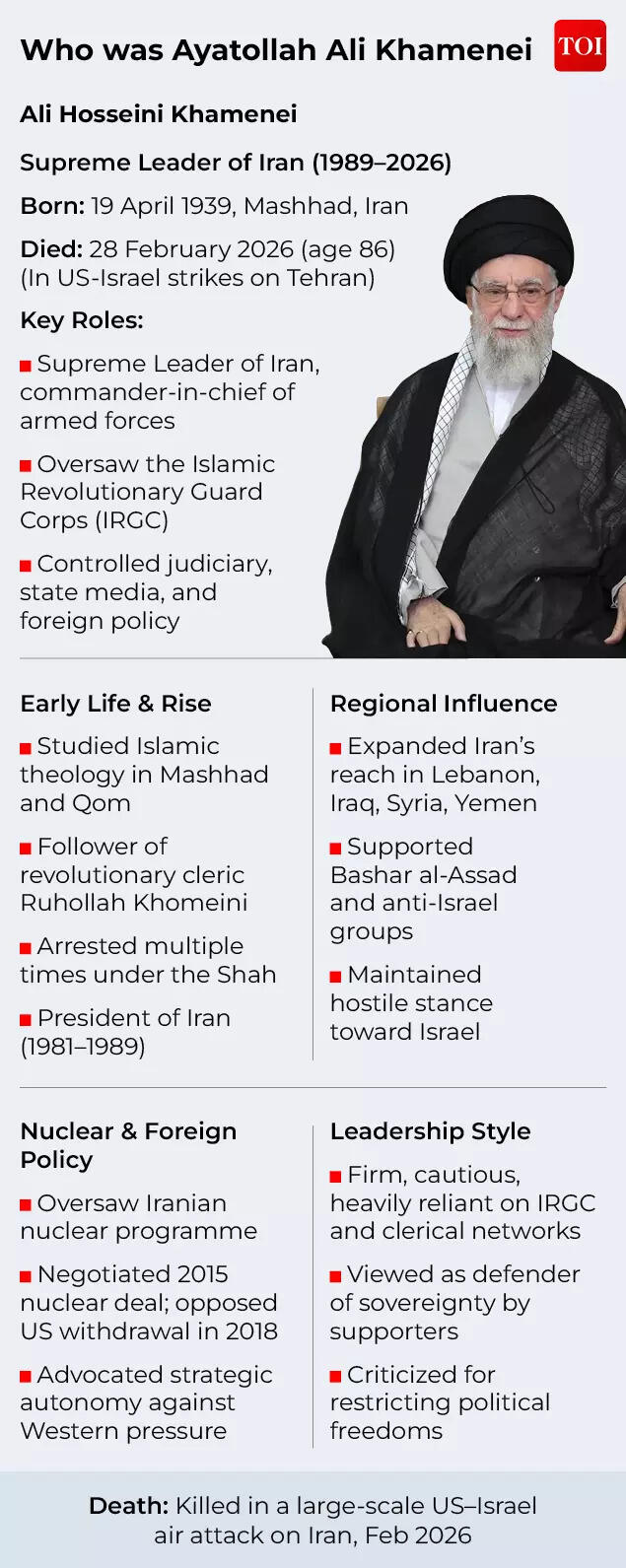
For years, Israel avoided directly targeting him. During the 12-day war last June, Israeli air strikes killed more than a dozen Iranian nuclear scientists and senior military officials and paralyzed the air defense system. But Khamenei was not attacked.This time is different.When U.S. and Israeli intelligence determined that Khamenei would hold a Saturday morning meeting at his residence, they saw a rare opportunity. Senior Iranian officials will gather in one place. If war begins in earnest, they may be moved to underground bunkers out of reach of Israel.One source told the Financial Times: “It’s unusual that he wasn’t in his bunker – he had two bunkers – and if he had been, Israel wouldn’t have been able to attack him with the bombs they have.”Unlike Khamenei’s ally Hassan Nasrallah, who spent years in hiding before being killed in Beirut in 2024, Khamenei did not live in secrecy. He has spoken publicly about the possibility of being killed and reportedly believed martyrdom was possible.
Still, attacking him in daylight was a calculated move. The Israeli military later said the morning attack resulted in a tactical surprise despite Iran’s preparations.
America’s role
Washington played a key role behind the scenes.While Israel obtained signals intelligence from hacked cameras and mobile networks, the Americans reportedly had a source confirm that the meeting was proceeding as planned. The CIA declined to comment.Israeli doctrine requires two senior military officers to work independently before an attack to confirm the presence of a target. For a high-profile figure like Khamenei, failure is not an option.Israeli warplanes reportedly fired as many as 30 precision munitions after flying for several hours. Some of the missiles used are variants of the Sparrow system, capable of striking targets as small as a dining table from more than 1,000 kilometers away.
How Trump went to war
The decision to upgrade wasn’t made overnight.In early February, Israeli Prime Minister Benjamin Netanyahu Met with US President Donald Trump in the Oval Office. The two countries have been discussing possible military action against Iran for weeks, even as U.S. officials have publicly engaged in nuclear talks with Tehran.
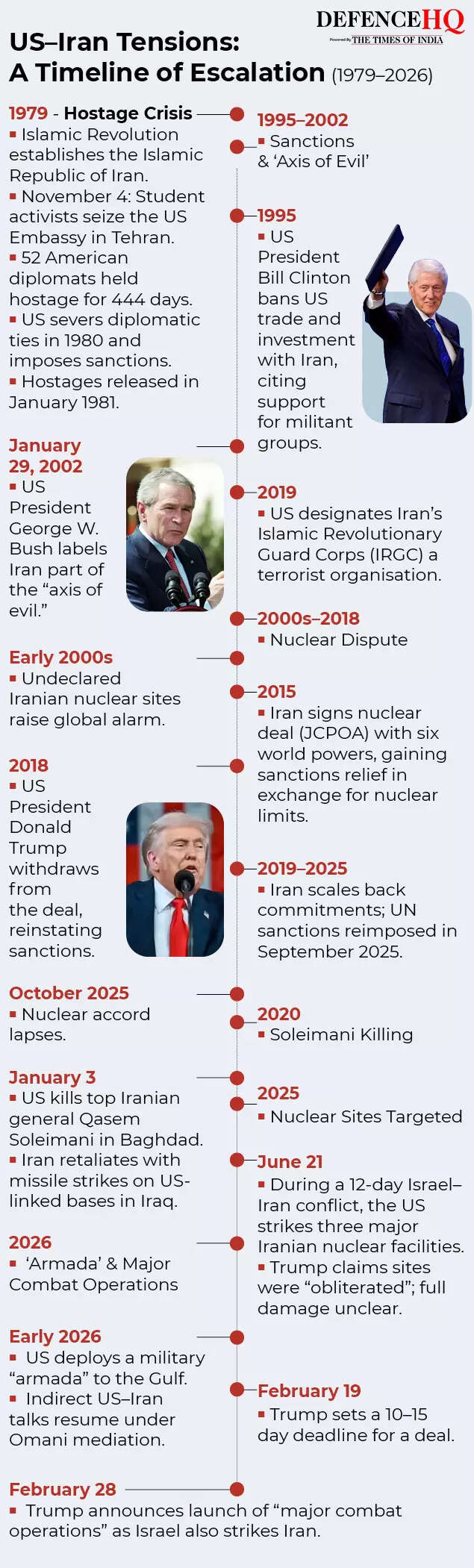
Trump expressed frustration with diplomacy.He viewed the history of negotiations with Iran as years of “talk, talk, talk.”Asked if he supported regime change, Trump said “it seems like the best thing that could happen.”
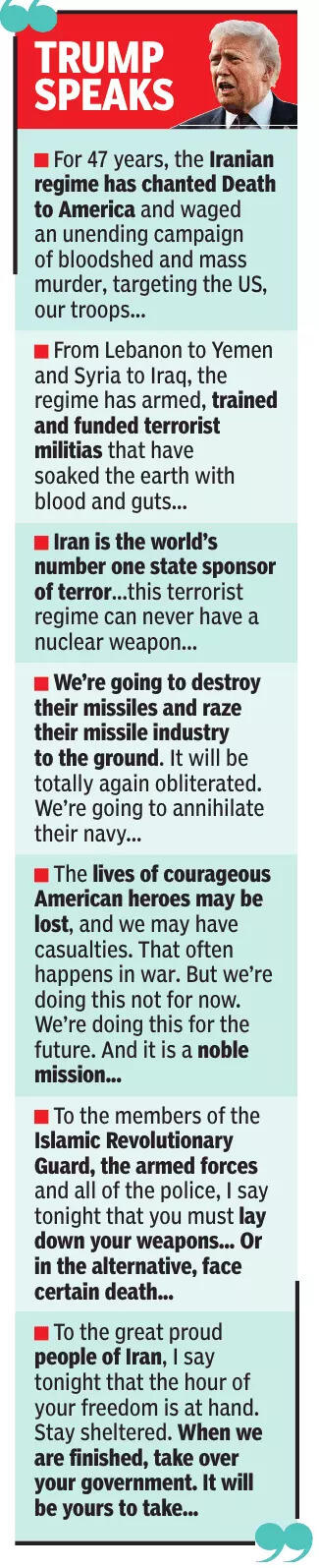
Two weeks later, he authorized a massive bombing campaign against Israel. The attack killed Iran’s supreme leader, hit nuclear and military installations and sparked violence across the region.Publicly, Trump appears to waver between negotiation and confrontation. But behind closed doors, with encouragement from Netanyahu and Trump’s growing confidence in himself after previous overseas operations, his shift toward military action is gaining momentum, according to people familiar with the matter.According to the New York Times, momentum toward war is building behind the scenes, driven by allies such as Netanyahu and his confidence in early U.S. overseas actions.The decision was based on accounts from officials with direct knowledge of the deliberations, many of whom spoke anonymously due to the sensitivity of the discussions, the newspaper reported.For Netanyahu, America’s entry into the war marked a strategic victory. Months earlier, at a conference in Florida, he had sought approval to attack Iranian missile sites. Instead, he secured a bigger goal, a formal U.S. partner, in a campaign that reshaped the Middle East overnight.
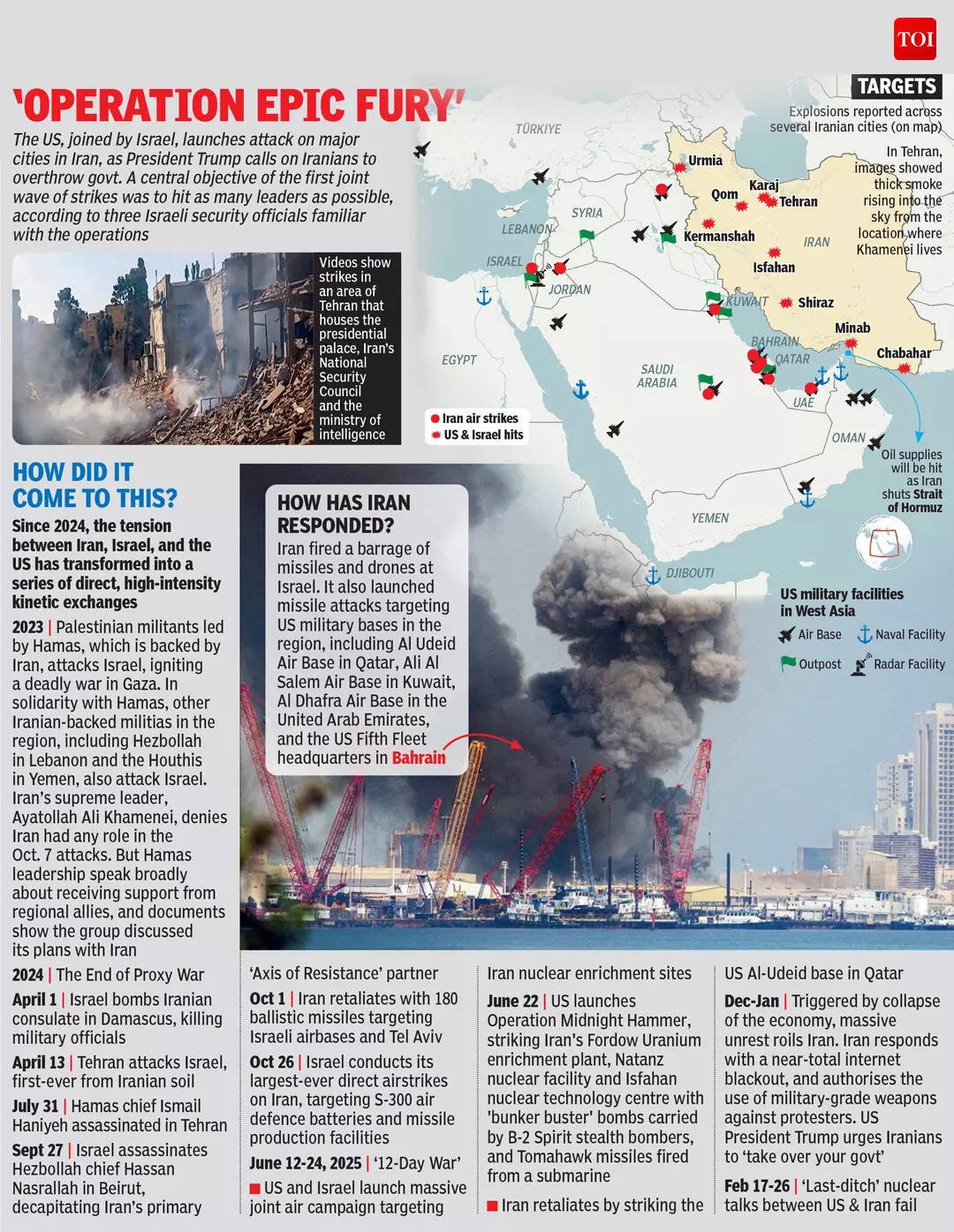
All details of the operation may not be made public. Intelligence tools remain closely guarded. But what is clear is that the attack on Khamenei was the culmination of years of surveillance, technical precision and political determination, a moment when intelligence, timing and power merged with historic consequences.
Three Indian seafarers on foreign vessel die, one injured as tensions rise in Middle East
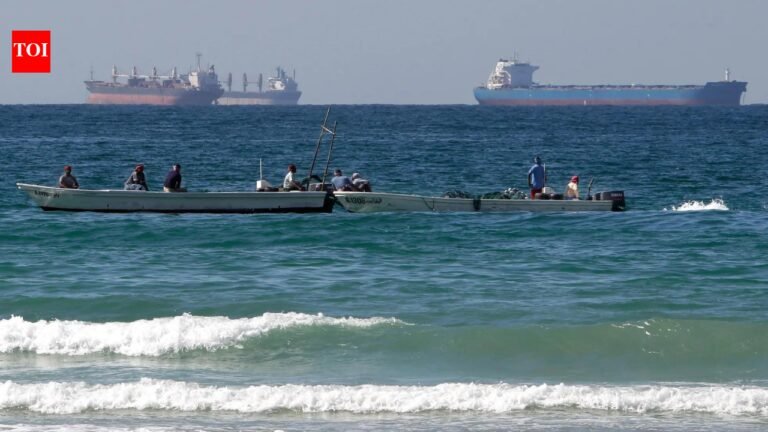
At least three Indian seafarers working on foreign-flagged ships were killed and a fourth injured in the Middle East, the Directorate General of Shipping (DGS) said on Tuesday. He warned shipping operators about the risks of reviewing specific voyages amid escalating military action involving the United States, Israel and Iran.“There have been four incidents involving Indian seafarers in the region, resulting in three casualties and injuries to one seafarer, all of whom were working on foreign-flagged vessels,” the DGS said in a statement, news agency PTI reported.
The casualties come against the backdrop of heightened hostilities in the region, with U.S. and Israeli airstrikes continuing to hit Iranian targets since the death of Supreme Leader Ayatollah Ali Khamenei on Saturday. Tehran and its allies have carried out attacks on Israel, neighboring Gulf states and infrastructure critical to global oil and gas production.U.S. President Donald Trump said on Monday that the United States is “capable” of going further than the four-to-five-week timetable for military action against Iran previously outlined.The inspector general said it was “closely monitoring the evolving maritime security situation in the Persian Gulf, Strait of Hormuz, Gulf of Oman and adjacent waters”. It highlighted the threats posed by missile and drone activity, electronic interference and other maritime security issues.According to PTI, shipping stakeholders have been advised to remain on high alert and conduct thorough voyage-specific risk assessments. Vessels operating in the area are urged to adopt an enhanced security posture, ensure robust bridge surveillance, maintain ongoing communications readiness and report any suspicious activity immediately. Operators are also advised to review shipments through high-risk areas in light of current conditions.The Chief Inspector added that the remaining crew members on the affected vessel were “safe and secure” and authorities were coordinating closely to ensure their welfare and support. Enhanced surveillance, real-time tracking of Indian-flagged vessels, mandatory reporting protocols and 24×7 surveillance have been initiated in coordination with the Indian Navy, Ministry of External Affairs, MRCC and Indian Missions.The bureau said a dedicated rapid response team has also been established to provide timely assistance to seafarers and their families.
Virat Kohli walks with son Akaay in London, video goes viral – Watch


Virat Kohli Currently, he is not playing cricket and is spending time with his family in London. The star India batsman was recently seen taking a walk with his son Akai and fan-recorded videos of the outing were widely circulated on social media.Kohli has been living in London with his family since Akaay was born in 2024. He moved the base to ensure the children’s privacy and keep them away from the constant public attention.In the video shared online, Kohli and Akai can be seen walking on the city streets. The father and son stopped briefly to interact with a few strangers before continuing. Akhay held Kohli’s finger as they walked while the cricketer smiled and greeted onlookers.The video immediately went viral on social media with fans praising the friendship between Virat Kohli and Akaay. However, it is worth noting that Anushka Sharma The couple’s eldest daughter, Vamika, does not appear in the video.On Tuesday, Kohli also returned to social media to express his Holi wishes. He shared a message on his Instagram Story that read, “Happy Holi. May this festival of colors bring success, happiness and positivity in your life.”When will Kohli play again? Kohli has retired from Test matches and T20 internationals. He will return to the field in the 2026 IPL season to play for defending champions RCB. Competition is scheduled to begin in late March.
U.S. State Department evacuation order: Urges non-emergency personnel to leave Bahrain, Iraq, Jordan
The U.S. State Department has ordered the evacuation of non-emergency government personnel and their families BahrainIraq and Jordan, amid heightened security concerns stemming from the ongoing conflict with Iran.

The directive was issued on Tuesday as Washington continues to monitor risks in the region, Reuters reported. The developments come as Iran takes retaliatory actions US-Israeli air strikestriggering concerns about an escalation of tensions in the wider region.
The order states that only essential personnel will remain in place.
Broader regional warning for U.S. citizens
The evacuation order follows a broader alert from Washington urging U.S. citizens to leave some areas. middle EastFrom Egypt to the east, the plan is to intensify the attack on Iran.
Tensions have increased since the United States launched a large-scale military operation targeting Iranian missile facilities, naval assets and other strategic locations. U.S. President Donald Trump said the country’s ammunition stocks have “never been higher or better” referring to the conflict, adding that the U.S. had an “almost unlimited supply” of certain weapons.
Also read: US issues Level 4 ‘Do Not Travel’ alert for Iran and Iraq: What it means
While the State Department has not yet announced a full closure of its embassies in Bahrain, Iraq or Jordan, ordering non-essential personnel to leave marks an important step. Diplomatic operations are expected to continue with reduced personnel as officials reassess risks in the coming days.
Further updates may be available as the conflict develops.
India welcomes its 93rd general manager: Mother quits job to play chess – The making of Aarav Dengla
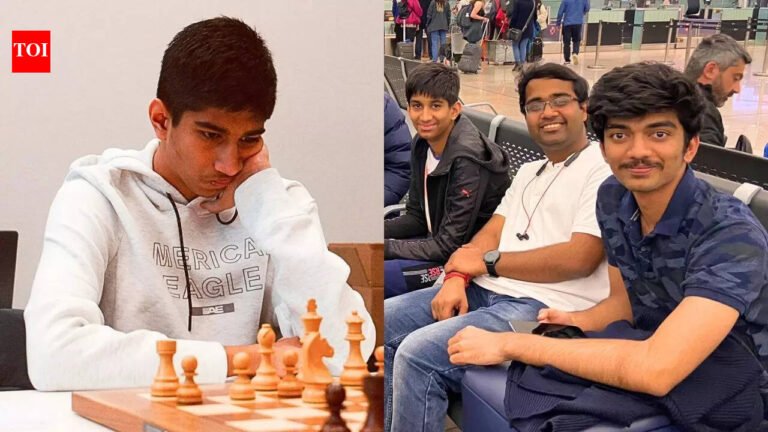
New Delhi: “Chess is war on the board.” This line, often attributed to former world champion Bobby Fischer, has long defined the brutality of the 64-square. For some, gaming is a battlefield. For others, it’s an escape from reality.However, for India’s 93rd Grandmaster (GM) Aarav Dengla, chess takes on a more personal meaning.“It’s like a lifelong friend. You know if you have a board, you don’t need anyone else,” Arav’s mother Shipra Dengla told TOI in an exclusive interaction.
That ‘friend’ has now taken the Mumbai teenager to the top of his game.
Not just a mother, but a creator of champions
As they say, success requires sacrifice. Araf’s mother knew this better than most.“When he (Aarav) was six years old and just started participating in rating competitions, he got close to 800 rating points in four months, going from 1,000 points to almost 1,800 points. That was huge. I have never seen anything like it,” Shipra said.That’s when Araf, now 16, won the national title and qualified for the world championships in Brazil. Going to Brazil for your kids should be an easy next step. But this time, that’s not the case. Due to work reasons, his parents cannot travel with him.“I was working in Mahindra’s marketing department. I couldn’t go with him. His father couldn’t go either because of our commitments. So Aarav couldn’t participate in the event and I opted out in the same month. I knew the issue would continue to come up,” Shipra added.
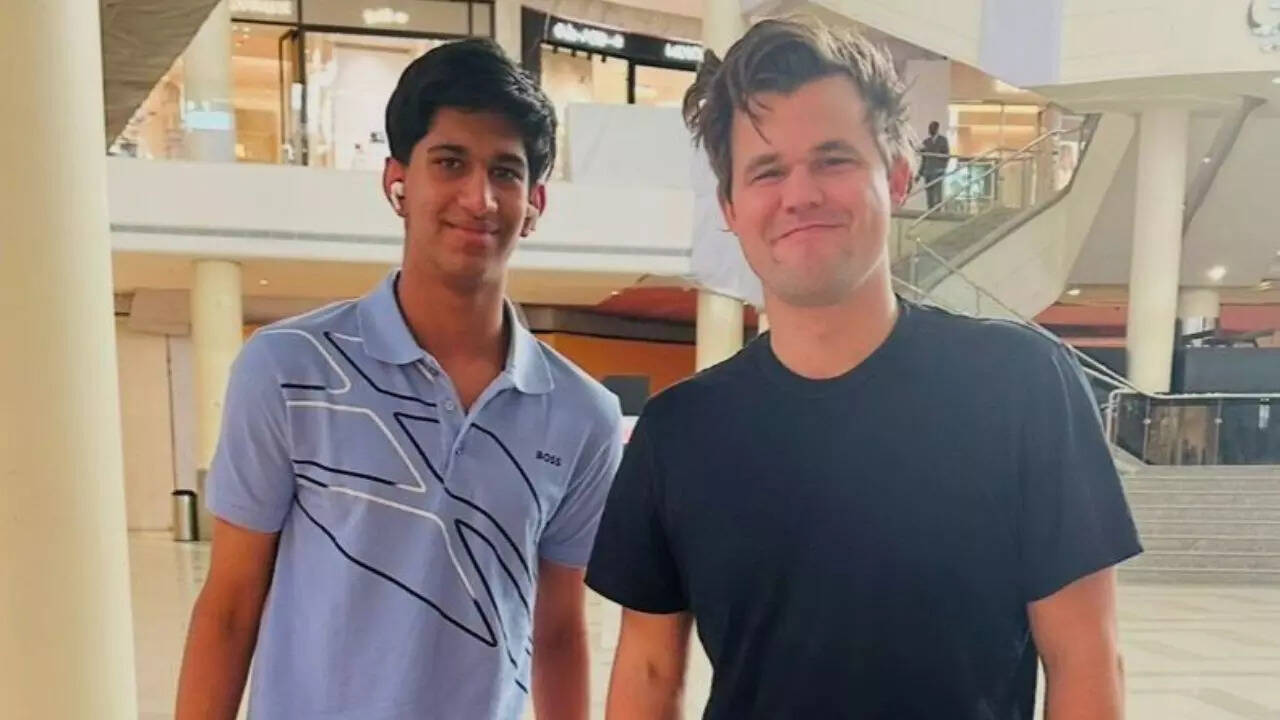
Arav Dengla and the world’s number one general manager Magnus Carlsen (special arrangement)
From then on, Araf’s mother became his traveling companion and the architect who built the championship. However, when you ask Cipra about the title of Master, she refuses to acknowledge it.“Honestly, this is Arav’s personal achievement more than anything else. Chess is a very rigorous sport and only when a kid is really into it, super passionate and focused, can he multi-task and still achieve such a high title,” she added proudly.“We just support him to the best of our ability, find the best coach for him and put him in a mental state where it’s just him, his board and his coach.”Years later, this approach paid off.Aarav Dengla is now the 93rd Grandmaster of India and the third Grandmaster from Mumbai. He sealed his final standard in February 2026 by taking first place at the 2026 Sahabjelina GM & IM Round Robin Festival with a score of 7/9.
Laying the foundation at home
The story begins in the Pali Hills of Bandra, where chess is more of a household language. Aarav’s grandfather Bhavani Sharan Saxena and uncle Ashish Saxena were both outstanding players.“My father was a very good chess player. I learned from him,” Shipra recalled. When Araf was five years old, his grandfather introduced him to the basic moves.
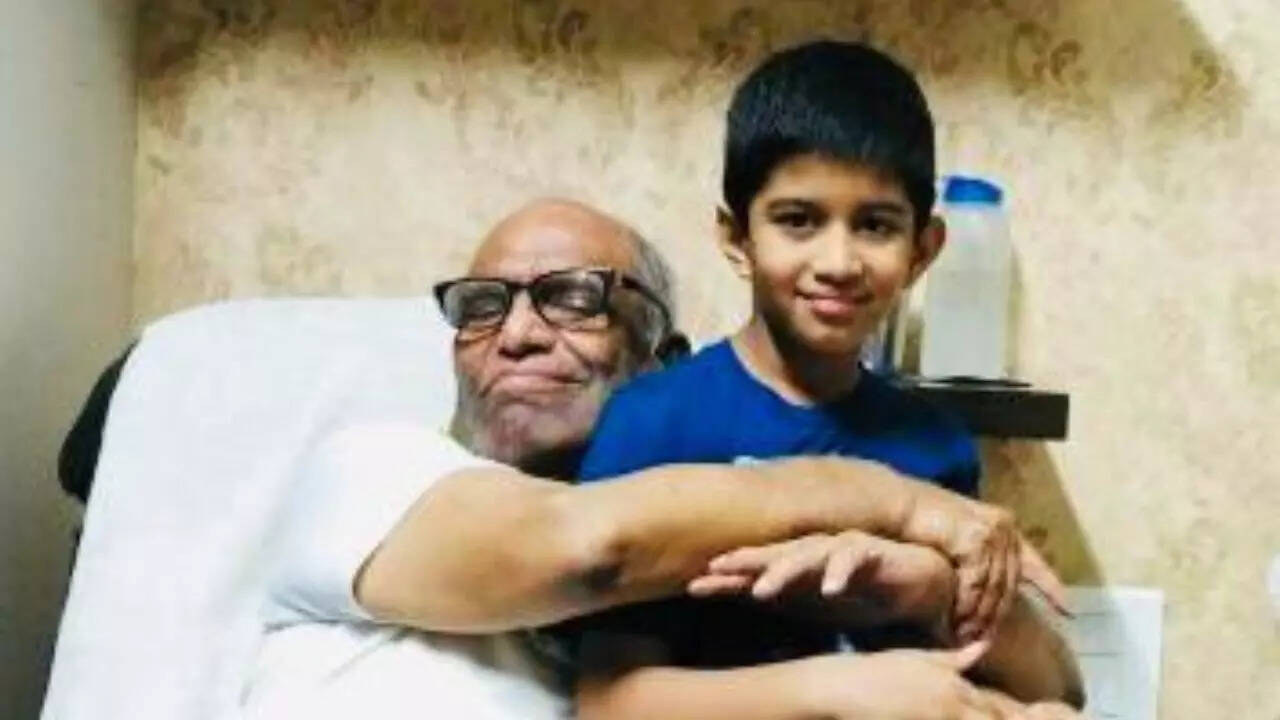
Arav Dengla and his grandfather (special arrangement)
A year later, curiosity took over.“A friend of his was going to a chess tournament. He was older, about nine, and Araf just tagged along. I didn’t think much of it. He asked, ‘Can I participate?’ He was just excited that he was allowed to compete. And he won,” his mother giggled.His father Manoj Dengla, a CA level holder and Harvard Business School alumnus, sought the strongest guidance in Mumbai. After this search, they found senior master Pravin Thipsay.Academia remains non-negotiable. Aarav started studying at Dhirubhai Ambani International School, which was based on the IB curriculum and required discipline with a 90% attendance rate. He completed the Primary Years Program (PYP) and the Middle Years Program (MYP), often limiting chess competitions to school holidays.“Since he was six years old, he had been playing only during the holidays,” Shipra recalled.In ninth grade, he transferred to Andover Phillips Academy in the United States.
The influence of the first master
As mentioned earlier, Arav’s first official coach was Pravin Thipsay, one of the most respected minds in Indian chess.“His base is only a block away from us. Imagine a six-year-old kid training under a master,” Shipra said. “Mr. Tipsey always said that schooling was very important for a child’s growth and that it was helpful for playing chess. He encouraged him to write more.”
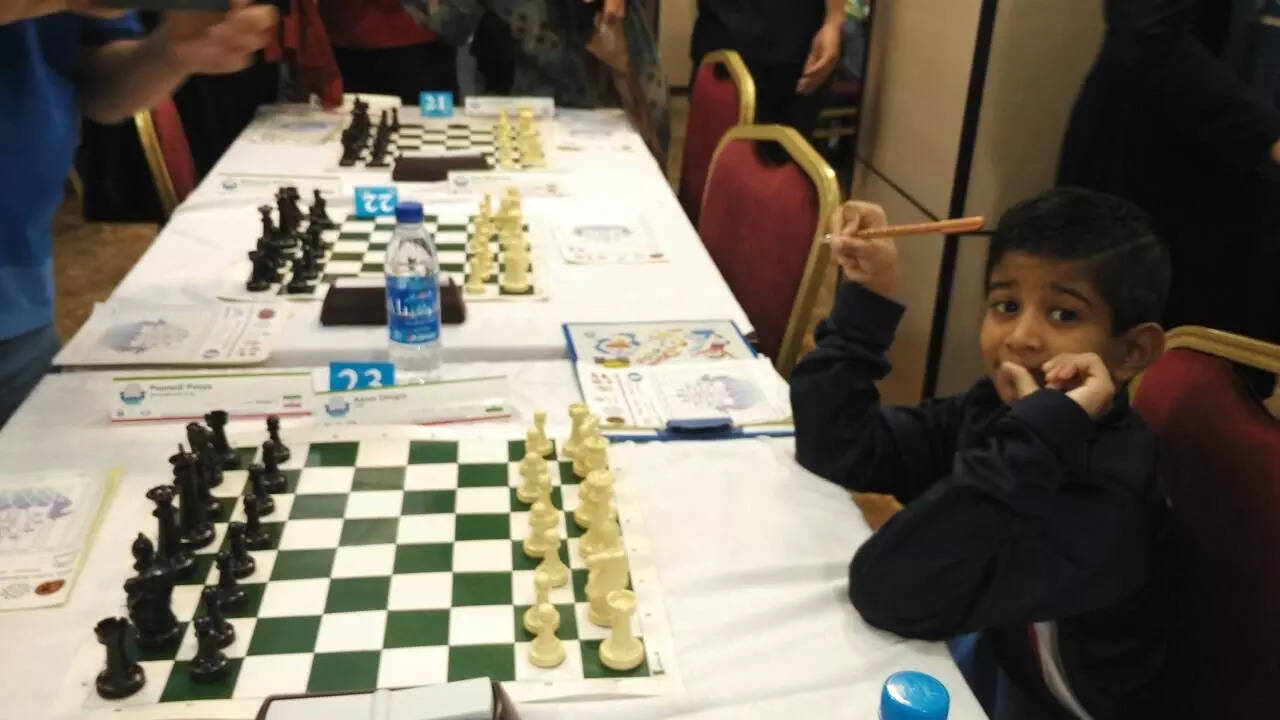
Arav Dengla (Special Arrangements)
“I was his first coach and his only coach for 3-4 years. He was five years old when we started training,” Tipsey told the website.“Sir comes every evening for a walk and spends an hour with Araf. Mr. Tipsey loved the game so much that it was impossible for anyone not to fall in love with it while he was there. ” added Arav’s mother, revealing how the veteran general manager’s lessons learned brought the budding chess enthusiast closer to the sport.
Instinct, Brotherhood and the Chennai Chapter
It wasn’t long before Arav’s family chose to regularly shift their base to the Indian chess mecca of Chennai for high-level work.“During the holidays, when he wasn’t playing, he was with Vishnu Prasana. Vishnu Prasanna was very picky about the students he admitted,” recalls Shipra.“I remember what Vishnu Prasanna said when I first met Aarav, that there are some things in chess that cannot be taught. I saw that in Aarav. The rest is my responsibility.”
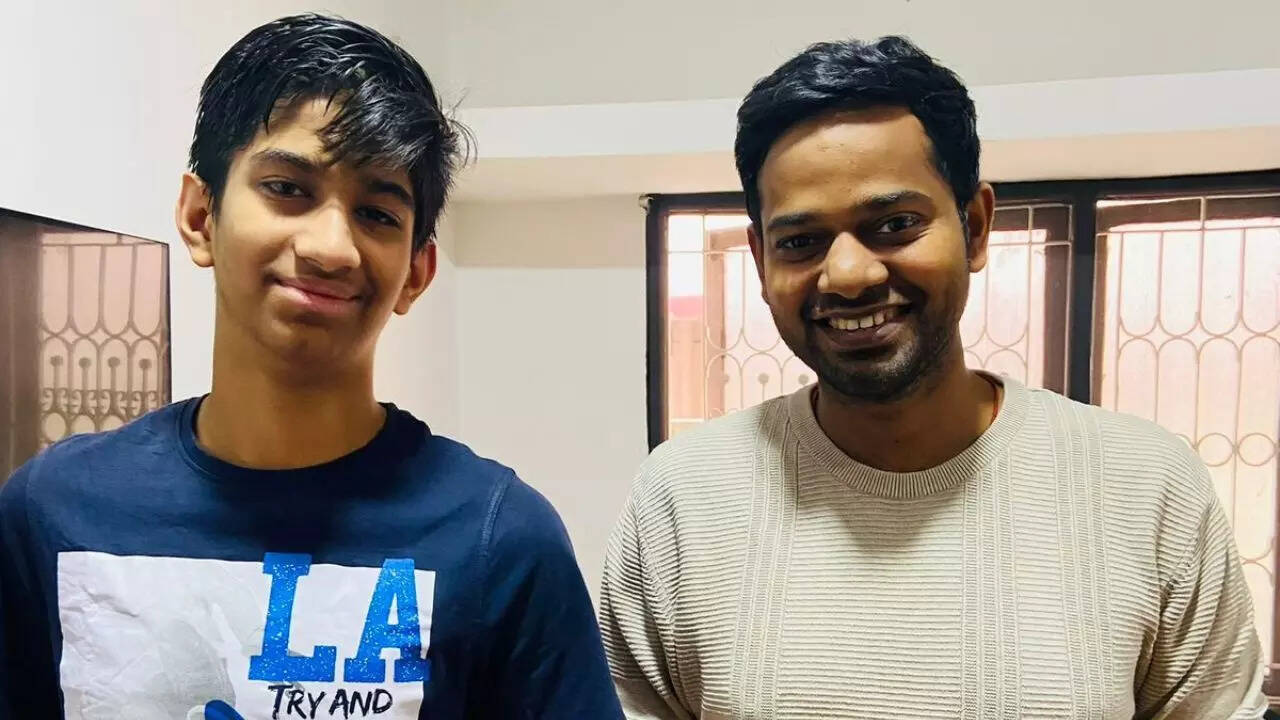
Aarav Dengla and coach Vishnu Prasanna (special arrangement)
Led by Vishnu Prasanna, Aarav’s game has gone deeper. Talking about the details of their work, she revealed, “While training with a 9-10-year-old, I saw him working 12-14 hours; he was just obsessed with chess on the board.”D Gukesh is one of them. “During COVID, only Gukesh and Aarav were there. Gukesh was his good friend,” Shipra added.Another lasting bond was with Arjun Erigaisi. “He was almost like a brother to Araf,” Shipra said. As for coaching, Arav is currently training under the guidance of Vishnu Prasanna and Zaven Andriasian.
structural reality
Despite its size, Mumbai offers limited chess infrastructure compared to southern centres. That’s why Arav had a great time in Chennai.“The most challenging part about Mumbai is the training ecosystem. Academies are few and far between. Weekend matches are much less compared to Chennai and Hyderabad.”However, after achieving a milestone, the multilingual and sociable Aarav just wanted to push the boundaries further.“He goes to the gym, does strength training and runs 45 minutes a day. At least two hours of physical activity is mandatory. Fitness has a huge impact on mental sports. He has always been passionate about Taekwondo, swimming and other sports, and still is. At least 2 hours a day, it is mandatory for him,” Shipra added.Also read: India welcomes first WIM from Northeast: How 15-year-old Arshiya Das is rewriting the geography of chessAt 6 feet 2 inches tall, the 16-year-old meets the standards of both a modern professional athlete and a chess prodigy.However, even during the summit, the Dengla family had no predetermined script, Shipra concluded: “Is his goal to become a world champion? Or to prioritize academics? No one can predict.”
How Iran’s attacks put Dubai’s ‘safe haven’ reputation under pressure
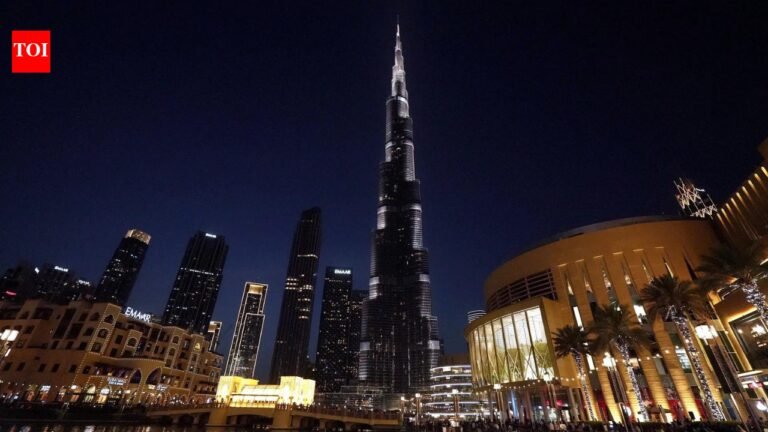
Amid the unrelenting turmoil of the Middle East, Dubai has always been a glittering haven in the Gulf—a dazzling center of glamor, grandeur, towering skyscrapers and a skyline that cuts through the clouds. But the latest shock raises a stark question: Is the Pearl of the Bay really safe?The city, which attracts millions of tourists each year, is now on high alert, hit by retaliatory Iranian missile and drone attacks after a joint U.S.-Israeli strike killed Supreme Leader Ayatollah Ali Khamenei.Over the decades, Dubai has established itself as a financial powerhouse in the Middle East, with a dazzling skyline, luxurious lifestyle and an air of impenetrable security. But now its skies look dangerously exposed to a violent and aggressive Iranian regime.Dubai’s charm extends far beyond its skyscrapers and futuristic skyline. Tax-free wages, seamless business facilities and pledges of ironclad stability have led to the belief that turmoil in the Middle East or the Gulf will never puncture its bubble.On Saturday, that perception changed. The Iranian attacks entered Dubai airspace, targeted the world’s busiest airport for international passengers and even targeted the city’s iconic Burj Al Arab hotel, shattering the city’s long-held feeling of impregnability.
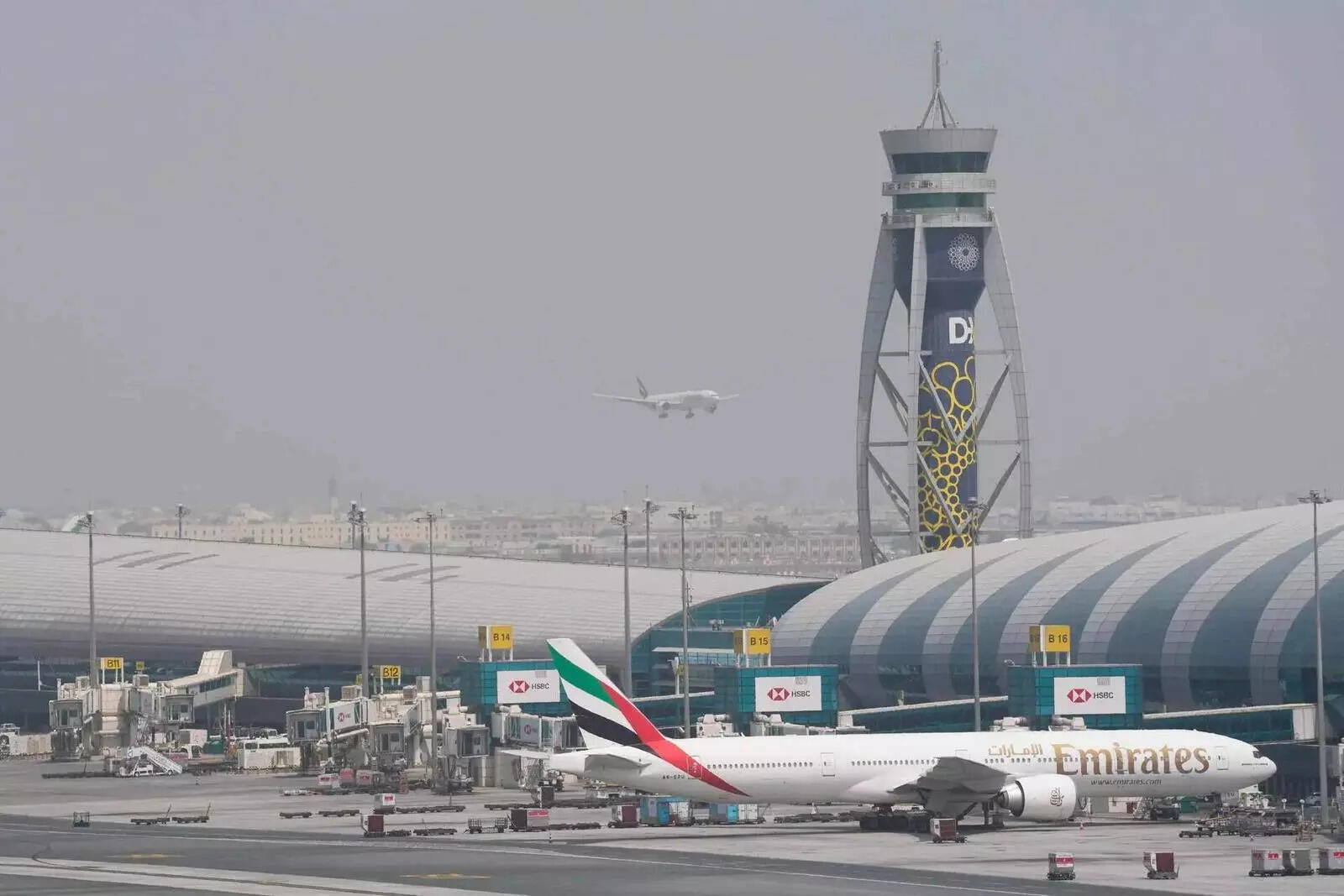
UAE President Mohammed bin Zayed Al Nahyan initially called for calm, urging Tehran to “return to its senses” and reminding Iran’s leaders that “your war is not with your neighbours”. While Tehran may have calculated its response against the United States and Israel, it continues its military offensive against the UAE’s major cities, including the capital Abu Dhabi, financial center Dubai and nearby Sharjah, and is not limited to strikes against Israel or U.S. military bases in the Gulf.The escalating situation in the region has become a major concern for millions of residents, including nearly 10 million Indians living in the Gulf region.
Psychological impact and investor concerns
The Iranian attack not only caused material damage but also struck at the psychological foundation of the city. The city has spent four decades building a reputation as one of the world’s most reliable places to do business in a region known for instability.As a close ally of the United States, UAE authorities moved quickly to contain the damage to confidence and the real impact. The UAE National Emergency, Crisis and Disaster Management Authority said the situation remains under control. For investors and residents who have seen their landmarks hit by missiles and hoarded supplies, the guarantees are noteworthy, but whether they are enough is another question.“The dangers facing Dubai’s economic model cannot be overstated,” Jim Krane, a researcher at Rice University’s Baker Institute, told Reuters. “The physical injuries may be minor, and so far most of the pain is psychological. But Dubai’s status as a safe haven for expats and their businesses is increasingly being called into question. The longer the war drags on, the stronger the push to find alternative locations. Dubai needs to end this war now.” International capital is highly mobile. “Reflecting the pressure, UAE stocks were closed on Monday and Tuesday. Technical disruptions following a hit to Amazon’s cloud computing facilities have affected some banking operations. Tens of thousands of people remain trapped as airspace is largely closed.Sunny weather, modern infrastructure and zero income tax have attracted hedge funds, expatriates and influencers, earning Dubai and Abu Dhabi the nickname “Switzerland of the Middle East”. But now they are counting the number of interceptors they have left to defend against an Iranian missile attack. The UAE’s image as a safe haven is crumbling.
Airport, flight and Gulf infrastructure disruptions
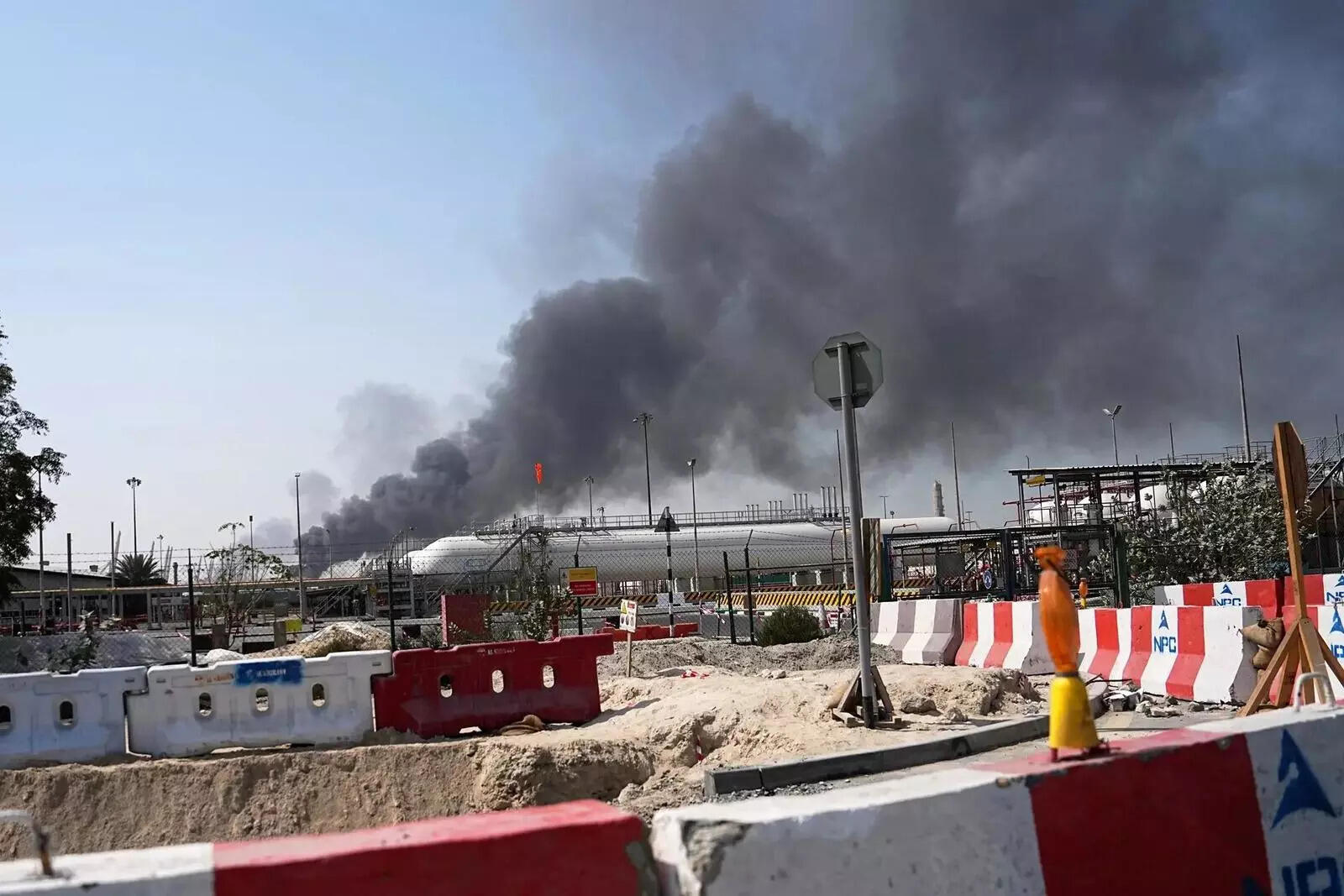
Dubai’s financial center and tourist attractions have been rocked by fires and missile fragments since the weekend after defense systems intercepted 165 ballistic missiles, two cruise missiles and 541 drones from Iran, Bloomberg reported. Supermarkets were packed with panic buyers and Dubai International Airport, the world’s busiest tourist hub, was forced to close.
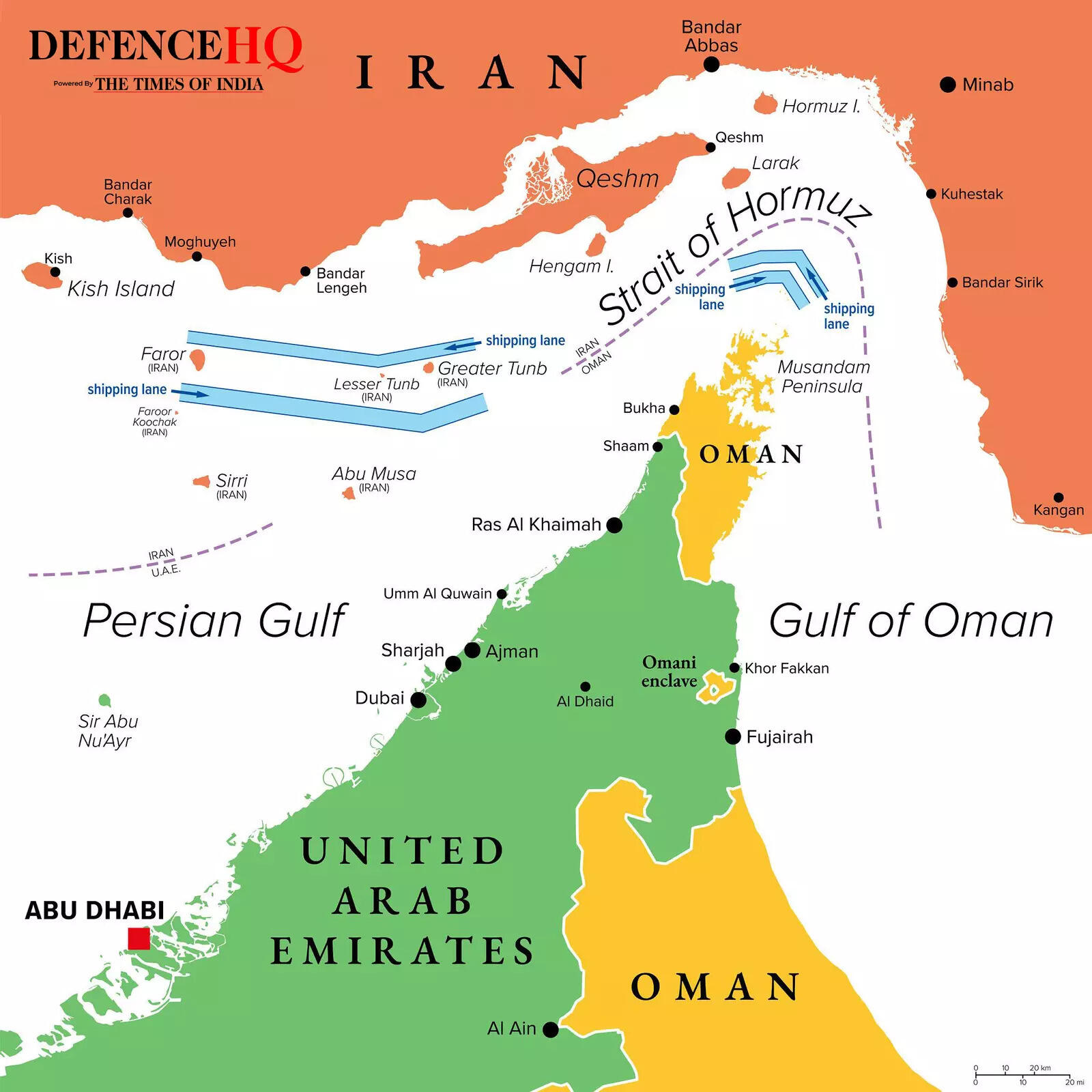
The Strait of Hormuz, a vital trade and oil route that the UAE and other Gulf states rely on, is effectively closed. Despite Dubai’s proximity to Iran, the risk of war appears to be underestimated, as shown by the continued influx of wealthy residents and high housing prices.The UAE has faced missile threats before, but this is a new level of danger. As a U.S.-Israeli conflict with Iran looms, Gulf monarchies continue to grapple with external threats and public reaction despite their large defense budgets and hostility toward Iran.
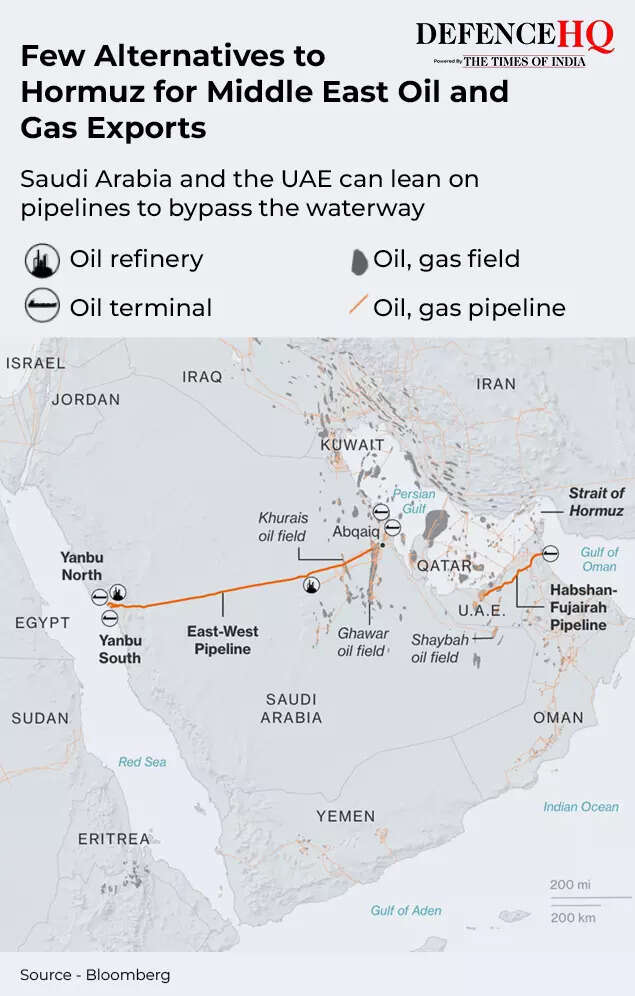
Critical infrastructure including desalination plants, shipping lines and data centers are now in real danger. The “stability first” model promoted by Gulf leaders is under serious pressure.Many Dubai residents have been driving to Oman or Saudi Arabia to get flights out of the region. Airports in Dubai and Abu Dhabi, which have been closed since Saturday, began cautiously reopening late Monday with some repatriation flights. Qatar and other Gulf airports remain largely closed after Israeli and U.S. attacks on Iran triggered retaliation from Iran. More than 11,000 flights have been canceled since Saturday, affecting more than 1 million passengers, and airline stocks including British Airways, Lufthansa and Air France-KLM have fallen sharply.
How Dubai builds its brand
Dubai’s rise from a small pearling and fishing port to a global financial center took decades. The establishment of Emirates Airline in 1985, the opening of the Burj Al Arab hotel in 1999 and the laws allowing foreigners to own property in the early 2000s were important milestones.Today, Dubai’s economy relies mainly on the non-oil sector, with oil accounting for less than 2% of GDP. Trade, tourism, real estate and financial services have replaced oil as the main driving force, while Abu Dhabi, which holds more than 90% of the UAE’s oil reserves, remains more dependent on oil.The city’s success is built in part on the instability of other areas. As civil wars, uprisings and crises unfolded in the region, new residents and capital poured into Dubai. The population of the UAE has grown from 1 million in 1980 to 11 million in 2024, of which Indians account for approximately 35%. Dubai continues to attract wealthy residents, with more than 9,800 millionaires moving to the city last year, more than any other country, according to Henley & Partners.Launched in 2004, the Dubai International Financial Center (DIFC) is home to more than 290 banks, 102 hedge funds, 500 wealth management companies and 1,289 family-related entities.
What changed on Saturday
Vulnerabilities have always existed. With the Strait of Hormuz close to Dubai, Iran has the motivation and ability to destabilize Gulf commerce.Over the weekend, Dubai International Airport was attacked, a berth at Jebel Ali Port caught fire and the Burj Al Arab hotel was damaged by interceptor shrapnel. According to the UAE Ministry of Defense, three people were killed and 58 injured.
“People are scared of what’s going on. This is the first time they’ve had to hide underground. “Dubai Airport, one of the largest airports in the world, had to close for a few days,” said Nabil Milali, a multi-asset portfolio manager at Edmond de Rothschild Asset Management, who last week reduced exposure to global equities in preparation for a possible attack on Iran.“We have a 70% chance that the geopolitical risk premium in the region will be maintained over the long term.”Some companies are already planning to cut jobs, halt financing and re-evaluate their operations in Dubai. Private banks may reconsider serving local clients as demand for gold surges.“Historically, markets like the UAE have shown resilience during crises, including COVID-19, and have been supported by strong policy responses and governance,” said Madhur Kakkar, founder and CEO of Elevate Financial Services. “At this stage, it seems unlikely that institutional capital will undergo a broad structural reallocation from the UAE or the wider Gulf region unless tensions escalate significantly or persist for an extended period.“William Jackson, chief emerging markets economist at Capital Economics, said, “This is indeed a considerable change in perception. Gulf economies are generally considered immune to Iranian retaliation. I think that did change over the weekend. The impact will depend on how long the conflict lasts, but it is a considerable challenge, especially for diversification efforts in the region.”
Nearly 10 million Indians are at risk
The nearly 10 million Indians living in the Middle East are at greater risk as tensions rise with U.S. and Israeli military operations against Iran and Tehran’s retaliation.
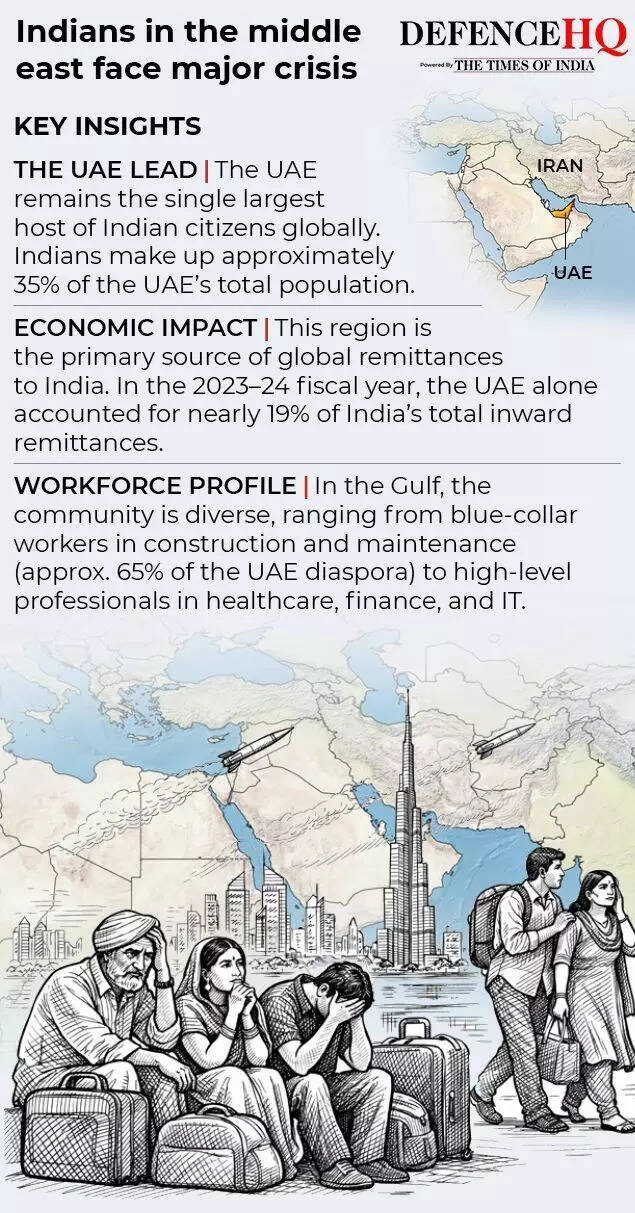
Prime Minister Modi called the situation in West Asia “a matter of grave concern” and stressed India’s support for resolving disputes through dialogue and diplomacy.
India supports dialogue and diplomacy in resolving all conflicts.
Prime Minister Modi
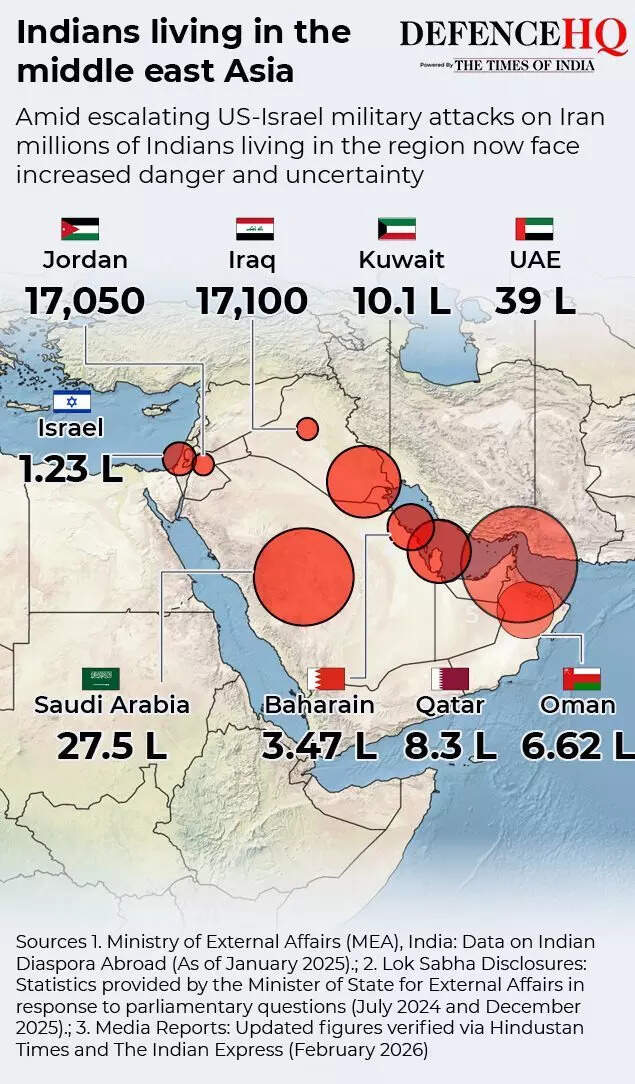
The Gulf region has one of the largest overseas Indian communities: about 3.5 million in the UAE, 2.7 million in Saudi Arabia, 1 million in Kuwait, 800,000 in Qatar, 660,000 in Oman and 350,000 in Bahrain. Smaller communities live in Jordan, Iraq and Israel. In the UAE, Indians make up about 35% of the population and work in the construction, healthcare, finance and IT sectors.
When will the US-Iraq War end? Trump claims “unlimited weapons supply”
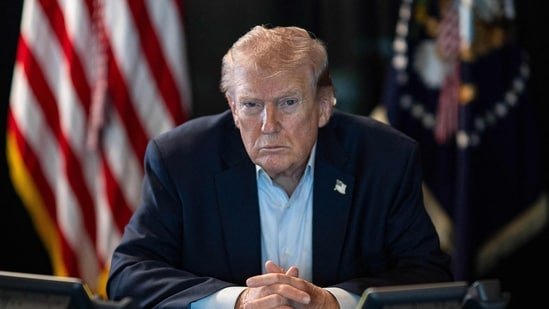
President of the United States Donald Trump has said the country’s ammunition stocks have “never been higher or better.” Just a day ago, the Wall Street Journal reported that the United States was stepping up efforts to destroy iranian missiles and drone Enforce before running out of interceptors.

“America’s mid-level and mid-high-grade ammunition inventories have never been higher or better – and as stated to me today, we have an almost unlimited supply of these weapons. We can fight wars ‘forever’ using just these supplies, and do so very successfully (better than other countries’ best weapons!). At the top end, we have ample supplies, but not quite where we want them to be.” Trump wrote.
Learn more | Mamdani was scolded by Iranian New Yorkers for his “illegal war” remarks: “You are human garbage”
“There’s a lot of extra high-end weapons being stockpiled for us in outlying countries. Sleepy Joe Biden spent all his time and our country’s money giving everything to Barnum (Zelensky!) in Ukraine – worth hundreds of billions of dollars – and, while he gave away so much super high-end weapons (for free!), he didn’t bother to replace it. Fortunately, I rebuilt the military during my first term and will continue to do so. USA Well stocked and ready to win big! Thank you for your attention to this matter. President Donald J. Trump,” he added.
Trump speaks out about Khamenei’s killing
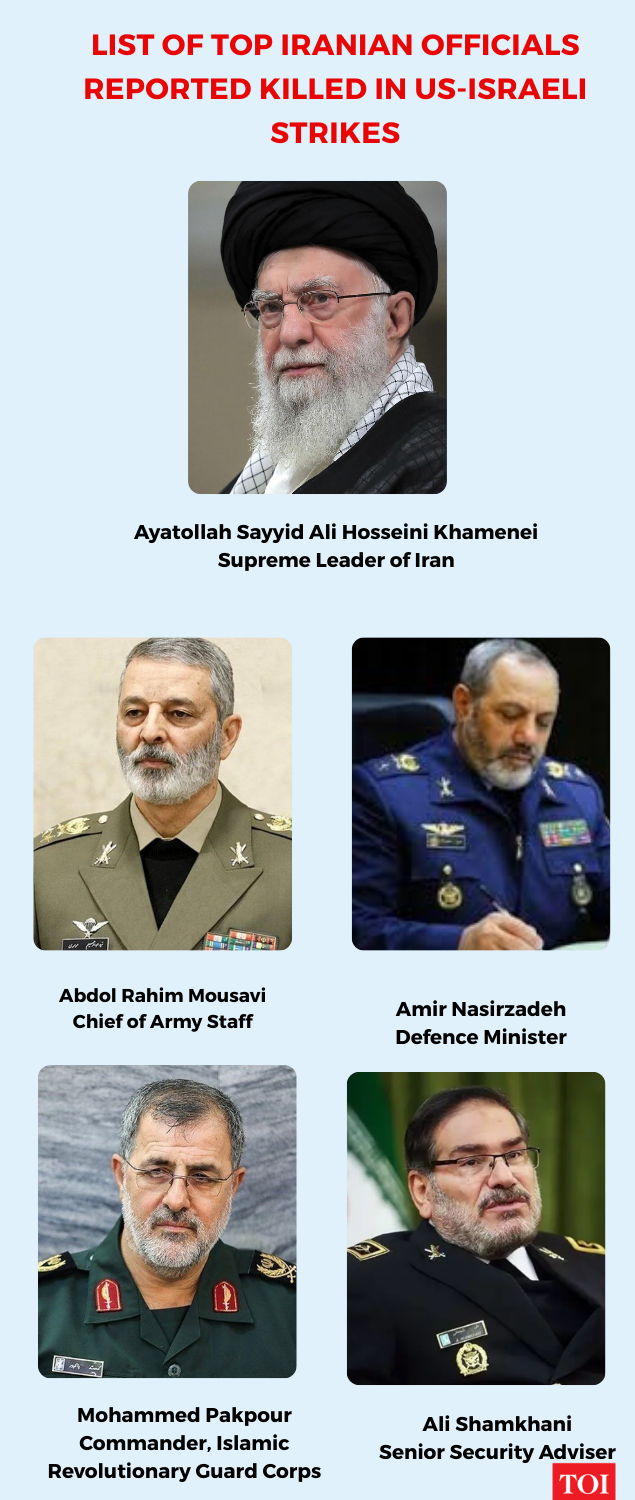
U.S. Central Command recently released a list of U.S. assets used in its Operation Epic Fury. US launches major military action against Iran Iran The attacks on Friday, February 27, targeted key Iranian military bases, including missile facilities, a naval base and locations near the office of Supreme Leader Ayatollah Ali Khamenei.
On Saturday, February 28, the United States used a variety of weapons against Iranian targets, including suicide drones, Tomahawk cruise missiles, and stealth fighter jets. It also used low-cost, one-way attack drones modeled on Iranian designs for the first time in combat.
Trump, meanwhile, recently claimed in a statement about the killing of Iran’s Supreme Leader Ayatollah Ali Khamenei that he acted first to eliminate what he claimed was an imminent threat to his own life. Prior to this, the US President announced Khamenei’s death at a meeting. truth social postcalling him “one of the most evil men in history.”
Learn more | First confirmed US casualties: Has Pentagon revealed the identities of 3 service members killed in Op Epic fury?
“Before he killed me, I killed him,” Trump said in an interview with ABC News, seemingly referring to a 2024 Iran-related plot that U.S. authorities earlier said was aimed at assassinating him. “He tried it twice. Well, I killed him first.” Trump added, “I killed him first, and then he killed me.”
‘India must wake up morally’: Rahul Gandhi urges PM Modi to ‘speak loudly’ on Iran crisis
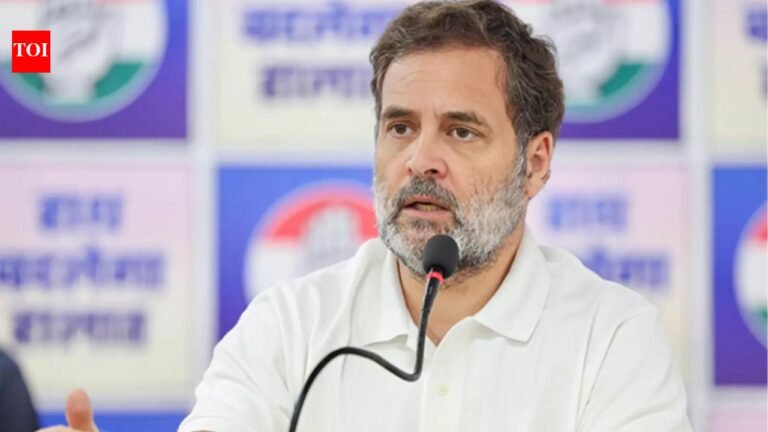
New Delhi: Congress leaders Rahul Gandhi Prime Minister Narendra Modi’s government was urged on Tuesday to take a clear and moral stand amid the escalating hostilities between the United States, Israel and Iran.Rahul said in a post on “The escalating hostilities between the United States, Israel and Iran are pushing this fragile region into a wider conflict. Thousands of people, including nearly ten million Indians, face uncertainty,” Rahul said. He added: “While security concerns do exist, attacks that violate sovereignty only exacerbate the crisis. Unilateral attacks on Iran, as well as Iran’s attacks on other Middle Eastern countries, must be condemned. Violence begets violence – dialogue and restraint remain the only path to peace.”Rahul said India’s foreign policy tradition requires clarity in times of global instability.“India must be morally clear. We should have the courage to speak out in defense of international law and human life. Our foreign policy is rooted in sovereignty and peaceful resolution of disputes and must be consistent,” he said.Sharp remarks against the Prime Minister Narendra ModiRahul Gandhi questioned the government’s stance on recent developments.“PM Modi must speak out. Does he support the assassination of heads of state to define world order? Silence now will weaken India’s standing in the world,” he added.Meanwhile, the Ministry of External Affairs (MEA) said on Tuesday that Dubai has resumed limited flight operations due to ongoing disruptions in the region’s airspace.On February 28, the United States and Israel conducted air strikes on multiple Iranian cities, targeting military command centers, air defense systems, missile launch sites, and key regime infrastructure.The attacks killed Iran’s Supreme Leader Ayatollah Ali Khamenei and four senior military and security officials, with reports of massive explosions in Tehran and other major cities.