
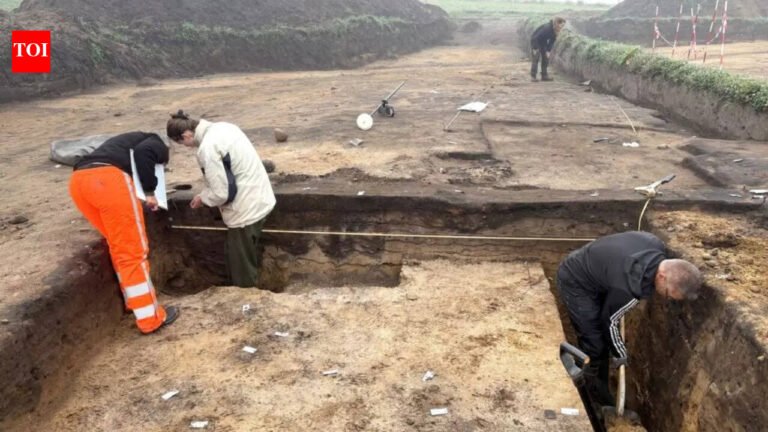
Danish archaeologists have confirmed that a 2,000-year-old Iron Age temple and more fortified settlement have emerged beneath a peaceful stretch of grassland in Hedegau, near Eströfum in central Jutland, providing clues to Northern Europe’s politics, religion and trade. Experts say the site could be one of the most important power centers ever discovered in Denmark.For decades, Hedegaard remained mundane beneath the surface, a well-preserved cultural layer barely affected by modern agriculture. The sheer size and complexity of temples and settlements seemed to mark a community with significant influence, wealth, and connections far beyond the local area.
How Hedegaard’s hidden Iron Age obsession was discovered
In 1986, archaeologist Orla Madsen Hedegaard discovered an unusually rich burial site filled with weapons. Excavation continued for several years but was stopped in 1993. For decades, the site lay largely dormant, quietly guarding its secrets.In 2016, the Midtjylland Museum resumed research, but it was not until 2023 that the true scale of the settlement became apparent. Archaeologists realized that the cemetery was part of a larger defensive complex that included workshops, elite residences, defensive buildings and a central religious temple.
The Temple of Hedsego: a central hub of Iron Age ritual and power
The temple is located in the center and dates back to around 0 AD. It measures approximately 15 meters by 16 meters and is almost rectangular in shape, with a ring of sturdy columns forming a colonnade around the smaller internal structure. The interior building has deep pillars and walls made of clay and split planks, with the entrance facing south.Inside, archaeologists discovered a 2×2 meter high fireplace decorated with stamped and linear patterns. Experts say it was clearly not intended for cooking but for ritual purposes, and is the first clear look at Danish Iron Age religious architecture. “Everything here is bigger and wilder than usual,” museum inspector Martin Winther Olesen told Dr.Dk. “Nothing is ordinary.” Around 0 AD, the northern expansion of the Roman Empire reached the Elbe River near Jutland. Hedegaard’s fences and defensive structures seemed to be a response to this looming threat. The fortifications reflect technical knowledge and strategic planning, possibly influenced by Rome’s sense of military power.This is no ordinary village. Hedegaard brought together ritual, political and economic authority in one place. Its defense might be a message: This is a place not to be ignored.








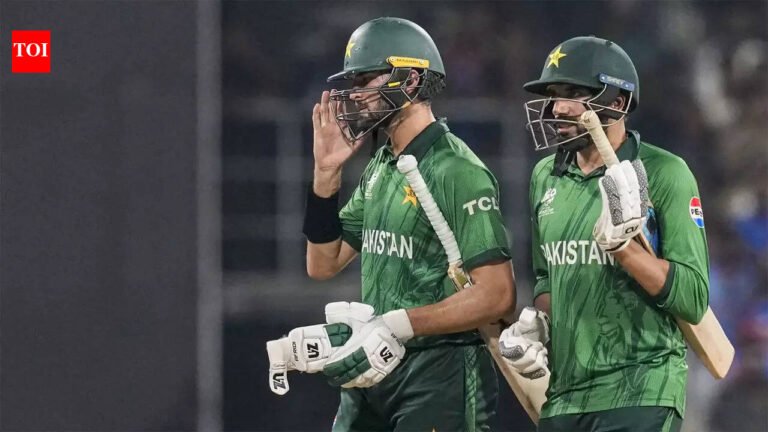


‘If Pakistan wins…’: Mohammad Qaif fires back at Shoaib Akhtar on live broadcast | Cricket News
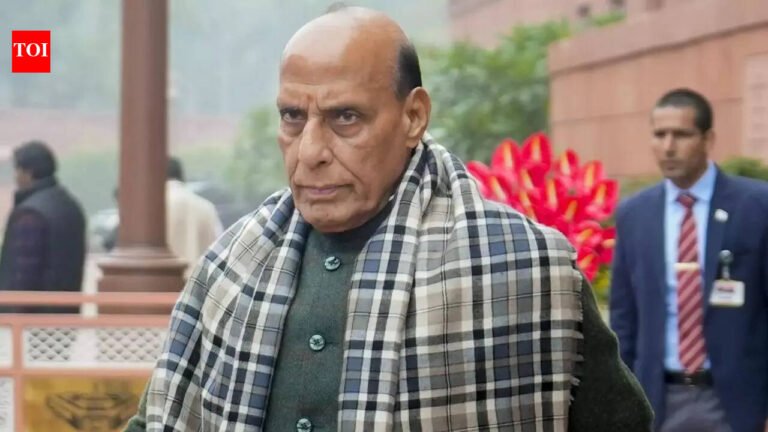
PakistanPakistan’s 61-run defeat to arch-rivals India in the T20 World Cup was largely due to their shortcomings, especially after they bowed out for just 114 runs. Much of the discussion centered on Pakistan’s lack of intensity and inability to match the defending champions, especially in batting.However, former India cricketer Mohammad Kaif feels that this statement unfairly overshadows the excellence of the Indian team on the night. Kaif admitted that Pakistan fell far short of the required standards but felt that India’s quality and composure under pressure deserved more recognition.
T20 World Cup: India humiliates Pakistan again
Speaking on ABP News, Kaif expressed disappointment at the way the debate was shaped, stating Shoaab Akhtar Because the focus is on Pakistan’s struggle rather than India’s performance.“Ever since we started the show, I have been unhappy because you have been saying that Pakistan team is weak anyway and is a lifeless team. If that team had won today, then 100% Shoaib Akhtar would have said now that BCCI is proud and the players are too arrogant,” Kaif said.“What I am trying to say is that by showing Pakistan’s weakness, you are taking away what is great about India. You have just shown that Pakistan is in trouble and has no system, but what does that have to do with India?” he continued.Kraft pointed out Ishan KishanA match-winning 77 off 40 balls was an example of India thriving under extreme pressure. The opener was his first match against Pakistan and despite a challenging pitch, he produced one of the standout performances in the history of the India-Pak T20 World Cup.“We are talking about India, Indian captain Ishan Kishan playing Pakistan for the first time – how much pressure he has to endure, we are not talking about that. Give credit to the Indian players because they played in such conditions, imagine if they had lost, there would have been an outcry,” Kaif pointed out.He also highlighted the intense scrutiny faced by Indian players in such high-stakes tournaments and recalled how criticism escalated after the defeat at the 2021 World Cup.“do you speak Suryakumar Yadav No handshake, now the team loses and they think they are so brave. Ishan Kishan, Jasprit Bumrahif they lose this game today, everyone will be judged. ” Kraft said.As India enters the Super 8 stage, Kaif’s comments are a reminder that in a tournament of this magnitude, victory depends not just on the mistakes of the opponent but also on skill, temperament and the ability to withstand intense pressure.