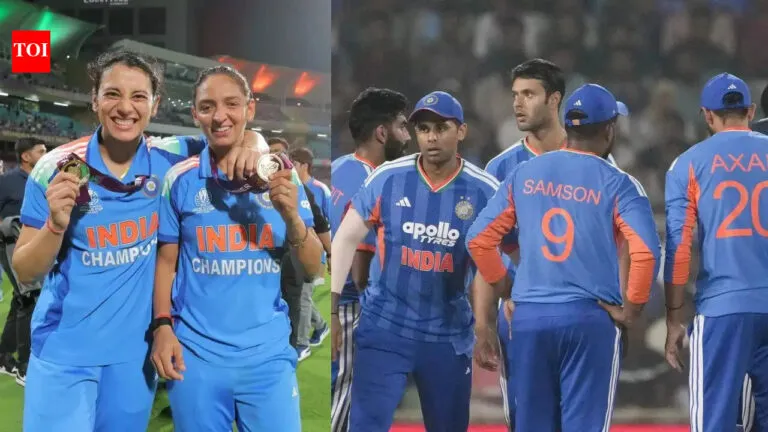

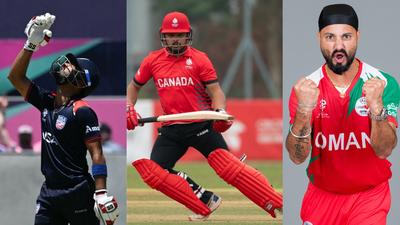
and Suryakumar Yadav Leading India into the 2026 T20 World Cup, attention will naturally be focused on the hosts. However, apart from India being the defending champions, the tournament also has another fascinating connection with India – several affiliated countries will be captained by players of Indian origin, adding an extra narrative to the global event. The 2026 World Cup is co-hosted by India and Sri Lanka and will be attended by prospective teams such as the Netherlands, United States, Nepal, Namibia, Oman, UAE and Canada with growing confidence and ambition. After going through a rigorous qualification pathway, these teams are no longer content to simply compete. They are committed to challenging the established teams and making a mark in the Championship.
In recent years, the gap between associate team members and full members has been shrinking. Backed by a solid domestic system and a roster of county and franchise players, the Netherlands have repeatedly surprised people at the ICC. The United States and Canada benefit from an expanded domestic competition and increased international opportunities, while Nepal continues to draw strength from enthusiastic crowds and a strong spin culture. Namibia’s rise has been built on discipline and tactical clarity, while Oman and the UAE bring valuable experience from multiple ICC tournaments and the ability to handle pressure situations. For Indian fans, the presence of an Indian-origin captain leading the team adds another layer of intrigue – a leader eager to prove his credentials on the biggest stage.Monank Patel (USA) Monak Patel’s path to international leadership is unusual. Born in Anand, Gujarat on May 1, 1993, he progressed through India’s age-group system, representing Gujarat at the U-16 and U-19 levels, even playing against Jasprit Bumrah In his boyhood. Despite early promises, his path in Indian cricket has stalled.
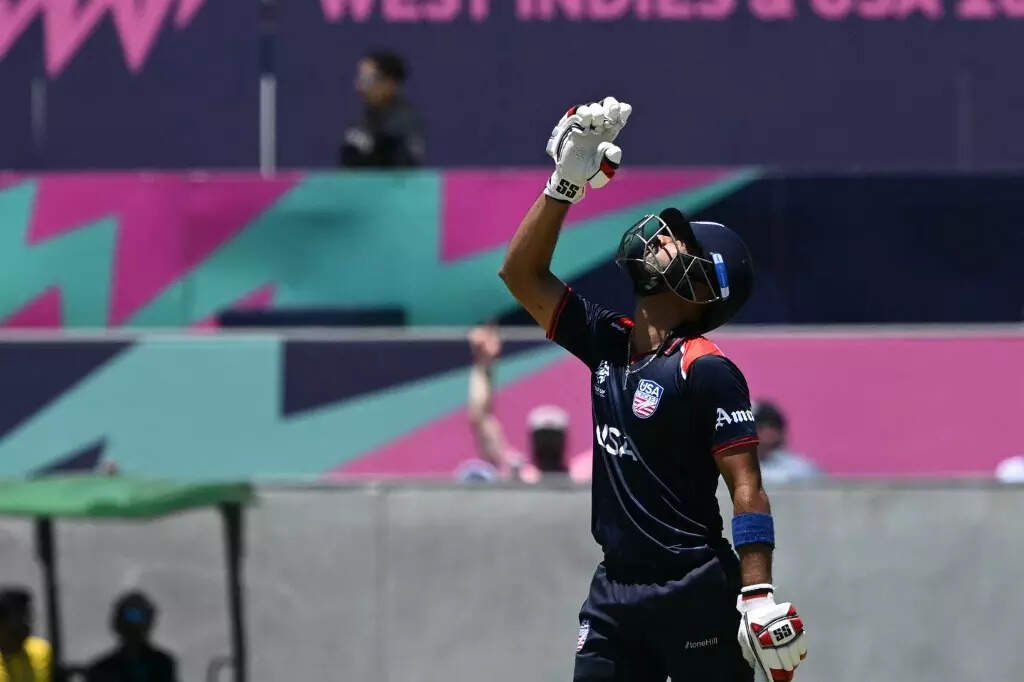
After receiving his green card in 2010, Monanke moved to the United States permanently in 2013. At one point he seriously considered quitting the sport altogether. Instead, he rebuilt his career from the ground up and made his international debut for the United States in 2019 in ODIs and T20Is. Since then, he has been the backbone of the US batting line-up, scoring 2,288 ODI runs at an average of 34.66 with three centuries and eighteen half-centuries. In T20Is, he also scored a century against the Bahamas. Monanke was named captain in 2021 and led the United States to a historic victory over Pakistan at the 2024 T20 World Cup, earning him the Man of the Match award. His performances in Major League Cricket for MI New York, including a career-best 93 runs in 2025, further highlighted his ability to perform in the big moments.Dilpreet Bajwa (Canada) Dilpreet Singh Bajwa has emerged as one of the most exciting young batsmen in cricket and now has the responsibility of leading Team Canada. Bajwa was born in Gurdaspur, Punjab, on January 26, 2003. His early cricket education took place in India. He trained under coach Rakesh Marshal at Government College and studied at Guru Arjun Dev School in Dhariwal, following the traditional age-group path and spending long hours at the nets.
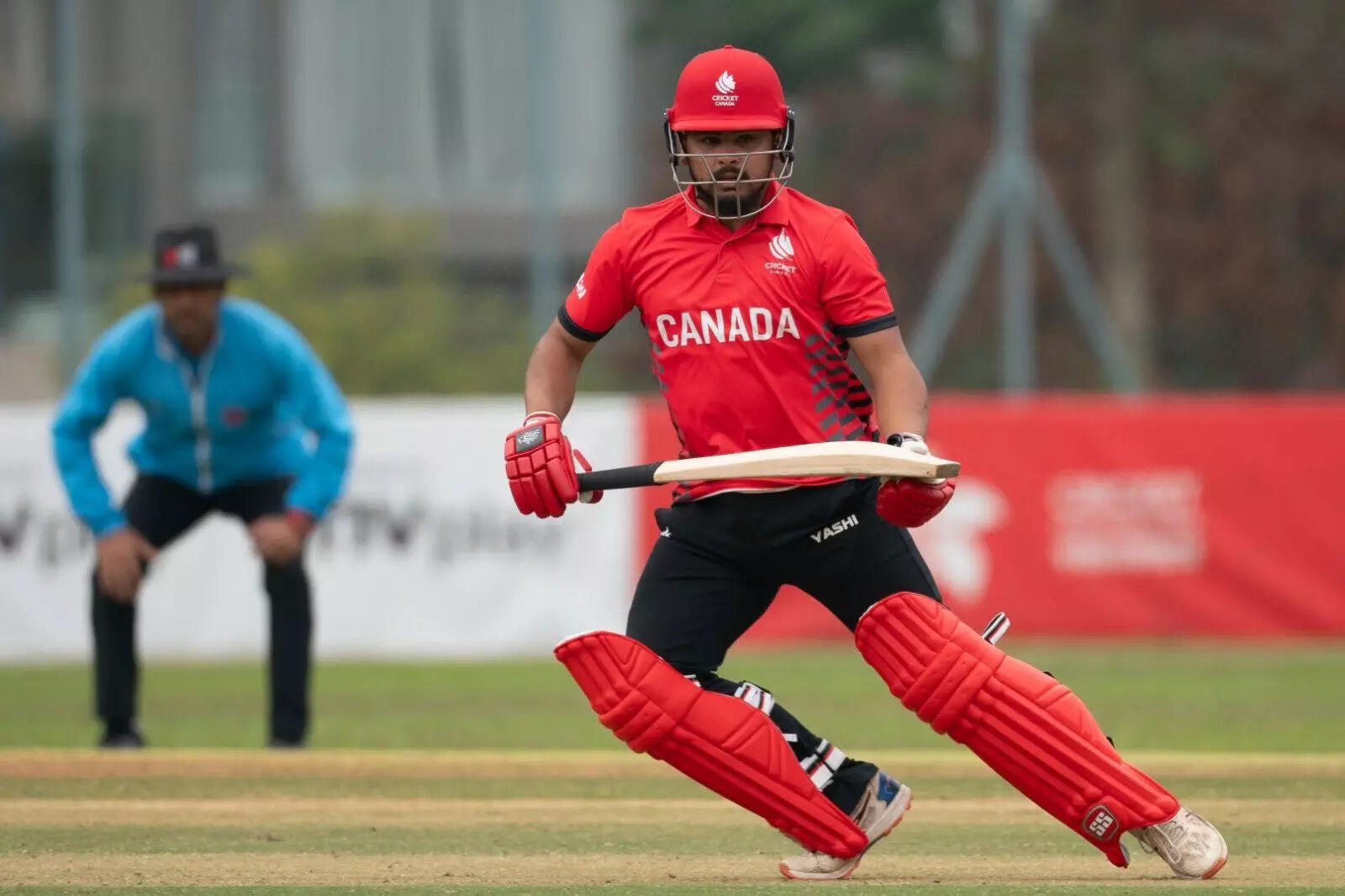
Before leaving India, Bajwa scored an impressive innings of 130 in a U-19 match against Patiala and it was widely expected that his efforts would see him selected for the Punjab U-19 squad. When that opportunity didn’t materialize, his family made a decisive move. In 2020, his family moved to Canada, where his father Harpreet Singh worked in the agriculture department and his mother Harleen Kaur worked as a public school teacher. Bajwa made his T20I debut in September 2023 against Bermuda and in February 2024 against Nepal. In T20Is, he has scored four half-centuries at a strike rate of 133.22. He also made Canadian Global T20 history by becoming the first Canadian to score a century and remained unbeaten with 100 off 55 balls. Bajwa, who was named captain for the 2026 T20 World Cup, is at the heart of Canada’s long-term ambitions.Jatinder Singh (Oman) Jatinder Singh’s rise was born of persistence, not privilege. Born in Ludhiana, Punjab on March 5, 1989, he moved to Oman at a very young age and began his cricketing journey without formal academy support. His early development was on concrete wickets, followed by Astro turf before moving to turf cricket in 2011 – a process that shaped his adaptability.
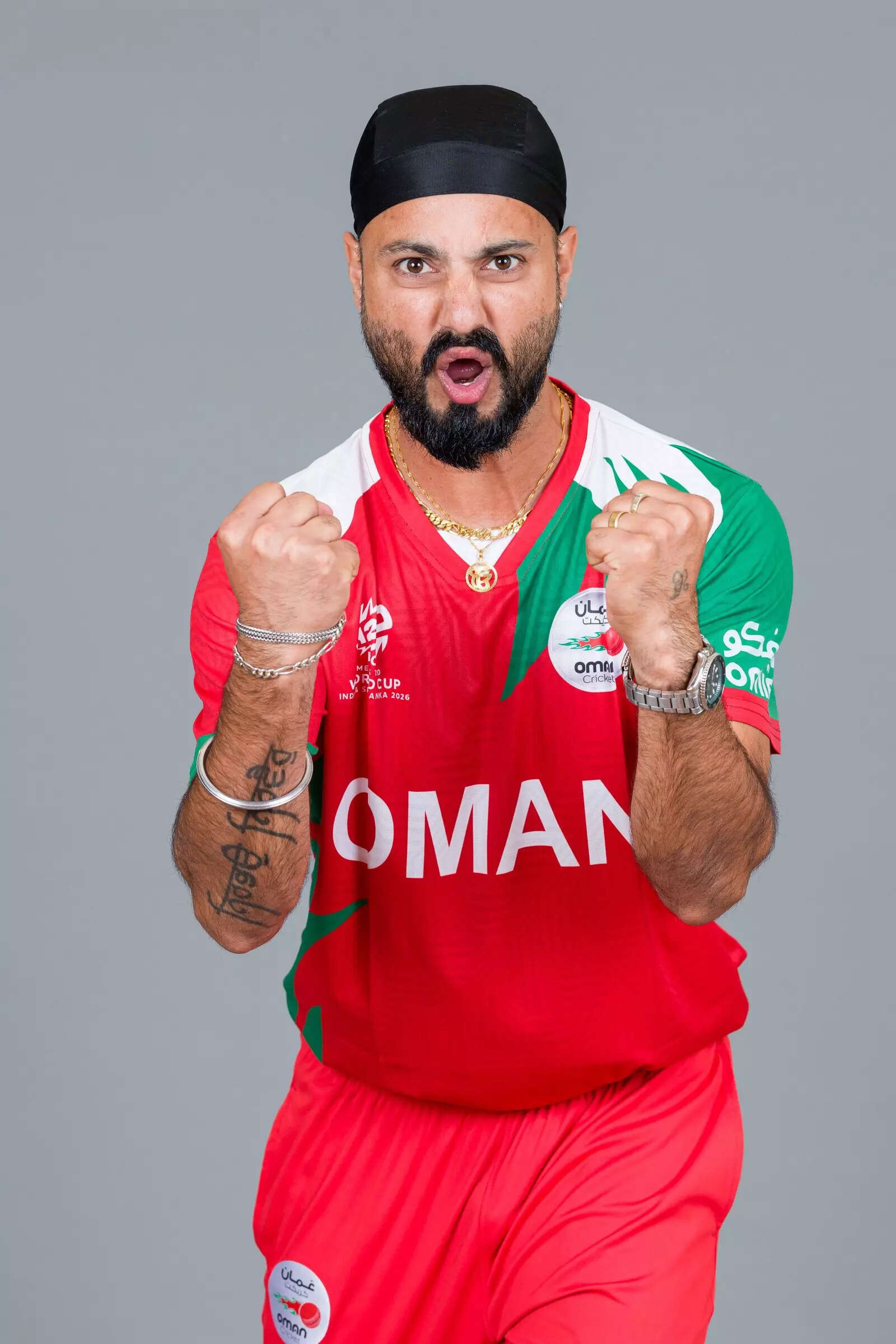
The initial inspiration came from Sachin Tendulkardiscipline, later developed by Virat KohliJatinder has made steady progress within Oman’s domestic structure. A right-handed top-order batsman, he made his T20I debut in 2015 and ODI debut in 2019, quickly becoming a mainstay for the national team. In ODIs, he has accumulated 1,704 runs, including four centuries and nine half-centuries, with a highest score of 118 against Papua New Guinea. In T20Is, he leads Oman’s run-run chart with 1,605 runs in 72 games. Jatinde was appointed captain in 2025 and led Oman to qualify for the Asian Cup for the first time, a landmark moment for both the player and the country. As the T20 World Cup unfolds, these leaders of Indian origin will not only carry the hopes of the team, but also embody the global spread and evolving depth of the modern game of football.