
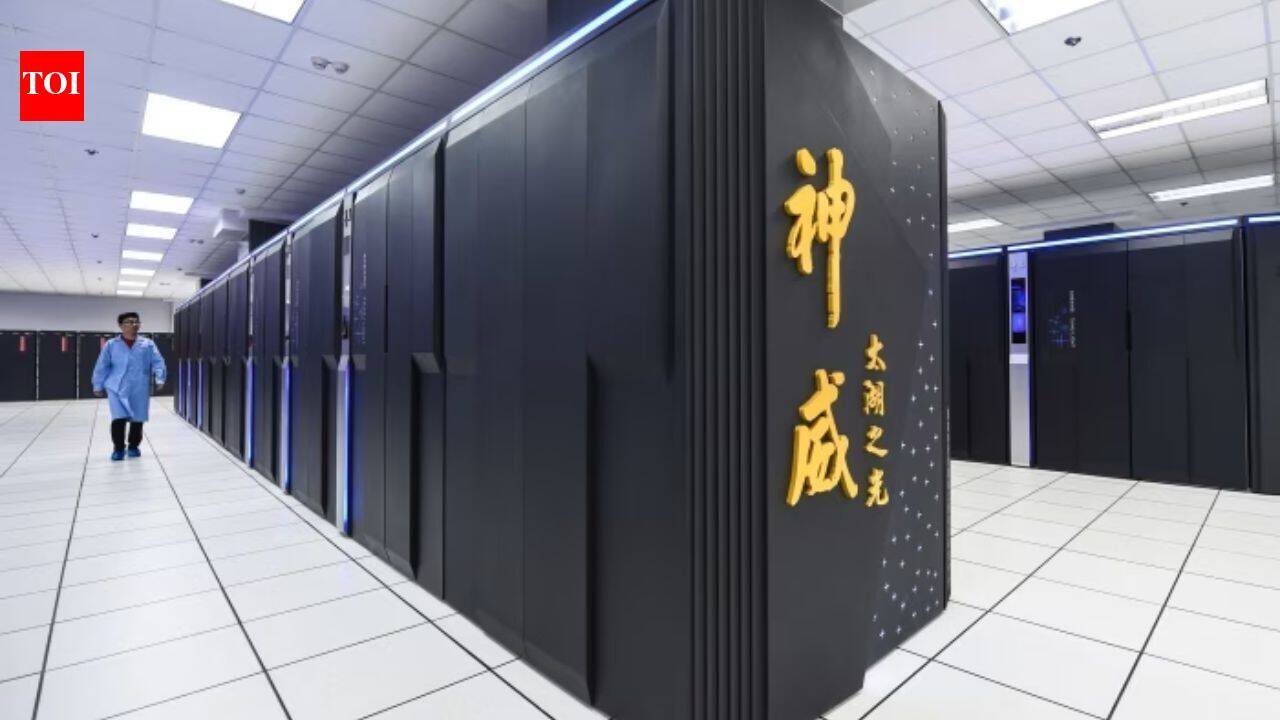
The latest TOP500 ranking results look simple on paper, but once one starts picking through the details, it quickly becomes less so. According to the official TOP500 list for June 2026, a Chinese system called LineShine tops the list, surpassing the long-standing American system that usually dominates the field. The results are interpreted differently depending on who is looking at them. On the one hand, it marks steady progress in domestically produced hardware within China’s research infrastructure. On the other hand, much of modern computing competition has deviated from these traditional benchmarks, which is out of step with reality. The systems most important to AI efforts often don’t appear in the same rankings at all, leaving a gap between headline position and actual capabilities in everyday AI workloads.What “fastest” means is becoming increasingly difficult to pin down. Traditional supercomputers are built for physics problems, weather models, and scientific simulation work that relies on structured numerical processing. These systems still exist and are still carefully measured.
China leads ranking of fastest supercomputers
The TOP500 list has been around long enough to feel like an institution in its own right, a scoreboard of the machines that once defined the frontier of scientific computing. It still measures raw performance using established benchmarks used for physics simulations and large-scale numerical tasks.This time, the LineShine system of the National Supercomputing Center in Shenzhen occupied the top position. It uses domestically designed chips and represents a push for self-reliant hardware development in China’s computing industry. The system pushed Lawrence Livermore National Laboratory’s El Capitan supercomputer into second place.
China’s supercomputing comeback: Export controls, domestic chips and new technology directions
The timing of China’s return to the TOP500 list after several years has attracted attention for other reasons besides the ranking itself. According to Reuters, China has not submitted a system since 2023, a period during which the United States tightened export controls that affected advanced chip technology and manufacturing tools.According to details released at the time of launch, LineShine is designed to avoid reliance on state-of-the-art foreign AI chips. This choice seems to be related to ongoing restrictions that push domestic development in a different direction rather than directly imitating the US hardware stack.In tech circles, the discussion has shifted from whether a machine can occupy the top position to what that position actually represents. Some researchers point out that modern AI clusters, including large systems built by companies like xAI, can exceed the performance of many publicly ranked supercomputers, even if they never appear on official lists.
Why the ‘fastest supercomputer’ debate has become hard to define in the age of artificial intelligence
The idea of a single “fastest supercomputer” has become increasingly difficult to defend without warning. The TOP500 approach remains focused on standardized benchmarks that reward certain types of structured computing. This makes sense when most high-performance computing is concentrated in government labs and universities running similar workloads.Big tech companies now build systems for different tasks entirely, often optimized for neural networks rather than scientific modeling. These machines vary in size, behave differently under load, and are not always compatible with the testing framework used for ranking.As a result, a system like LineShine can occupy the top spot on a recognized list while remaining outside the most relevant conversations about AI performance. The gap between these two realities is where most of the competition currently lies, even if it rarely appears on official tables.