
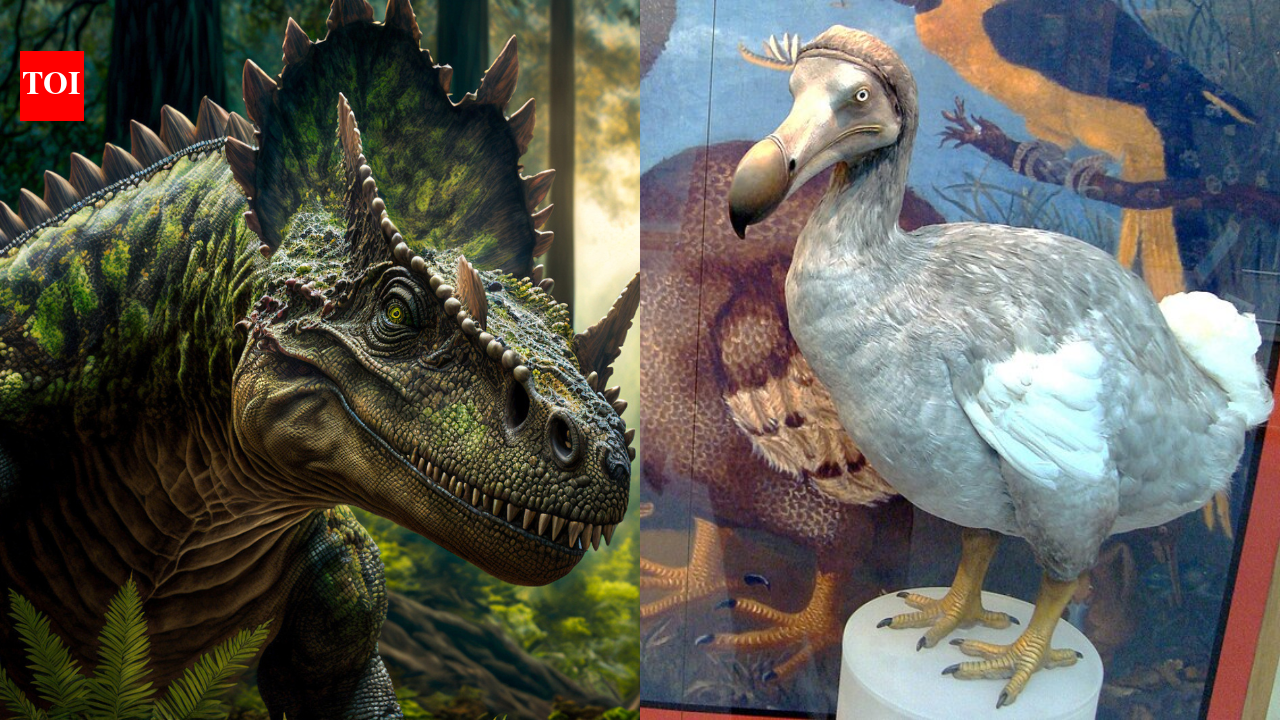
Dinosaurs have always existed in the human imagination. Whether it’s through blockbusters like Jurassic Park or attempts to exterminate modern animals like the mammoth, the dodo, and the dire wolf, humans still seem to have an interest in bringing extinct life back to life. In light of continued research into this possibility, the scientific and biotechnology communities are discussing the potential to reverse extinction using advanced technologies such as genetic engineering and cloning, and even clustered regularly interspaced short palindromic repeats (CRISPR) technology. Factors attracting humans to resurrect extinct species include curiosity, nostalgia, scientific ambition and even climate concerns. In addition to all these positive aspects, there are ethical considerations regarding biodiversity and human interference in natural processes.
Humanity’s Enduring Fascination with Dinosaurs and Dinosaurs Extinction Rebellion
Since ancient times, humans have been attracted to gigantic animals, and nothing fits that definition better than dinosaurs. Prehistoric beasts have become part of our culture through books, movies and museums, which feature large skeletons of these animals. Many people view dinosaurs as symbols of awe, dominance and transcendence in the civilized world.The movie “Jurassic Park” was the beginning of a revolution in public opinion. It paints the exciting prospect of bringing back prehistoric animals through scientific manipulation of ancient DNA. While everyone accepts that since dinosaur DNA degrades over time, it cannot be restored, the idea itself has fueled public interest in anti-extinction science.Biotech companies like Colossal Biosciences are already trying to use genetics to revive some extinct animals, such as the mammoth, dodo and thylacine. According to interview reports natureColossal Biosciences CEO Ben Lamm noted that at a time when biodiversity levels are declining, the company was inspired to take on the task of inspiring future generations.
Why scientists want to resurrect extinct species
The concept of Extinction Rebellion can no longer be relegated solely to the realm of science fiction. Experts from MUSE: Museum of Science, Trento, Italy, Emphasizes that such technologies can be used for ecosystem restoration and endangered species conservation.Among different possibilities, experts consider cloning, genome editing and stem cell research as potential options to achieve the goal of extinction. Some scientists also suggest that reintroducing animals may help improve biodiversity and ecological balance.For example, Wyss core faculty George’s ChapelThe Harvard geneticist and co-founder of Colossal Biosciences, who discussed reviving extinct species and reintroducing them at a TEDx conference organized by National Geographic, made multiple claims about how gene-editing technology can protect living species. Therefore, innovations used for extinct species may also help protect endangered living animals.Beyond this, emotional motivations cannot be ignored when considering revival issues. Humans are the cause of species extinction by destroying their habitats, hunting them, and triggering global warming. As a result, some experts believe humans have a moral obligation to reverse what has happened. Bin Ram also emphasized that humans should take any action to deal with the negative impacts of human factors.
around dinosaur resurrection and de-extinction
Despite the enthusiasm for the resurrection of extinct species, most scientists do not believe in resurrection. Some researchers claim it would steal valuable resources that could be used to protect currently endangered species.Although a scientist from University at Buffalo Department of Biological SciencesVincent J. Lynch believes that resurrected animals would have difficulty surviving in modern environments because of the significant evolution that has occurred since these species became extinct. Animal welfare, commercialization, and the unpredictable effects of creating GMOs are additional ethical concerns.There is also a fact that cannot be ignored: dinosaurs cannot be resurrected because they have existed for millions of years. The DNA of extinct species was damaged and could not be preserved; therefore, there are no dinosaur genomes left in the modern world. Most “anti-extinction” attempts target recently extinct animals with well-preserved genomes.Nonetheless, fascination with the idea of resurrecting dinosaurs continues because it appeals to people and represents some kind of human need to repair losses, conquer nature, and relive ancient life.