
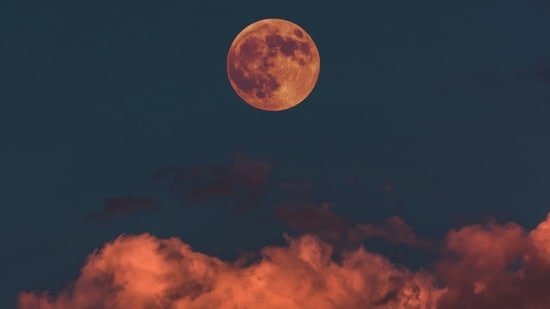
this July buck month will light up the night sky on Wednesday, July 29, marking the second full moon of the northern hemisphere summer and the eighth full moon of 2026. Although the moon officially reaches full at 10:37 a.m. ET, the best time to view it is during moonrise after sunset, when it appears large and orange near the horizon.
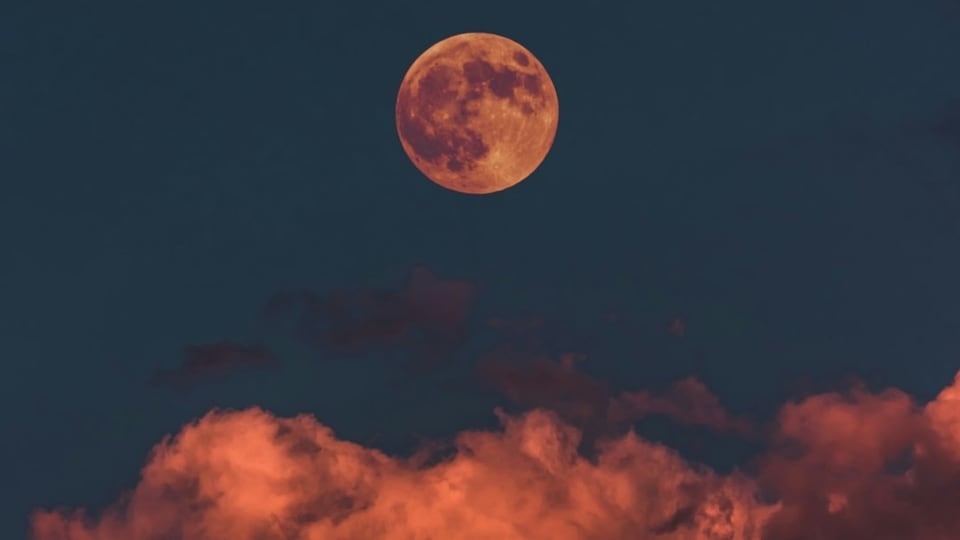
The Buck Moon occurs two weeks before the total solar eclipse on August 12, making it one of the most anticipated sky events of the summer.
Also read: July Buck Moon 2026: When is the Full Moon? How do you observe it spiritually?
When and where to see the Buck Moon?
Full moons occur at the same time all over the world. However, at the exact time of the full moon, it will be below the horizon over much of North America.
Instead, astronomers recommend viewing it shortly after sunset, when it rises above the eastern or southeastern horizon. The moon appears larger and takes on a golden or orange hue.
Moonrise times vary by location, according to Forbes and Time and Date. Some major cities include:
- New York City: 8:33 PM EDT
- Los Angeles: 8:18 PM PDT
- Chicago: Approximately 8:27 PM CDT
- Houston: Approximately 8:20 PM CDT
- Phoenix: Approximately 7:45 PM MST
- Toronto: Around 8:40 p.m. Eastern Daylight Time
Residents can use their postal code to see the exact moonrise time U.S. Naval Observatory, time and date networkor your local weather service.
Forbes cites expert advice on choosing a southeastern location with higher ground and a wide view. Trees, hills, and tall buildings can delay the Moon’s first visible appearance by several minutes.
Also read: Life may change for 5 zodiac signs during the Buck Moon, according to astrologers
Why is it called the “Stag Moon”?
The July Full Moon is named for the antlers that grow annually on North American stags, or stags. During July, the buck begins to grow a new set of antlers covered in soft velvet.
Buck Moon was one of several traditional names retained by Aboriginal communities and later adopted in the Farmers’ Almanac.
Other names for the July Full Moon include:
- salmon month
- Thunder Moon
- raspberry moon
- There is a moon
- mead moon
- vanilla moon
- Walter Moon
- claim the moon
The names reflect seasonal harvests, weather patterns and wildlife in different cultures.
Why does the Buck Moon appear orange?
Many skywatchers have noticed that the moon appears orange or golden when it rises. According to Forbes, this is caused by Rayleigh scattering, the same phenomenon that causes colorful sunsets.
As moonlight passes through more of Earth’s atmosphere near the horizon, the shorter blue wavelengths are scattered in different directions. The longer red and orange wavelengths travel more directly to the observer, giving the Moon a warm appearance.
As the moon climbs higher into the sky, this effect fades away, reverting to the familiar white or yellowish color.