
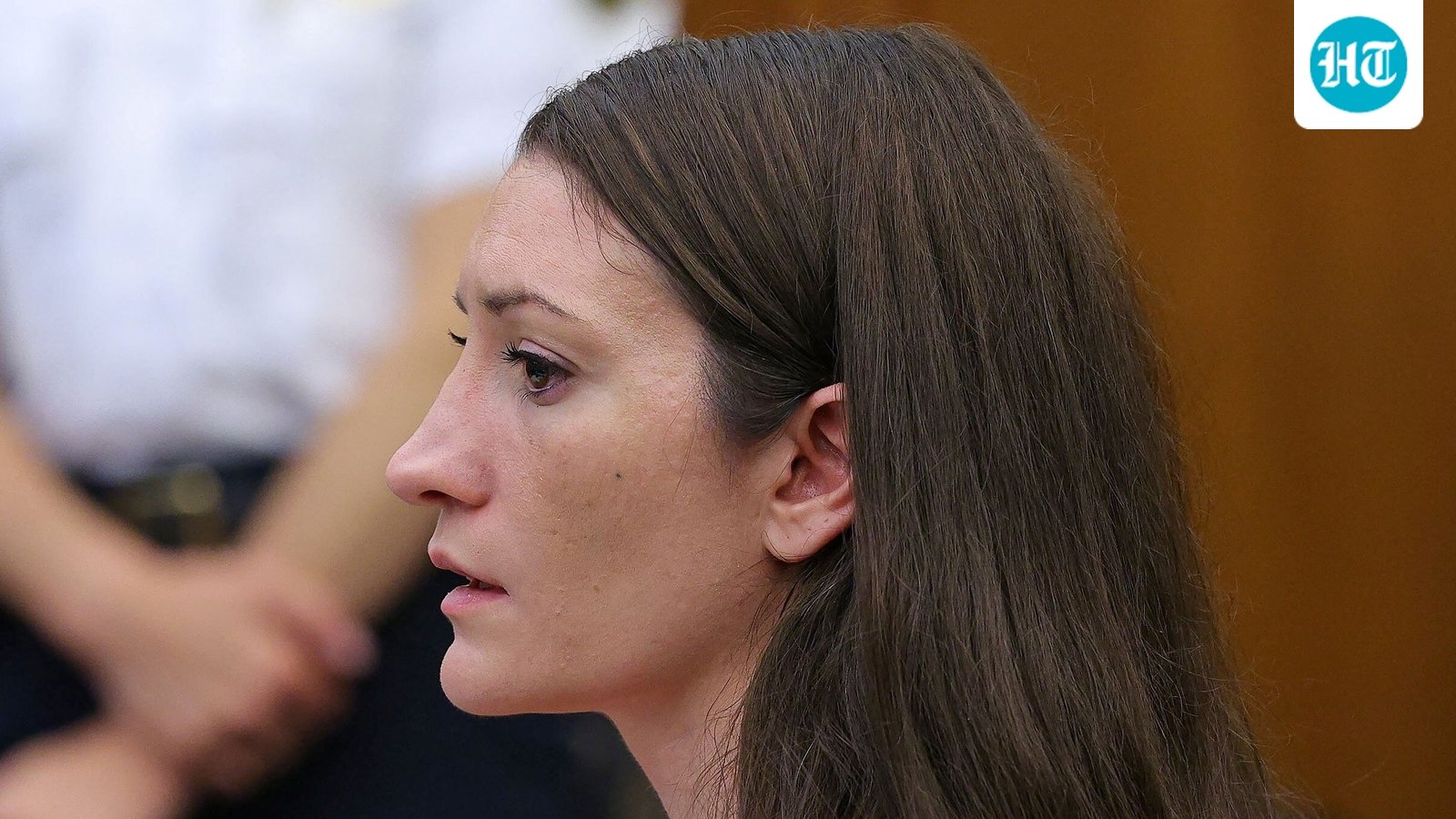
Lindsay Clancy’s vocal, physical and written messages offered key insights into her perspective during her trial. The Massachusetts mother, accused of killing her three children, has not taken the stand, but she did communicate in several ways at her murder trial this week, CNN reported.
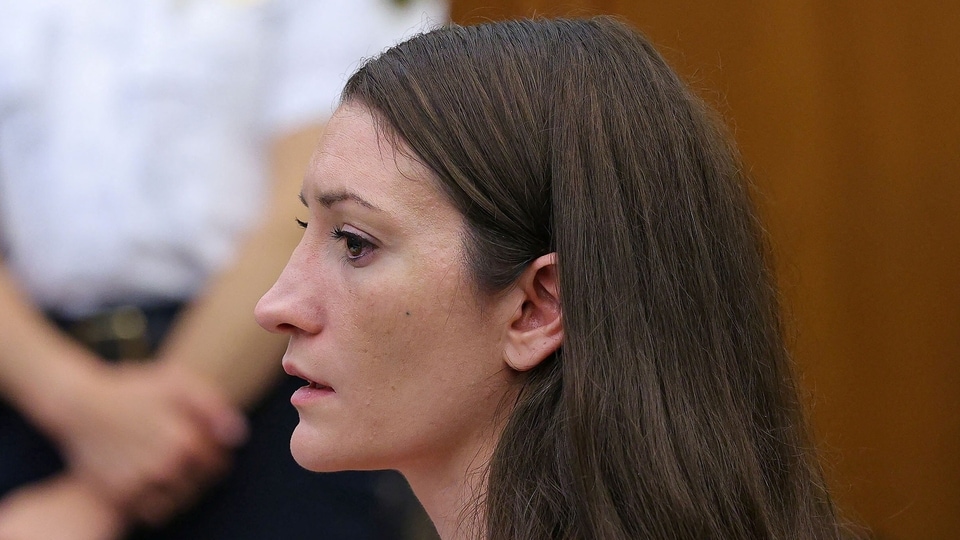
Lindsay vocally answered the judge’s questions about a legal issue, which were her first audible words in the trial. She was seen sobbing and shaking during difficult testimony about the autopsy of her infant son. Most importantly, her diary entries about her parenting stresses and postpartum issues, which were read aloud in court, offered insights into her mental health at the time of the murders.
What did Lindsay Clancy’s personal journals indicate?
During the trial, jurors were presented with excerpts from Lindsay’s personal journals and extensive medical records that detailed her increasing struggles with profound insomnia, anxiety, and overwhelming parenting stress.
Also Read | Lindsay Clancy murder trial: 5 bombshell takeaways from second week testimony, ‘Shut her up’
Mental health professionals who treated her in the months leading up to the crime testified about her reported despair and intrusive thoughts. Family members, on the other hand, described her behavior as increasingly withdrawn.
Lindsay is facing three counts of murder in the killings of her children Cora, 5; Dawson, 3; and Callan, 8 months. The proceedings in a Plymouth, Massachusetts, courtroom also included Lindsay’s physical injuries from her suicide attempt.
According to prosecutors, Lindsay, 35, “acted intentionally, rationally and swiftly” when she fatally strangled her three children at their Duxbury home on January 24, 2023. Her defense attorneys, on the other hand, argued that she is not criminally responsible because she was in the midst of a psychotic episode that stemmed from postpartum mental illness.
Attorneys read aloud some of her diary entries about her deteriorating mental health while caring for her three children.
“It’s like I’m so desperate to get a mental break from taking care of everyone that my mind is trying to make something physically wrong with me,” she wrote.
Lindsay also wrote that she felt “guilty” and was struggling to sleep-train Callan.
“I want help. I want to be well,” she wrote.
Prosecutors said that after the murders, Lindsay cut her wrists and neck and jumped from a second-story window. This left her partially paralyzed.
Lindsay was first taken to South Shore Hospital and then transferred to Brigham and Women’s Hospital in Boston for treatment. She had a thoracic spine injury from her fall. However, the cuts on her neck and wrists were considered “superficial,” said Dr. Kelly McDonough, a physician at South Shore Hospital. Physician associate Eitan Negri said that the cuts on Lindsay’s wrists required several sutures.
Once Lindsay was moved to Boston, she went into cardiac arrest and had to be revived with CPR and chest compressions, ICU nurse Rachelle Amedee said. She received several blood transfusions.