
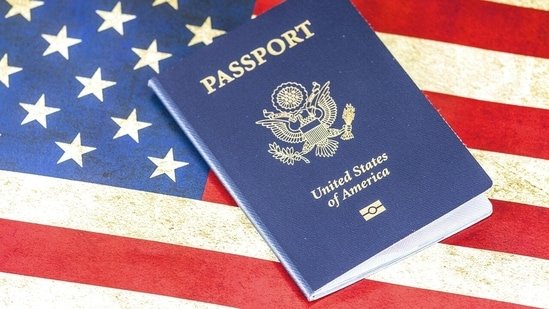
this USA Government proposes to significantly increase the minimum wage that employers must pay when hiring foreign workers H-1B Visa Program. The administration says the change is a long-overdue step to protect American workers.

The proposal was proposed by the U.S. Department of Labor on March 27 and is currently seeking public comment until May 26. However, the move could severely impact hiring in the U.S. technology industry.
What are the specific proposals?
The new rules are said to aim to increase the minimum wage for four categories of foreign workers, from entry-level to the most experienced workers, by about 30% from the previously fixed limit. Looking ahead to business.
Under the current system, the prevailing salary for a junior worker is US$ 73,279 per year, for a Class II worker it is US$ 98,987, for a Class III worker it is US$ 1,21,979 and for a Class IV worker it is US$ 1,44,202.
The new wages would see those numbers rise significantly under proposed rules to “improve wage protections for temporary and permanent employment of certain aliens in the United States.” Entry-level salary will rise to $97,746, an increase of 33.39%. Level II salary will rise to $1,23,212, an increase of 24.47%. Level III will rise to $1,47,333, an increase of 20.79%; Level IV will rise to $1,75,464, an increase of 21.68%. But it’s worth noting that prevailing wage levels vary from city to city.
These changes will apply to the H-1B, H-1B1, E-3 and PERM labor certification programs.
Also read: Federal and state gas taxes per gallon explained: How much do you really pay?
The government’s core argument is that existing wage levels were established 20 years ago and have not been revised since, allowing employers to legally pay foreign workers significantly less than their U.S. counterparts in equivalent positions, the Outlook reported.
The debate over wage rules and what happens next
The proposal received mixed responses. according to business today supporters see it as a necessary correction to a wage floor that has been frozen for two decades. However, critics warn that if the higher salary threshold comes into effect, small companies may no longer be able to hire foreigners for entry-level positions.
Also read: Fernando Mendoza is secretly a Trump supporter? U.S. president gives up major claims
This is not the first time such a change has been proposed. According to OYoushi BusinessDuring his first term, the Trump administration attempted to change prevailing wage levels for 2020 without prior notice or public input. However, the move faced legal challenges and had to be withdrawn. This time, the government is following a formal public consultation process.
In addition, last year the government had imposed a $100,000 fee on H-1B candidates outside the United States through a presidential decree issued on September 19, 2025. The order also directs the Secretary of Labor to initiate a rulemaking proceeding to modify prevailing wage levels
Once the public comment window closes on May 26, the Department of Labor will review responses before announcing the final rule.