

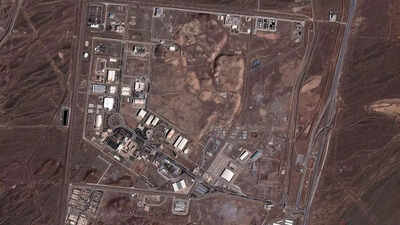
This satellite image provided by Vantor shows an overview of damage to new buildings at Iran’s Natanz nuclear facility. (Photo credit: AP)
Newly released high-resolution satellite images reveal the scale of damage caused by recent U.S. and Israeli attacks on multiple sites in Iran, including nuclear, military and leadership-related facilities.The United States struck more than 1,250 targets in the first two days of Operation Epic Fury, according to a fact sheet from U.S. Central Command (CENTCOM), which said its strikes were “intended to dismantle the Iranian regime’s security apparatus and prioritize locations that pose an imminent threat.”
Natanz nuclear facility
Tehran’s special envoy to the United Nations nuclear watchdog confirmed that Iran’s Natanz nuclear facility was one of the sites attacked in the latest round of operations by the United States and Israel.The U.N. nuclear watchdog said on Tuesday that Iran’s Natanz nuclear enrichment facility had suffered “some recent damage” in an airstrike, but added that the strike “is not expected to have radioactive consequences.”The International Atomic Energy Agency (IAEA) said the damage was concentrated in the “entrance building” in the underground part of the atomic energy base.The Institute for Science and International Security said satellite images produced by Colorado-based Vanto showed two attacks on entry points to the underground uranium enrichment plant at Natanz.
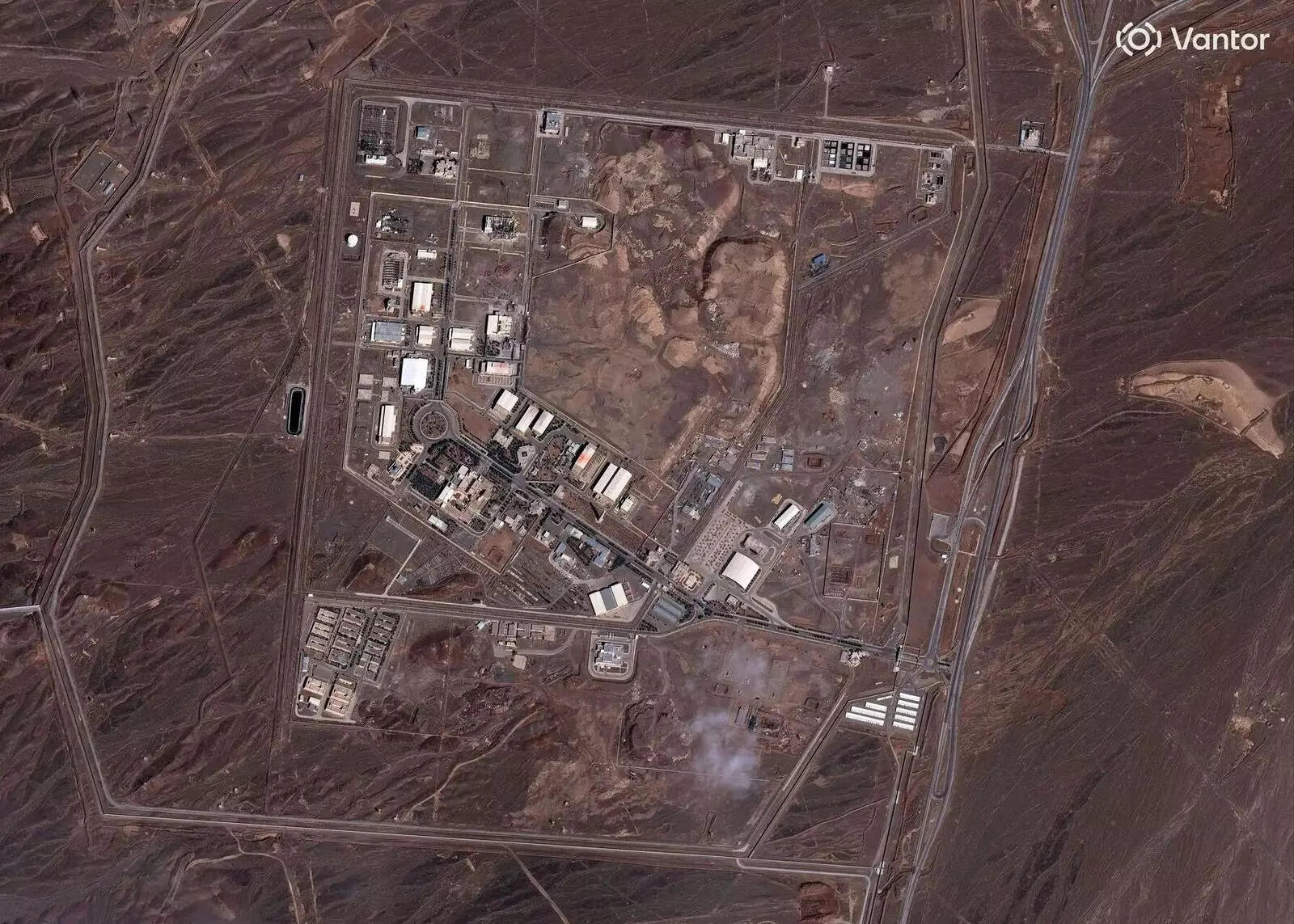
Satellite images show damage to Iran’s Natanz nuclear facility. (Photo credit: Vantor)
David Albright, a former U.N. nuclear inspector and founder of the institute, said images showed three buildings in Natanz had been destroyed.According to Albright’s report, two of the destroyed buildings were personnel entrances to underground halls that housed thousands of centrifuges, machines used to enrich uranium for use in electricity generation or, depending on the level of enrichment, for weapons use. The third building reportedly covers the only vehicle access ramp to the underground hall.The report noted that while a U.S. attack last June rendered the halls unusable, recent attacks may indicate that the halls still contain “recyclable centrifuges” or other related equipment.

IAEA Chairman Rafael Grossi told a meeting of the agency’s 35-nation board of governors that the agency had no indication that “any nuclear facilities … have been damaged or attacked.” Soon after, Iranian representative Najafi told reporters outside that Natanz had been attacked.“Yesterday they attacked Iran’s peaceful, protected nuclear facilities again,” Najafi said. When asked which facilities had been attacked, he replied: “Natanz” before leaving.The new attacks come as tensions rise over Iran’s nuclear program. The United States and Israel are concerned that Iran is too close to eventually developing a nuclear bomb, but Tehran has repeatedly denied this and insisted that its nuclear activities are for civilian purposes.
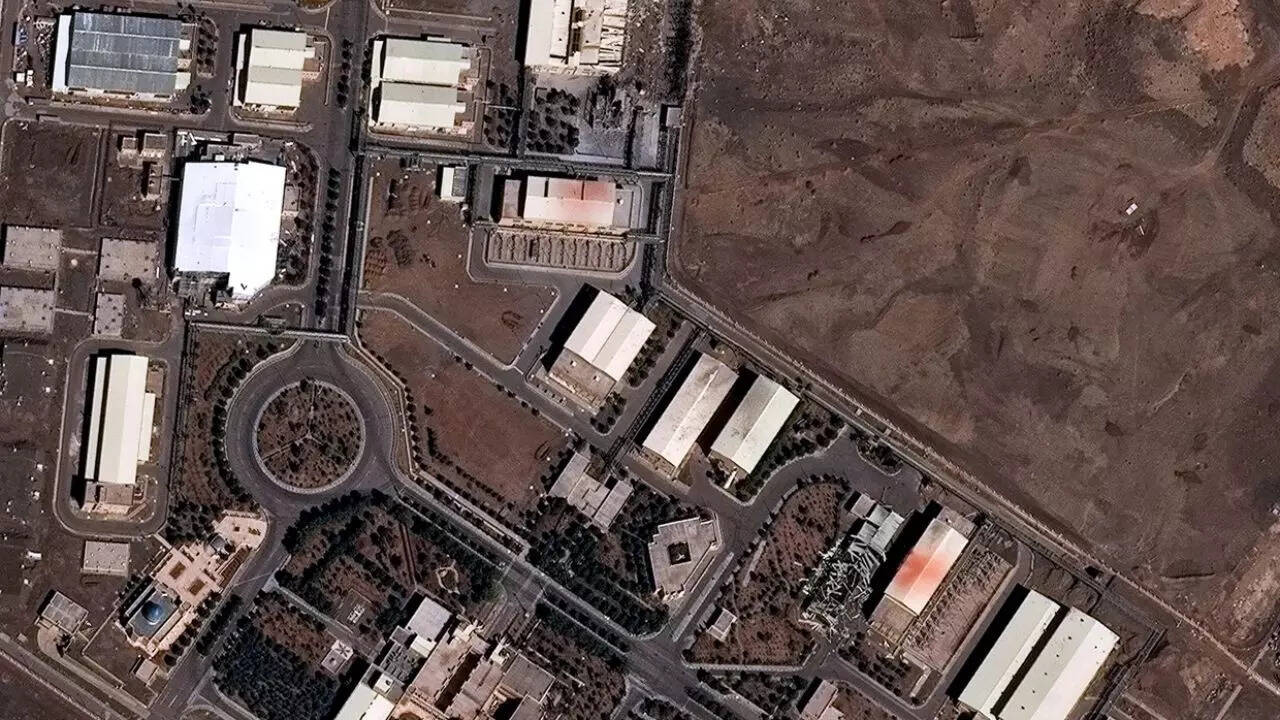
Satellite images show damage to Iran’s Natanz nuclear facility on March 2. (Photo credit: Vantor)
Attack on Khamenei compound in Tehran
Satellite images also showed extensive damage to the official residence of Iran’s Supreme Leader Ayatollah Ali Khamenei in Tehran following an attack earlier on Saturday.Images showed multiple collapsed buildings, widespread structural damage and plumes of black smoke rising from secure government buildings.
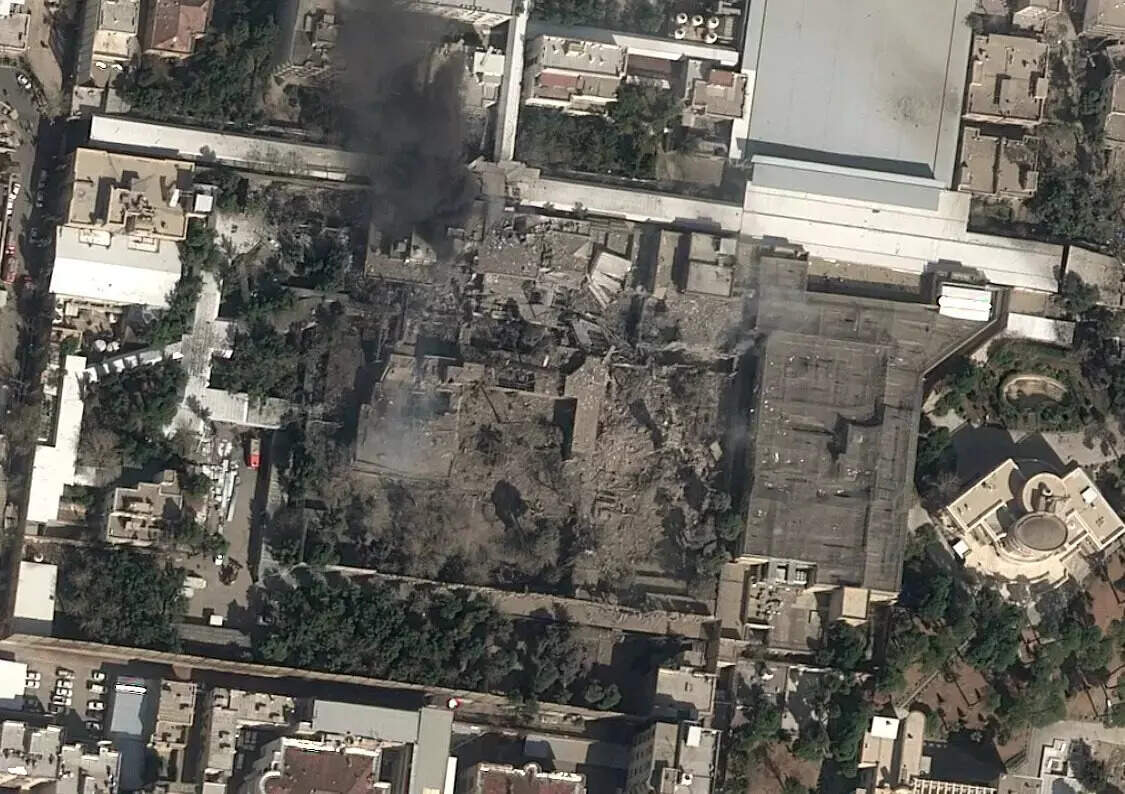
Satellite image of Ayatollah Ali Khamenei’s residence in Tehran (Photo credit: Vantor)
Several key buildings in the compound, long used as Khamenei’s main official residence and center for leadership functions, appear to have been severely damaged or destroyed.According to reports, Khamenei and about 40 other senior Iranian officials were killed in the initial attack.The CIA has been tracking Khamenei’s movements for months and learned he was expected to attend a meeting at the Tehran compound on Saturday morning, a person familiar with the matter told CBS News.
Damage to Iranian military facilities
Commercial satellite imagery also showed severe damage to multiple Iranian military installations, including aerial, drone and naval facilities near the strategic port city of Konarak. The images, collected by US space intelligence company Vantor, show precision strikes against hardened military infrastructure on Iran’s southeastern coast in the Gulf of Oman.
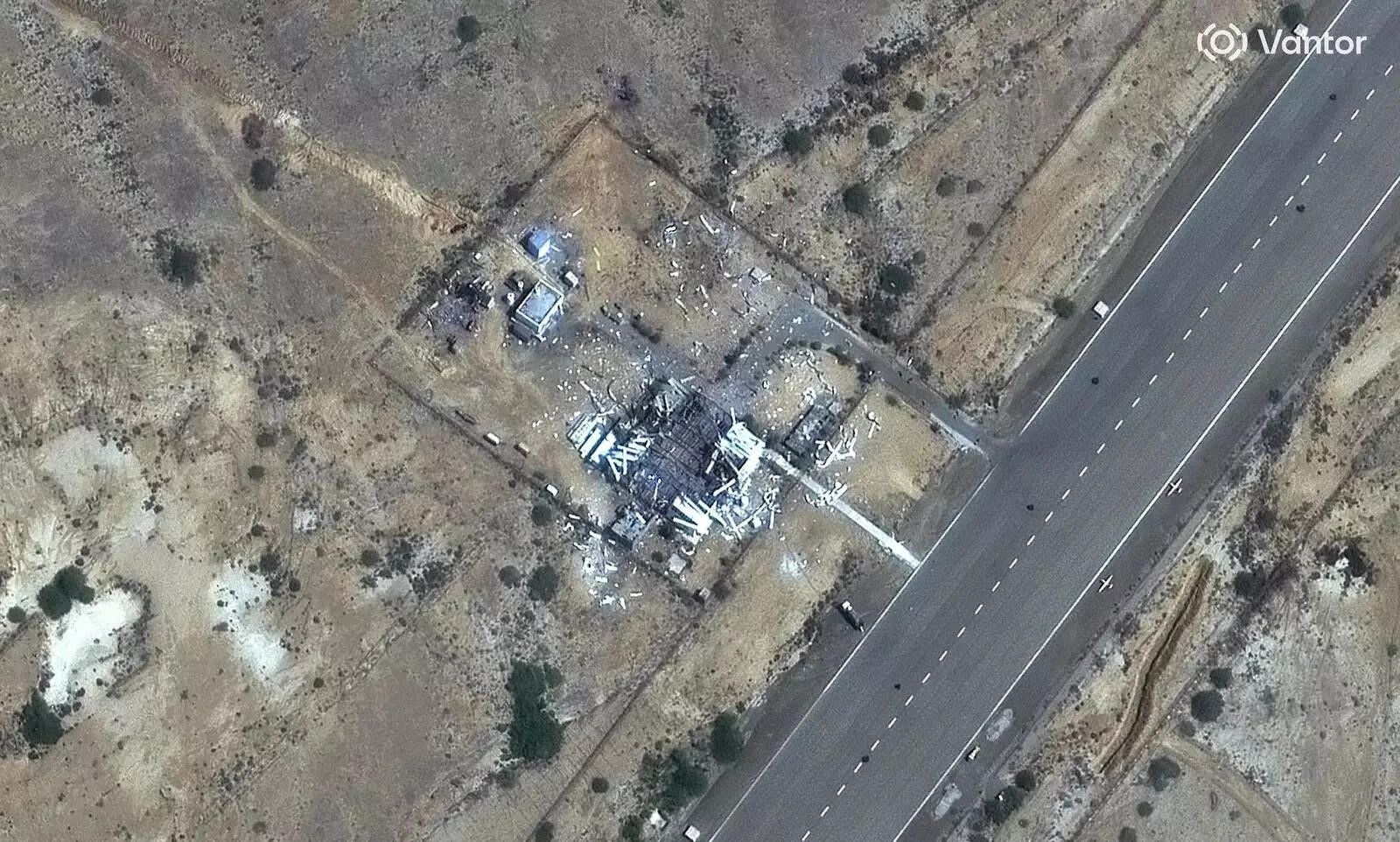
In this satellite image provided by Vantor, damaged drone buildings at the Konark drone base (Vantor satellite image via AP)
At Konark Air Base, satellite images showed several fortified aircraft shelters with dark burn marks and obvious structural damage on their roofs and surrounding areas. Adjacent combat areas also appear to have been affected, while the portion of the runway in the image remains largely intact.
Choqa Balk-e Drone Facility
The Choqa Balk-e drone facility in western Iran was also attacked. It is understood that Iran has deployed Shahed-136 “Kamikaze” drones, which are one-way attack drones equipped with built-in warheads that explode upon impact.
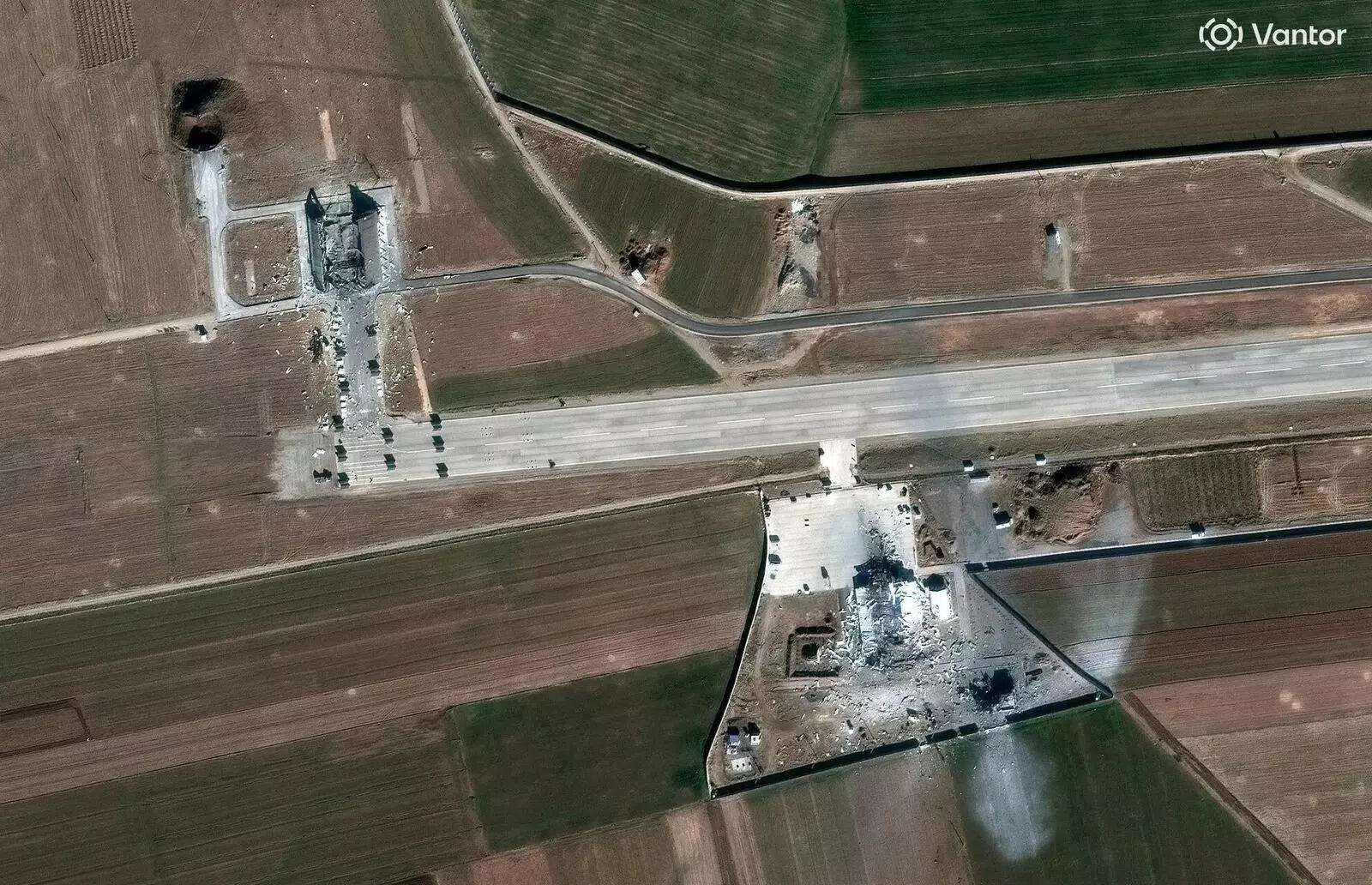
This satellite image provided by Vantor shows airstrikes destroying buildings and equipment at the Choqa Balk-e facility drone base.
Satellite images show significant damage to the site, which has been linked to the production and operation of Iranian drones.The latest wave of attacks marks a major escalation in the conflict, with U.S. and Israeli forces targeting military, nuclear and leadership-related infrastructure across Iran as part of Operation Epic Fury.