

Underground cave: An 8,000-year-old underground cave in southern Europe hides a mystery: people enter and never come back | World News

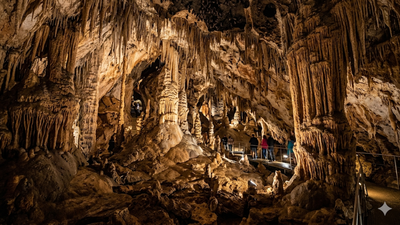
Another case study is a mysterious underground cave system in southern Europe. Scientists have found clues that people used this cave system about 8,000 years ago, but then disappeared without a trace, which has baffled archaeologists. The mysterious cave site, linked to Neolithic rituals, human bones, underground tunnels and primitive burials, has once again become a focus of discussion among archaeologists trying to unravel the history of ancient civilizations and cave studies. Scientists believe that the cave system may not have been a dwelling but a place where certain rituals were performed, as human bones and other artifacts have been found in its deepest parts.
8,000-year-old cave system that baffles archaeologists
The mystery involves the existence of large underground cave systems in different parts of modern-day Spain and southern France, where archaeological excavations have unearthed evidence of human activity dating back nearly 8,000 years. One of the famous examples includes the Cueva de los Murciélagos cave system in Andalusia, Spain, where well-preserved human remains and artifacts have been discovered in hard-to-reach areas within the caves.Archaeologists have found baskets woven from plants, wooden utensils, leather sandals, and even skeletons that survived the cave’s arid environment. As reported in the study’The first evidence of early Neolithic archery in Cueva de los Murciélagos (Albuñol, Granada) is revealed through a combination of chemical and morphological analyses.Published in the journal Nature, some of the objects found in the cave are believed to be among the earliest basketry objects in Europe, existing around 9,500 years ago. The discovery shows that ancient Neolithic tribes frequently visited dangerous cave systems, despite the dangers associated with darkness, uneven surfaces and lack of oxygen.In the study, the researchers noted:“The cave’s special preservation conditions allowed for the recovery of perishable materials, which is rare in prehistoric sites.” As the researchers went deeper into the cave, more strange discoveries emerged.
Why did ancient people venture deep underground?
One of the main questions about prehistoric cave systems is the reason ancient tribes moved deep into the caves, which can be dangerous to enter. Scientists suspect the caves may have religious significance rather than practical use.In most underground cave systems, the remains of human bones have been found in isolated chambers where there were no signs of life. Researchers who study Neolithic burials say caves symbolized portals to another realm or sacred places associated with rebirth and death.For example, sites such as the Cueva de Nerja Cave in Spain and the Lascaux Cave System in France contain traces of ancient paintings, tools and ritual objects used by ancient tribes deep within the caves. Some rooms in these cave systems require people to crawl several meters through dark tunnel corridors.according to Professor Bruno BursteinA bioarchaeologist who has studied Neolithic burials says caves are often associated with “complex funerary customs and symbolic behavior” among ancient tribes.
Chilling disappearance theory behind underground mystery
The concept of people disappearing in these cave systems is based on the discovery of lone skeletons and bones, but no idea why they died. Some scientists believe cave collapse, lack of oxygen or getting lost inside may have contributed to their deaths.However, it is also believed that some people were buried in these caves through rituals and even sacrifices. Archaeological evidence from Neolithic caves suggests that bodies may have been buried and even returned in time multiple times.Some caves show signs of being entered multiple times, with traces of torch soot and footprints preserved in hardened clay dating back thousands of years. Children likely participated in such expeditions, and traveling through these tunnels was extremely dangerous before the invention of artificial light.Caves systems were more important than simply providing shelter, as they held great symbolic value to ancient cultures.
Why ancient cave mysteries still fascinate scientists
Since we know so little about prehistoric belief systems, these underground mysteries are extremely curious. Archaeologists can examine fossils, tools, and strata, but many mysteries remain about why these dangerous underground journeys occurred.Now, scanning technology and DNA testing allow scientists to trace the paths that early humans took through these underground cave systems. However, most of them remain undiscovered due to possible flooding and cave collapse.From a scientific perspective, caves are a window into the emotional and spiritual aspects of early human life. For others, they represent a horrifying fact: Thousands of years ago, early humans voluntarily went underground, but not all of them came back.


