
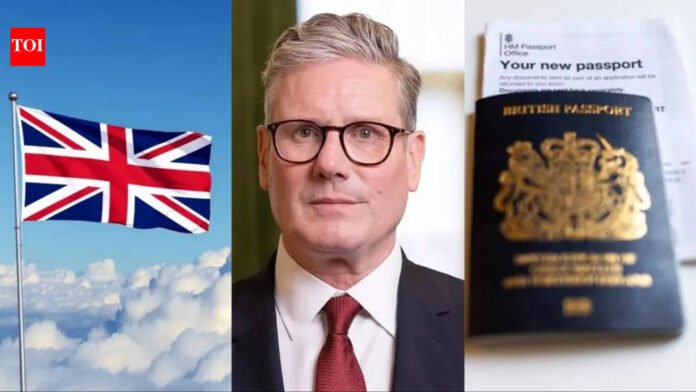
Britain’s controversial new border system is due to come into force on February 25, 2026, drawing sharp criticism from campaigners, legal experts and campaign groups who say it discriminates against women and dual nationals living abroad. The policy, introduced by the Home Office, requires all British dual citizens to enter the UK with a British passport passport Or attaching a pricey “certificate of rights” worth almost £589 to another passport, sparking widespread uproar and accusations of unfair treatment.Under the rules, dual nationals trying to travel to the UK using only a non-UK passport, even if they have valid citizenship, may be denied boarding by airlines, ferries or international trains if they cannot produce a British passport or expensive certificate of entitlement. Critics have called the policy a “tourist denial machine” that effectively treats British citizens as foreign tourists unless they hold specific documents. The Home Office argued the change was part of wider border digitization efforts to increase security and streamline entry processes, but campaigners insisted miscommunication and logistical burdens faced by affected travelers were adding to confusion and causing unnecessary distress.
How Britain’s new border rules will work and who will be hit hardest
The essence of the reform is simple: from late February, citizens with dual British nationality will no longer be able to enter the UK solely on the passport of another nationality. Following past practice, many dual nationals, such as those holding a British and Greek, Spanish, French, Australian or Canadian passport, could choose which passport to use when traveling. However, upcoming regulations will require airlines to use a British passport or expensive certificate to verify residency, meaning those without a British passport may be turned away at check-in. This has caused considerable anxiety among the expat community, particularly in countries such as Spain and Greece where naming conventions differ from the British format. In Greece, a married woman can legally keep a maiden name that is inconsistent with her British passport, as Greek law does not allow name changes after marriage, while in Spain, official documents often include both the patronymic and maternal surnames, which are longer and have a mismatched structure compared to British passports. Campaigners say the mismatch disproportionately affects women, as those countries’ naming traditions often result in women’s documents being named differently than British passports.Julia Cross, a representative of the Greek grassroots organization “British”, believes that many women are not aware of the deadline and the specific content of the new requirements, and that the name alignment directive is unfair to them. “A lot of people don’t know they have to get a second passport,” Cross told the outlet, adding that the name rule “only affects women” and could make simple travel unexpectedly distressing. She and other campaigners called on the government to provide a three-month transition period and clearer communications to mitigate what they said were discriminatory impacts.
Discrimination claims under new UK border rules: legal and ethical debate
Activists and legal commentators frame the debate not just as an administrative tweak but as a broader civil rights issue. Many believe that tying the right of entry so closely to a specific document disadvantages citizens who have no practical way of complying, especially when their home country’s civil registration or passport laws make changing a name complicated, time-consuming or legally untenable. Women whose names frequently change after marriage or who come from cultures with different naming conventions find themselves in an awkward position: they either have to obtain a British passport on short notice or pay high fees to continue using their foreign documents. Some advocates have gone further and warned that the rules could have a chilling effect on expats’ contact with the UK. Dual nationals often travel to visit family, attend events or support elderly relatives; having to process expensive certificates or renew passports can create significant financial and bureaucratic hurdles. Activists quoted one woman saying she felt “effectively barred” from entering her country because she could not produce the required passport documents, language that summed up the emotional and practical frustration felt by many.Even aside from the naming conflict, the certification process itself has been criticized as cumbersome. The certificate costs nearly £589, which is equivalent to or even exceeds the visa fees of some countries, with some arguing that the certificate is an unfair tax on citizens, especially when it is only necessary to board a plane or train to travel to their home country. Critics point out that while other countries, such as Canada or Australia, require citizens to use a national passport upon entry, they do not impose such high fees, making it easy for the British regime to be accused of being particularly punitive and potentially discriminatory.
The real-world impact of new UK border rules: Families, journeys and identities
The new rules are already causing real problems for British expats around the world. As of early February, travel forums and reports were awash with reports of families scrambling to obtain British passports before deadlines, sometimes facing delays in processing times due to high demand. Some dual nationals have even considered giving up their British citizenship to avoid the bureaucratic headache of managing multiple passports and certificates, a significant step given the impact of losing citizenship on culture and personal identity. Parents of children born overseas are particularly affected because if their children do not have a British passport (which they may never apply for), families face the prospect of paying for certificates per child or scrambling to renew or replace documents. These circumstances have put an emotional and financial strain on families who are keen to stay connected to the UK while living overseas.Additionally, some expats face legal conflicts in countries that do not recognize or encourage dual citizenship. For example, Spanish nationals cannot retain citizenship of another country under certain circumstances, meaning holding two passports at the same time can create legal ambiguities. In this case, seeking a British passport may conflict with domestic laws or norms, complicating an already problematic requirement.
UK government rationale: security or bureaucracy?
The Home Office is defending border rules as part of a modernization process, in line with the UK’s wider rollout of the Electronic Travel Authorization (ETA) system for tourists and the strengthening of digital checks at the border. Officials said requiring dual nationals to produce specific documents would ensure a “seamless travel experience” and provide authorities with clearer information about who is entering the country, thereby improving security and the quality of immigration data. Supporters of the changes point out that many countries already require their citizens to use national passports when traveling abroad, and airlines routinely enforce these regulations. Some commentators on social media agreed, noting that similar requirements exist elsewhere and that the issue is more about communication and preparation than systemic discrimination.Still, the intensity of the reaction, especially from groups representing women affected by the naming mismatch, suggests this is more than a debate over a rigid administrative timeline. This is a discussion about citizenship, belonging, identity and equity in an increasingly digital and document-centric world of travel.
What’s happening in the UK now and what’s next
As the implementation date approaches, dual nationals are working to ensure compliance. Passport offices in many countries have seen an increase in applications, and campaigners continue to press for transitional measures or targeted exemptions, particularly for women who genuinely cannot align their names between multiple passports due to legal or cultural norms. It remains uncertain whether the UK government will offer greater flexibility or whether legal challenges are imminent. What is clear, however, is that this seemingly bureaucratic adjustment sparked a wider discussion about the meaning of citizenship, gender equality in travel law, and how modern borders reconcile technical documentation with personal identity.From 25 February 2026, British dual citizens will have to present a British passport or an expensive Certificate of Entitlement to enter the UK. Activists say the policy disproportionately affects women, particularly those from countries with different naming conventions such as Greece and Spain. The certificate, which costs nearly £589, has been described by critics as discriminatory and poorly communicated. Families, expatriates and foreign-born children face practical, emotional and financial challenges as a result of the rule changes.The government insists the change is part of border modernization and digital security upgrades. Millions of British nationals live overseas, from the EU and other countries middle East For Australia and North America, this isn’t just a niche travel rule. It is reshaping how citizenship translates into freedom of movement in a post-Brexit world and sparking debates about national identity, fairness and borders in the 21st century.


