
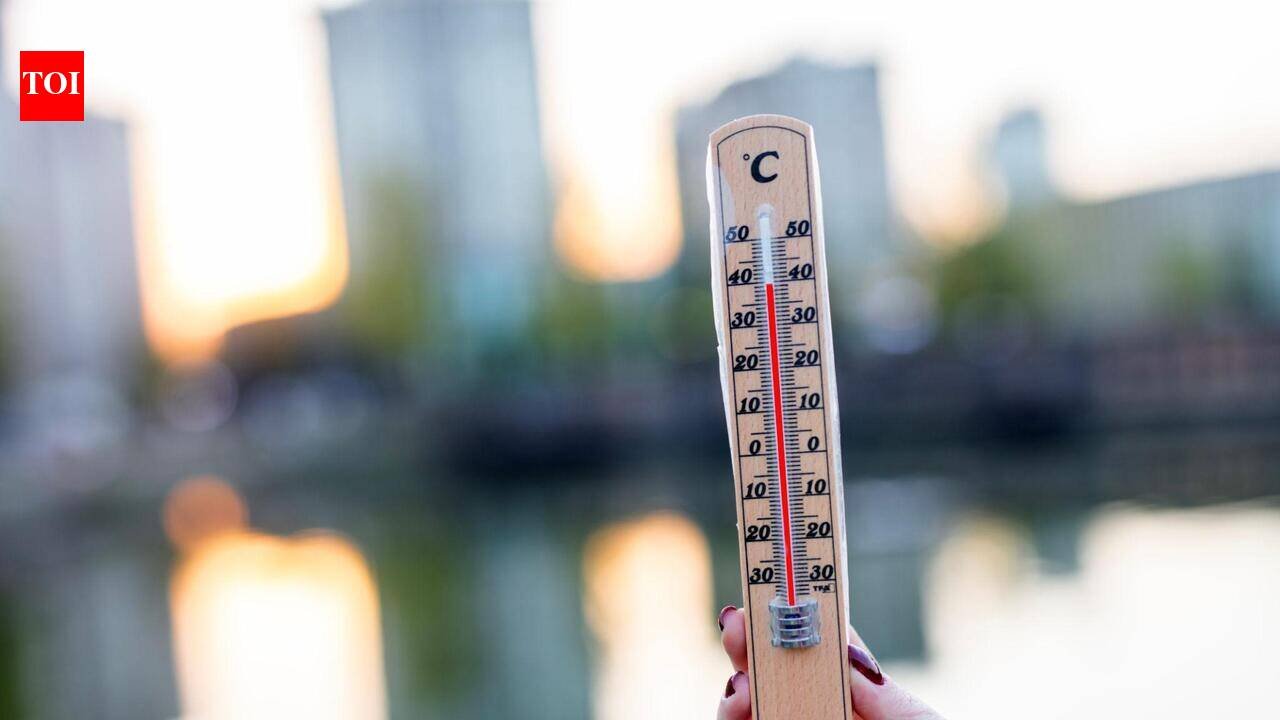
Much of the UK is experiencing another round of extreme summer weather, with temperatures expected to be well above 30°C and possibly 35–36°C by the weekend in parts of England. Forecasters say the current heatwave is the country’s third official heatwave of 2026, while health authorities warn the continued heat is putting increasing pressure on hospitals, care services and vulnerable communities. The UK Health and Safety Authority (UKHSA) has activated a yellow heat health alert in much of southern, eastern and central England, and a yellow alert in the north. The alerts, which are in effect until July 12, reflect concerns that unusually high temperatures could lead to an increase in illness, hospitalizations and heat-related deaths, particularly among older adults, infants and people with existing medical conditions. Meanwhile, NHS England has warned that hospitals are already operating under “continued pressure”. As temperatures continue to rise, emergency departments are bracing for an increase in patients with dehydration, heat stroke and other heat-related illnesses.
Met Office forecast
According to the Met Office, high pressure dominating UK weather patterns is bringing long spells of sunshine, dry conditions and unusually warm air to much of the UK. The hottest weather is expected on Thursday and Friday, when temperatures could rise to 35°C or even 36°C in parts of southern and eastern England. Met Office meteorologists said daytime temperatures above 30°C will be common, while nighttime temperatures will remain unusually warm. Some urban areas may experience “tropical nights” where temperatures fail to drop below 20°C, making it difficult for people to cool down and recover from the day’s heat. Met Office meteorologist Greg Dewhurst said temperatures in parts of southern and eastern England would continue to climb through the week before gradually falling over the weekend. However, even after the current peak passes, temperatures are expected to remain above average, particularly in southwest England.Officials also warned that while the hot weather will eventually ease in some areas, thunderstorms are still possible as cold air begins to move in, especially later in the week.
rising health risks
Health officials say the biggest concern isn’t just the daytime temperatures, but the duration of the heat, with little relief at night.The UK Health Safety Authority said the Amber Fever health alert indicated that health and social care services could be significantly impacted. These include increased demand for emergency care, increased risks to vulnerable groups and additional pressure on NHS resources.NHS England said hospitals continue to come under “ongoing pressure” and urged people to take sensible precautions to help reduce avoidable medical emergencies during hot weather.Health authorities advise people to:
- Drink plenty of water throughout the day.
- If possible, stay indoors during the hottest hours of the afternoon.
- Wear light clothing and sunscreen when outdoors.
- Keep your house cool by keeping curtains closed during the day.
- Check in regularly with older relatives, neighbors and people who live alone.
- Never leave children or pets in parked vehicles.
Officials are also reminding people that despite hot weather, rivers, lakes and reservoirs can remain dangerously cold, increasing the risk of cold water shock.
what happens next
The ongoing hot weather has affected transportation and public services. High temperatures can cause rail tracks to swell, increasing the potential for delays and speed restrictions, while road surfaces can soften under prolonged heat. Some rail services have reported disruptions related to heat-related infrastructure issues.Scientists also say the recent heatwave is part of a wider pattern of increasingly frequent and intense extreme weather events across Europe. The Copernicus Climate Change Service recently reported that Western Europe experienced its hottest June on record, while UK waters simultaneously experienced an “extreme” marine heatwave with sea temperatures significantly above seasonal averages. Experts say climate change makes prolonged periods of unusually hot weather more likely and more intense.Forecasters expect temperatures to gradually ease in parts of southern and eastern England over the weekend, but very warm weather is likely to persist elsewhere. Temperatures are expected to continue to be above average in the South West, Scotland and Northern Ireland, while the risk of isolated thunderstorms may increase as weather patterns begin to change.However, for millions of people across the UK, the current focus remains on getting through one of the hottest weeks of the year safely. As temperatures climb into the 30s, health officials, emergency services and meteorologists continue to urge the public not to underestimate the risks posed by prolonged extreme heat, especially during one of the most intense heatwaves in the United States in 2026, as the NHS struggles to manage growing demand.