Natural gas prices have risen sharply in the UK and Europe after missiles struck key energy infrastructure in Qatar, raising fresh concerns about global supply disruptions as tensions between Iran and Israel escalate.Wholesale natural gas prices rose by about 25% in early trade, pushing UK prices to nearly 170-175 pence per thousand. Although prices have since retreated slightly, they are still more than double the levels before the conflict began.
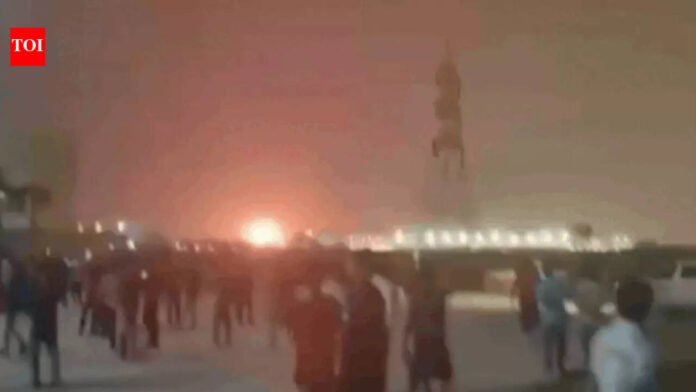
The spike sparked fears of long-term disruption to global energy supplies after an attack on Ras Laffan Industrial City, the world’s largest liquefied natural gas (LNG) facility.
What’s causing natural gas prices to skyrocket
The latest surge was triggered by a series of retaliatory strikes. Israel has targeted Iran’s South Pars gas field, one of the world’s largest natural gas reserves, prompting Iran to respond with missile attacks on Qatar’s liquefied natural gas facilities.The strike caused “extensive damage” to infrastructure in Ras Laffan, including the Pearl gas liquefaction plant. A fire was reported but was later brought under control, although production had been halted earlier due to previous attacks.The market reaction was strong as Qatar plays a vital role in global energy supplies. The country accounts for nearly a fifth of the world’s LNG exports, so any disruption would be significant, especially for Europe, which has increased its reliance on Qatari gas after cutting imports from Russia.Analysts have warned that a disruption of even a few months could result in a significant reduction in global LNG supplies, straining the market and pushing up prices.
Trump issues warning to Iran
Amid the escalating crisis, US President Donald Trump issued a stark warning, threatening severe consequences if Iran continues to target regional energy infrastructure.He reportedly warned that further attacks could lead to a large-scale escalation, including a possible attack on Iran’s key natural gas assets.Meanwhile, the United States has taken steps to stabilize energy flows, including temporarily easing shipping restrictions to allow for more flexible oil and gas shipments.
Global markets in turmoil as Middle East conflict deepens
The energy shock has rippled across financial markets. Stock indexes in Asia and Europe fell sharply, reflecting investor concerns about a protracted conflict and its economic fallout.Oil prices have also climbed sharply, with Brent crude reaching over $110 a barrel at one point – a sharp rise since the conflict began.The situation is further complicated by disruptions in the Strait of Hormuz, a key route for global oil shipments.