

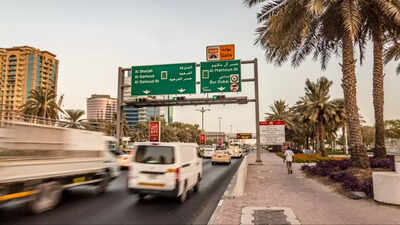
as holy month Ramadan As 2026 continues across the United Arab Emirates, medical experts and authorities are issuing new safety alerts for drivers, particularly those undertaking long commutes between emirates such as Dubai and Sharjah during fasting hours. With many drivers fasting from dawn to sunset, concerns about fatigue, dehydration and reduced driving alertness have become real road hazards that may increase the risk of traffic accidents during the holy month.The issue has attracted attention as commuters on busy routes, especially the Sharjah-Dubai-Sharjah corridor, contend with traffic jams and afternoon drowsiness. Local medical professionals and traffic safety advocates urge drivers to be aware of how changes in energy and hydration levels caused by fasting may affect their driving performance and overall road safety.
How Ramadan Fasting Affects Driving Performance in 2026
Dr. Adel Al Sisi, chief medical officer and director of ICU at Prime Hospital in Dubai, said physiological changes during fasting, such as lower blood sugar levels and mild dehydration, can have a significant impact on reaction times, alertness and concentration. He told Gulf News that these changes usually become more noticeable in the mid-to-late afternoon, when energy levels naturally drop and dehydration becomes more severe. As a result, drivers may be at greater risk of slower reactions, fatigue, and inattention, especially if they have had poor sleep or have been without food and water for long periods of time.
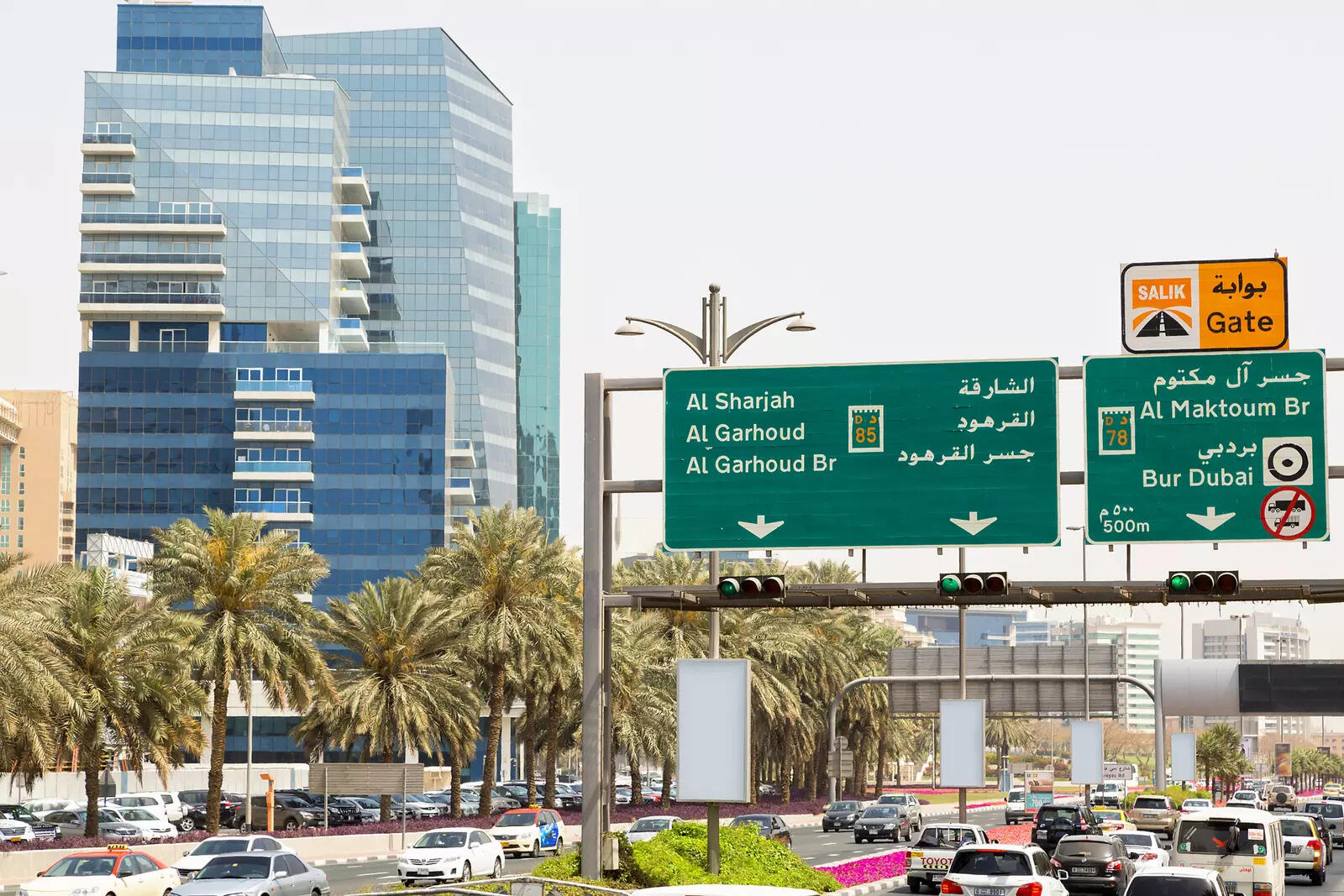
Fasting during Ramadan 2026 in Dubai or Sharjah, UAE? Read this first
Dr. Sethi noted that the period before iftar, the sunset meal that breaks the fast, is particularly dangerous because many drivers feel rushed or irritable about getting home in time, a mindset that can lead to dangerous driving behavior. The same time range has been shown in ACCIDENT Data shows a spike in road accidents, particularly between 12pm and 6pm, with the 2pm to 4pm period being particularly prone to collisions.Reactions on local social media highlighted these concerns, with commuters commenting on markedly different driving moods during Ramadan, including impatience, fatigue and road frustration, which could exacerbate risks on already busy highways.
United Arab Emirates Traffic patterns and peak risk times during Ramadan 2026
It’s not just the medical perspective that highlights the dangers, with separate analysis of accident patterns across the UAE showing that road accidents tend to spike in the hours leading up to iftar. Insurance claims data from previous years shows that drivers aged 36-40 are one of the most affected groups, with a significant increase in accidents due to the physical exertion and time pressure experienced by fasting drivers.
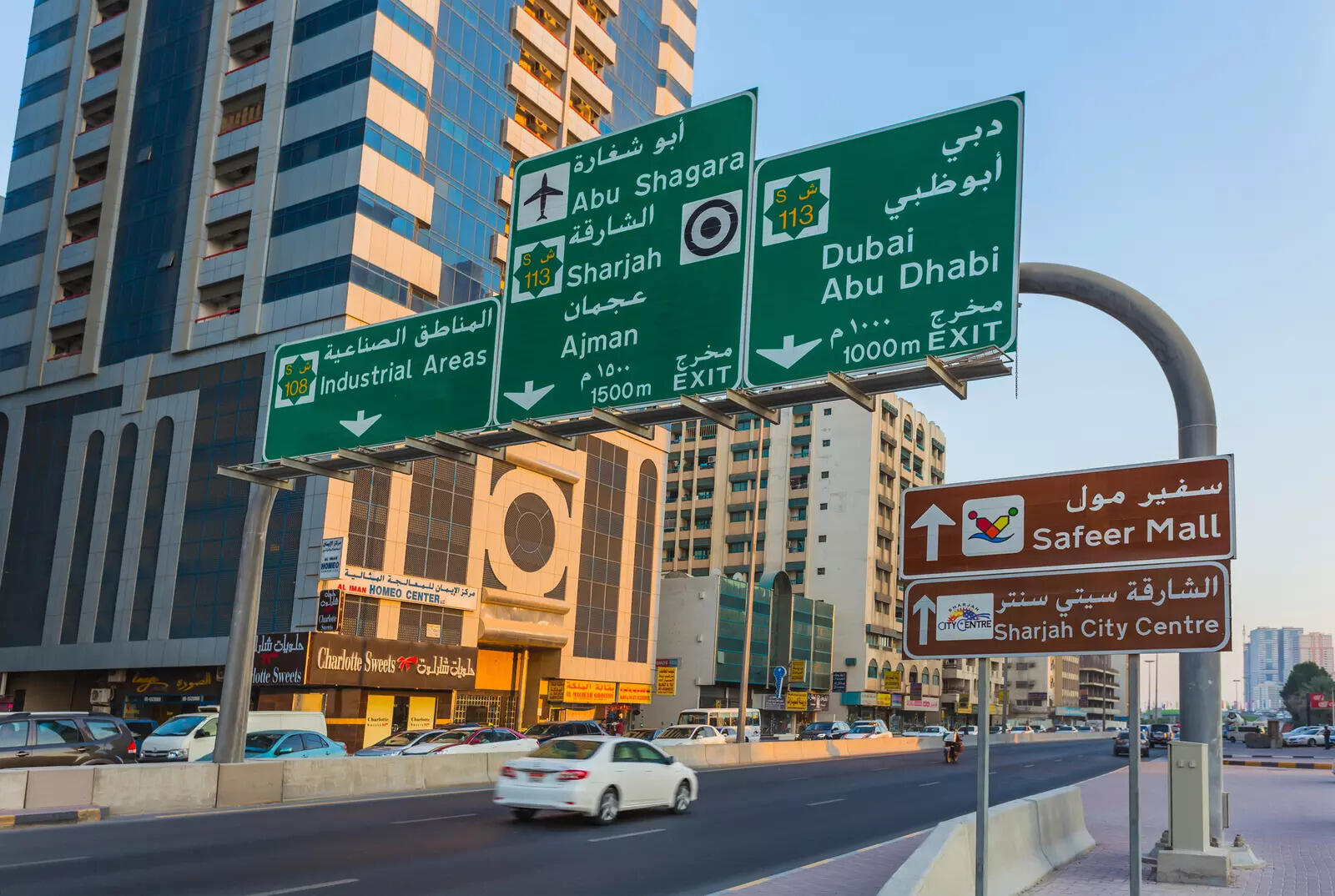
Ramadan fatigue on UAE roads: Doctors and safety officials warn against driving while fasting
Authorities also noted that road safety challenges during Ramadan are not solely due to fasting. The combination of an early start to get off work, heavy afternoon traffic and the psychological stress of reaching your destination before sunset creates a uniquely dangerous period for drivers.
Official road safety advice for fasting drivers in UAE
To mitigate these heightened risks, medical experts and police forces across the UAE have provided practical, multi-layered advice:
- Prioritize rest – Getting 6 to 7 hours of sleep can help reduce daytime fatigue. Lack of sleep combined with fasting can increase the likelihood of dangerous inattention while driving.
- Plan your travel time strategically – Departing earlier in the day, especially to avoid the afternoon and pre-Eid rush hours, can reduce stress and reduce driver exposure during periods when driving performance typically declines.
- Rest and stay calm – Encourage short mental breaks and calm driving habits during traffic jams, such as avoiding hard acceleration, maintaining a safe distance and practicing breathing exercises to control agitation.
- Fasting and hydration options – A balanced suhoor contains complex carbohydrates (whole grains, oats), protein (eggs, yogurt, nuts) and plenty of water to help maintain stable energy levels during fasting. Doctors recommend avoiding greasy, sugary, salty or greasy foods, which can cause energy crashes.
- Stop driving if you feel dizzy or extremely tired – The medical advice is clear: If you experience dizziness, severe fatigue or difficulty concentrating while driving, the safest option is to pull over and rest rather than continue driving.
In addition to personal medical guidance, road safety initiatives across the UAE, including traffic awareness campaigns by Sharjah Police and other emirate forces, urge motorists to adopt more cautious driving behaviour, especially in residential areas and ahead of the Iftar rush. Police have made clear calls for drivers to slow down, lower their speed in shared areas and resist the urge to rush, insisting that arriving safely is more important than arriving quickly.The campaigns coincide with long-standing Ramadan road safety measures, which highlight the risks associated with irregular meal and sleep schedules, as well as the psychological stress that can affect driving habits during Ramadan. While fasting drivers face unique challenges during Ramadan, authorities stress that everyone on the road, whether fasting or not, needs to take extra care. Defensive driving, patience and planning are crucial, especially when changes in work hours and social habits during the holy month result in increased traffic and changing environmental conditions.Road safety during Ramadan is not just a matter of personal skills; This is to understand how human physiological and social patterns change during this period and to adapt behavior accordingly to protect all road users. As medical and transportation experts repeat their warnings, the overall message is clear: Safe driving requires awareness, preparation and, above all, patience.


