Trump’s MAGA push in Latin America faces its biggest test in Brazil as Lula and Bolsonaro’s son fight for power

Donald Trump is trying to reshape Latin American politics around his MAGA worldview. He has openly backed conservative candidates, built relationships with right-wing leaders and used US power to push countries in the region closer to his administration.
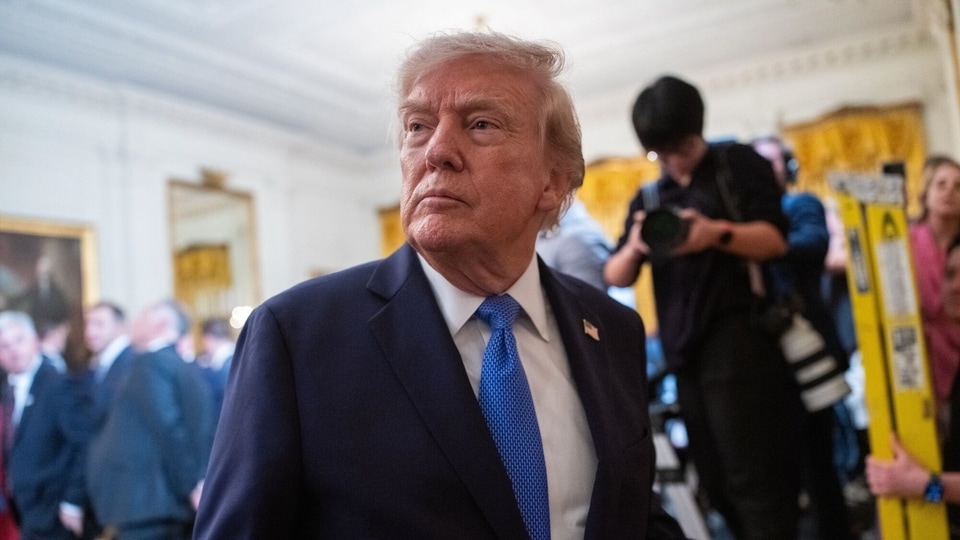
Trump recently looked around a room of Latin American leaders and saw many political allies. The gathering included leaders and candidates who had received his support or whose governments closely matched his political vision.
Chile’s President-elect José Antonio Kast was one of Trump’s strongest allies in the room. Kast is a conservative politician who won his election by a large margin after receiving Trump’s public backing.
El Salvador’s President Nayib Bukele has also developed a close relationship with Trump, according to USA Today. His government reached a $4.7 million agreement with the US to hold deportees suspected of gang activity.
Argentina’s President Javier Milei is another major Trump ally. Trump endorsed Milei and offered Argentina a $20 billion bailout as the country faced economic pressure. Honduran President Nasry Asfura also benefited from Trump’s support. Asfura won a close election after Trump publicly backed him.
Trump’s Latin America plan
Trump has broken that political convention. He has used social media to give direct endorsements and has made his personal support an important part of several Latin American campaigns. His larger goal is to bring Latin America closer to the United States. The Trump administration wants stronger American influence across the Western Hemisphere and sees the region as important for migration, drugs and national security, according to USA Today.
Also read: Trump wants to end clock changes, but senate may miss Nov. 1 deadline
Shield of the Americas
The Trump administration is calling this new approach the Shield of the Americas. The alliance is designed around security cooperation, including efforts against drug trafficking, illegal immigration and organized crime. But the new alliance is very different from earlier US-led gatherings in the Americas. Trump’s first Shield summit largely brought together governments that were politically friendly to him.
Brazil and Mexico stay out
Brazil and Mexico were notably absent. The two biggest countries in Latin America have leaders who have challenged or disagreed with Trump. That is a major change from the broader Summit of the Americas model.
Trump has publicly celebrated his relationship with Bukele. The Salvadoran leader was invited to the White House during Trump’s second term to highlight the partnership. Colombia has also moved closer to Trump’s political camp. Trump repeatedly threatened Colombia with military action, sanctioned former President Gustavo Petro and accused him of involvement in drug trafficking.
Trump uses pressure and support
Trump’s strategy is based on both rewards and pressure. He has offered political support and financial help to friendly leaders while threatening sanctions, military action or cuts to aid against governments that oppose him. Honduras showed how powerful that pressure can be. Trump warned there would be “hell to pay” if Asfura lost the election count, according to USA Today.
Trump’s endorsement may have helped Asfura because Honduras depends heavily on its relationship with Washington. Will Freeman of the Council on Foreign Relations said the unequal relationship means Honduras could face serious consequences from a conflict with the White House.
But Trump has not supported every MAGA-friendly candidate in Latin America. He did not endorse a candidate in Peru’s election. He also waited before backing Colombia’s de la Espriella. Trump did not endorse him until the second round of voting in June. The strategy is therefore not simply about supporting every conservative politician. Trump appears to be choosing cases where he believes his personal influence can make a difference.
Rubio leads Latin America policy
Trump has also empowered Secretary of State Marco Rubioto carry out much of this Latin America strategy. Rubio, who is Cuban-American, has become a key figure in the administration’s efforts to reshape US policy toward the region.
This highlights a larger problem with Trump’s strategy. A personal relationship with one leader does not necessarily mean that the United States has won broader public support in that country, as noted by USA Today.
Trump’s MAGA allies grow
Experts say Trump’s Latin American allies are also different from traditional conservative governments. William LeoGrande of American University said many of them are strongly right-wing and, in some cases, political outsiders similar to Trump himself.
That makes the new political network more closely connected to the MAGA movement. Trump is not simply working with governments because they are conservative; he is building relationships with leaders who share his political style and priorities. Trump’s approach is also different from the traditional use of US soft power. Previous presidents relied heavily on diplomacy, White House meetings, foreign aid and State Department warnings, according to USA Today.
Trump has relied much more heavily on pressure. His administration has cut or threatened aid, imposed sanctions and repeatedly raised the possibility of military force. That means Trump’s Latin America project is still being built. His influence is visible, but it is not yet clear whether the network can become a lasting regional alliance.
Also read: Trumpflation could threaten Wall Street’s bull market: How the Iran war is keeping inflation high
Brazil becomes the big test
The race is expected to be close between President Luiz Inácio Lula da Silva and Flávio Bolsonaro, the son of former President Jair Bolsonaro.Trump has a clear political connection to the Bolsonaro family. Jair Bolsonaro is a close ideological ally of Trump and has faced prosecution in Brazil over allegations linked to an attempted coup.
Lula has actually gained politically from the conflict with Trump, according to Zuniga. The former US diplomat said some Brazilian voters see Lula as defending Brazil against hostile US pressure. That could make Trump’s intervention in Brazil much harder than in smaller countries.
Brazil has a large population, a powerful economy and its own strong political identity. The race is expected to be very close. Zuniga said Lula and his opponents are heading into a tight contest, meaning even a Trump endorsement could become politically significant, according to USA Today.
Lula vs Bolsonaro’s son
Flávio Bolsonaro has already made a high-profile visit to Washington. He visited the White House at the end of May and met Trump in the Oval Office. That photo itself sent a political message. It showed the Bolsonaro family’s continued connection with Trump even before the former US president officially chose a candidate. A Trump-backed candidate winning in Brazil would strengthen the argument that his movement is spreading across the Western Hemisphere.
It would demonstrate that even a powerful US president cannot automatically transfer his political popularity to another country. His influence has already helped shape elections and strengthen relationships in several smaller Latin American countriesbut Brazil is a much bigger and more complicated political battlefield.
Trump’s Latin America strategy is therefore entering its most important phase. He has already built a network of leaders who share parts of his MAGA worldview, but he now has to prove that network can survive a major political contest. Brazil’s election could show whether Trump’s MAGA political project is becoming a lasting force in the region — or whether his influence has limits when voters in a major country push back.4