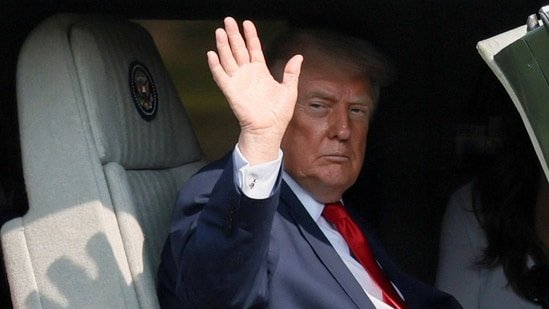

The Trump administration announced a 25% tariff on certain Brazilian imports, escalating trade tensions with the South American country. The new tariffs follow a year-long investigation by the Office of the United States Trade Representative (USTR) into Brazil’s trade practices.
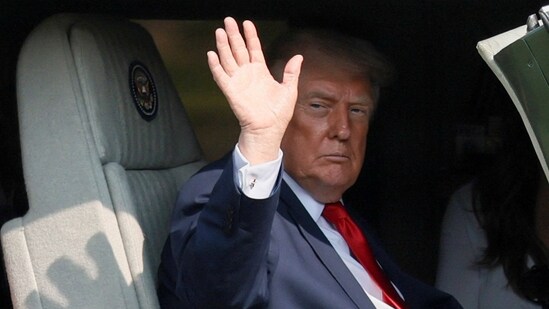
The move raises questions about why Washington targeted Brazil, what issues led to the decision and what might come next in the dispute between the two countries.
Why did Trump impose 25% tariffs on Brazil?
The U.S. Trade Representative’s Office said the tariffs were imposed under Section 301 of the Trade Act of 1974 after the agency concluded that several Brazilian policies created “unreasonable” barriers to U.S. businesses, farmers, workers and exporters.
The USTR said the investigation examined the following issues:
- Brazil’s digital trade policy
- anti-corruption enforcement
- Intellectual property protection
- Preferential tariff
- Ethanol market access
- and environmental practices
U.S. Trade Representative Jamieson Greer said the tariffs were imposed “to ensure that American workers and companies can compete on a level playing field with Brazilian companies.”
Greer added that the United States spent months negotiating with Brazil, but those discussions did not resolve the issues identified during the investigation. However, he said Washington was still willing to continue negotiations with the Brazilian government.
Why now?
The tariff announcement comes as Donald Trump renews his focus on using trade measures to pressure foreign governments and address what his administration considers unfair economic practices.
The USTR said the decision follows a formal investigation launched over the past year that included public consultation and a review of comments from businesses and other stakeholders.
The timing also comes after Trump’s earlier tariff strategy faced legal setbacks. The U.S. Supreme Court has previously struck down parts of its broader tariff plan, leading the administration to rely more heavily on trade laws such as Section 301, which explicitly allows tariffs to be imposed following investigations into unfair trade practices.
The federal government has refunded about $81 billion in tariffs after the Supreme Court ruling affected tariffs the government had previously imposed, according to U.S. Treasury budget data.
Which products are affected?
The 25% tariff will apply to some Brazilian imports, but not all products coming into the U.S. from Brazil.
The USTR said the exemptions would apply to multiple categories, including aluminum hydroxide, art, certain animal skins and pharmaceutical ingredients.
The report also said that the government excluded some important imported products to reduce disruption to American companies and consumers.
How did Brazil respond?
The move prompted criticism from Brazilian officials, who feared the tariffs could impact trade between the two countries.
Secretary of State Marco Rubio wrote on X that Brazilian President Luiz Inacio Lula da Silva and his government were not negotiating in “good faith” with Washington.
Rubio has argued that Brazil’s economic policies are harmful to both U.S. and Brazilian interests, while defending the tariffs as a response to those concerns.
What happens next?
The next phase could involve negotiations, legal challenges or possible retaliation from Brazil.
The United States and Brazil have close economic ties, with bilateral trade in goods exceeding tens of billions of dollars every year. If the dispute escalates or additional tariffs are imposed, businesses on both sides could face uncertainty.
Brazilian tariffs could also become a test of Trump’s trade strategy. Unlike some previous tariffs that relied on emergency powers and faced court challenges, the latest move uses Section 301, a trade authority that requires an investigation and formal findings.