Today’s Japanese Proverb: “Asking is a momentary shame; not asking is…” – Why giving up your self-esteem for an awkward question can pay off for years | World News

We’ve all done it. Someone explains something and you don’t quite understand it, but you nod anyway. The moment to ask questions comes and goes because asking means admitting you don’t understand, which feels awkward. So you keep quiet. The problem is that your knowledge gap doesn’t go away. It’s just waiting there, ready to trip you up later. This old Japanese proverb saw this trap centuries ago and sums it up perfectly. One question can lead you to an awkward moment. Silence can cost you a lifetime.
Japanese proverbs for today
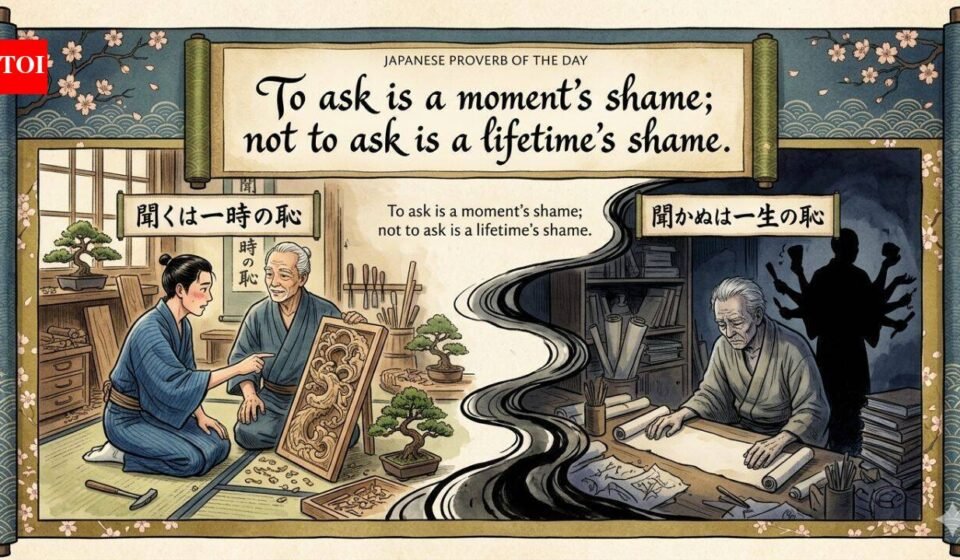
“Asking is a temporary shame, not asking is a lifelong shame.”
What is the actual meaning of this proverb
This course is about overcoming a very specific fear, the fear of looking stupid.When you ask a question, you show that you don’t know the answer yet. For many people, this feels revealing, like holding up a sign that says you’re not as smart as you’d like to be. The point of this proverb is that the feeling is real, but small. Usually the awkwardness of asking disappears quickly the moment you get the answer and finally understand.Choosing not to ask feels safer in the moment, but it quietly traps you. You remain ignorant about this matter. You avoid conversations that might arise. You nodded, hoping no one noticed the gaps in your knowledge. That fake low buzz can last for years. This proverb urges you to endure the small, sharp pain now and skip the long, dull pain later.
Why a polite culture needs this proverb
It’s worth asking why this saying is so ingrained in Japan, and the answer is quite interesting.Japanese culture places a high value on harmony, modesty, and not losing face in front of others. In an environment where smooth integration into a group is important, appearing ignorant in a group can feel particularly uncomfortable. In other words, the fear the proverb warns about is extremely strong there. This is most likely why this quote exists and is often repeated. A culture doesn’t need a famous proverb telling people to ask questions unless a lot of people are trying to stay silent.So this sentence acts as a gentle counterweight. Yes, it admits, asking can sting your ego a bit. Do it no matter what. Compared with the alternatives, the temporary loss of face is a bargain. There is real wisdom in a culture that respects modesty, while also reminding yourself that false modesty, hiding what you don’t know, can cause lasting harm.
Hidden costs of not asking
The reason this proverb still hits home is because the price of silence is sneaky. It almost doesn’t happen right away.Imagine a person new to the job who doesn’t understand a basic part of the task but is too embarrassed to ask. For a while, they were okay. Then small misunderstandings lead to mistakes, which lead to bigger mistakes, and now they can’t ask because they should have known all along. The longer the silence lasted, the more horrifying the question became, until a tiny crack became a wall. The same thing happens with money you don’t understand, medical advice you don’t ask for, or a relationship where no one asks the tough questions early enough.This is the snowball the proverb warns about. Knowledge gaps don’t sit still. They tend to grow when alone, and they grow fastest in the presence of those who are too proud or too shy to shine their light. Brief discomfort at the time of inquiry is the cheapest insurance you will ever buy.
How to ask questions without feeling small
The good news is that asking well is a skill, and a few simple habits make it almost painless.
- Ask early, before the gap turns into a hole. The easiest time to admit you don’t understand is at the beginning, before decisions and mistakes pile up onto the chaos.
- Really try it first before asking questions. This proverb doesn’t tell you to skip thinking. Really trying before asking a question can help you learn more and make your questions sharper and easier to answer.
- Redefine discomfort in your mind. That “I look stupid” thought lasted for a while, just as the proverb promised. The trust you gain from asking questions honestly tends to last longer.
- Make it safe for others to ask questions too. If you lead a team or raise children, welcome questions rather than laughing at them. People who are afraid of looking stupid will hide their gaps, and hidden gaps are where real trouble creeps.
Why a moment of embarrassment is worth a lifetime of understanding
There is a quiet kindness to this proverb. It doesn’t pretend that asking is easy, or that pride is foolish. It just honestly weighs the two costs and points out how imbalanced they are. A momentary feeling of insignificance is compared to a lifetime of ignorance. When you put it like that, this awkward question starts to seem like the brave and smart choice it once was.Next time you find yourself nodding your head at something you don’t understand, remember ancient Japanese arithmetic. The shame of asking is measured in minutes. The shame of not asking is measured in years. Take notes of the meeting. They are by far the better deal.