
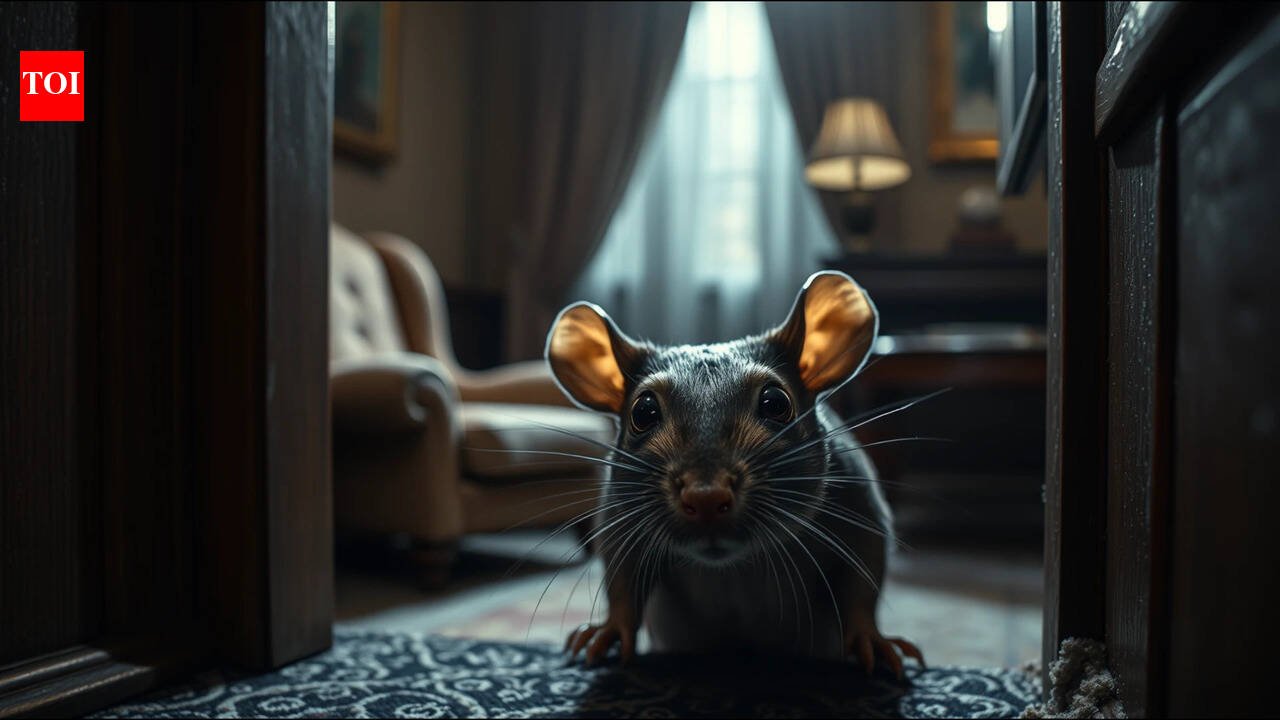

When things go wrong, we always suspect outsiders and give the benefit of the doubt to those closest to us, even though they may have the greatest scope and opportunity to stab us in the back. An old Haitian proverb warns us of this situation and reminds us that attacks can come from the most unexpected places, from the corners we ignore and think we are safest. This expression is found in many languages, but Haitian expresses the message straightforwardly using the simplest metaphor. A rat that eats a house is a rat that lives in the house.Haitian proverb of the day It’s: “It was the rats in the house that ate the house.”
Haitian Origins proverb
Like many traditional Haitian proverbs, “Serat kay ki manje kay” has no clear author. It belongs to Haiti’s oral heritage, where proverbs have long served as practical lessons passed down from generation to generation.Haiti has one of the richest proverbial traditions in the world. Haitian culture originates from African societies whose ancestors were brought to the Caribbean during the Atlantic slave trade, and is a blend of French colonial influence and local experience. West African cultures, in particular, have long viewed proverbs as important tools for education in ethics, diplomacy, and social responsibility. Enslaved Africans inherited this tradition, and over time it became integrated into what is now Haitian Creole culture.
proverb meaning
The rat is a pest that is seen in all cultures as a symbol of decay and destruction. Yet rats are everywhere. This proverb tells us to be wary of rats in our homes, which have easier access to food, wood, and hidden corners than rats outside. Rats live alongside humans and survive. They hide in homes, kitchens and pantries, quietly hunting for food and damaging structures, mostly undetected. Because they don’t attack humans, they are often ignored, but they can cause damage from within.Rats inside the house pose different dangers than rats outside the house. The outside rats may never be able to get in, but the inside rats can already get in. It eats gradually and is usually not noticed until the damage becomes severe.
The biggest threat comes from within
“House mice” are more than just rodents. It symbolizes an insider, a person who is accepted into a family, workplace, institution or country. Unlike outsiders, this man knows the frailties of the family. They know where valuables are stored, where the weaknesses are and how to exploit them.Proverbs tell us that destruction often starts from within. Outside enemies may attack openly, but insiders can do more damage because they enjoy trust and access.
Why Haitian Proverbs Stand the Test of Time
Because human nature has not changed, neither have the patterns of betrayal. The ancient Roman poet Virgil wrote, “Even in giving gifts I feared the Greeks,” expressing suspicion of ostensible allies. Chinese traditions include proverbs that warn oneself of the dangers lurking within walls. In many parts of the world, decay has been observed to start from the inside before becoming visible from the outside.
What do Haitian proverbs tell us?
Call for Insight: This proverb does not teach us to be suspicious of every insider and become paranoid about our surroundings. This is a call for insight. It reminds us to look within our core group first.Don’t let your guard down: Because we assume the people in our homes are on our team, we let our guard down. We don’t lock the safe around them; we don’t filter our words around them. Therefore, when a betrayal is eventually revealed, the emotional shockwaves are often more devastating than the actual material losses. It shatters our sense of reality and forces us to question our judgment. This proverb tells us to cheer up.From a historical and political perspective, this proverb also reflects the tragic cycle of Haitian history. Foreign interference has undoubtedly caused great difficulties to the country since the revolution. Corrupt leaders, internal coups, and factions that put personal interests above collective interests also undermine the country’s progress from within, and they have no external force to blame.