



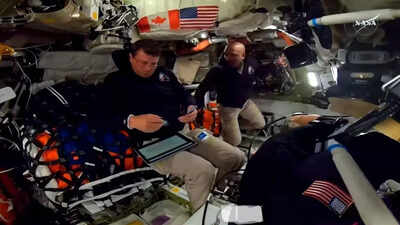
 NASAArtemis 2 astronauts have crossed the “two-thirds” mark of their journey to the moon and are preparing for a historic flight around the moon, although recurring toilet malfunctions inside the Orion capsule continue to pose challenges.A four-man crew of three Americans and one Canadian is expected to arrive on the moon on Monday and capture images of the far side during the mission. It marked the first manned trip to the moon in more than 53 years, extending the achievements of human spaceflight beyond those of NASA’s Apollo era.
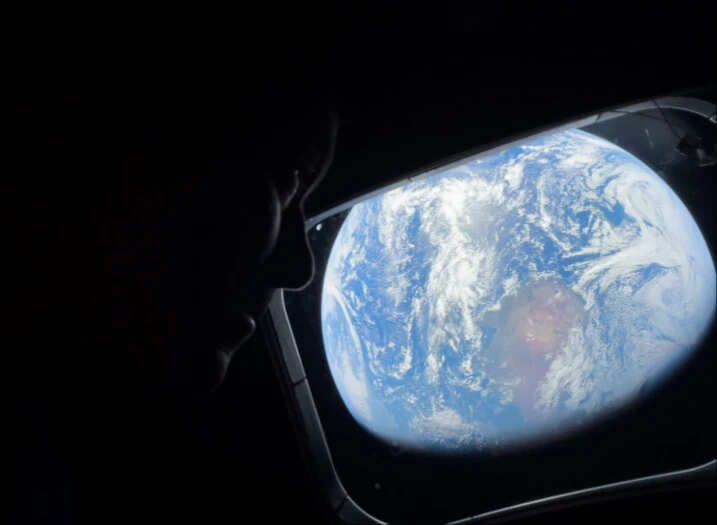
Photo credit: X/NASA
“The Earth is small, and the Moon is definitely getting bigger,” pilot Victor Glover reported during the trip.However, the mission faces a familiar problem. The spacecraft’s toilet system failed shortly after liftoff on Wednesday and remains unreliable. Mission Control has instructed astronauts to rely on backup urine collection bags until the problem is resolved.Engineers believe the ice may have blocked the system’s pipes, preventing waste from draining properly. Although astronauts also reported odors coming from the toilet, the toilet still handles solid waste.“Space toilets and bathrooms are something that everyone understands … and that’s always a challenge,” said Debbie Koth, deputy manager of NASA’s Orion program, noting that similar problems were common in the space shuttle era.
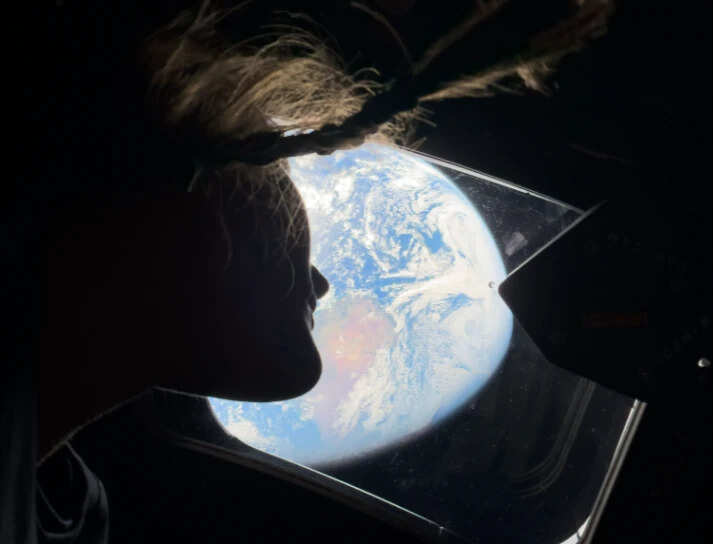
Photo credit: X/NASA
John Honeycutt, chairman of the mission management team, said the system is currently in “good shape” but added that he expects it to be fully operational. “They’re good,” he said of the astronauts. “They’re trained to deal with situations like this.”Despite the setback, Artemis 2 is still on track to set a new record for the longest distance traveled by humans, reaching more than 252,000 miles from Earth before orbiting back behind the moon. The current record is held by Apollo 13.The mission also has historic significance. Canadian astronaut Jeremy Hanson became the first non-American to walk on the moon, and Christina Koch and Victor Glover became the first female and first black astronauts on a lunar mission, respectively.“Today he is making history for Canada,” said Lisa Campbell, director of the Canadian Space Agency. “As we watch him take a bold step into the unknown, let his journey remind us that Canada’s future is written by those who dare to pursue more.”Hansen said during the live broadcast that the view inside the Orion capsule was “extraordinary.”Artemis 2, a nearly 10-day mission that will splash down in the Pacific Ocean on April 10, is a key step in NASA’s long-term plan to establish a sustained human presence on the moon, including a targeted landing near the moon’s south pole by 2028.

Related articles
Recent articles
