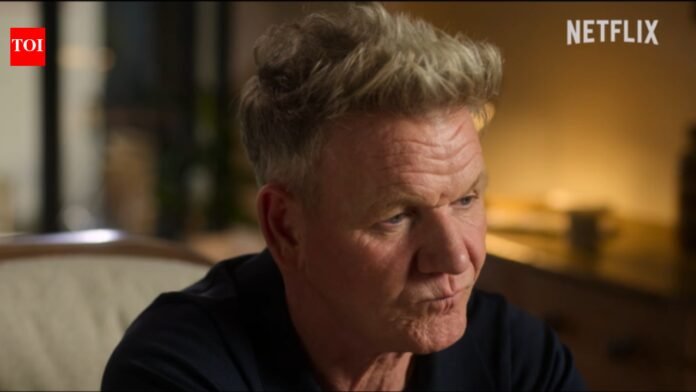
Being Gordon Ramsay, released on February 18, is a six-part series that offers an unusual, unfiltered look at one of Britain’s most famous chefs. The suspenseful drama, produced by Netflix, follows the 59-year-old as he embarks on what he calls his most ambitious career project to date: opening five separate food and beverage concepts at 22 Bishopsgate, London’s second-tallest building. But beyond the pressure of opening multiple restaurants in one of the capital’s most famous skyscrapers, the documentary also turns inward. Ramsey opens up about his upbringing, his family and the long-lasting shadow left by his brother’s decades-long heroin addiction. “I’m not embarrassed by my past. I was dealt a dysfunctional card. It’s a huge deal,” he said on camera. At another moment, he reflects on how close he felt to a radically different life: he said he “came so close to not achieving it,” and that proximity, he explained, “is what keeps me going.” The series makes no attempt to soften those edges. ramsay Tell Bible says he was “too honest” to “clean up” any part of the project. “We took the Band-Aid off,” he said. “I needed to do something raw. I needed to be less shiny and more real. I guess that’s who I am.”
‘That could have been me’: Family, addiction and a lifetime of guilt
The show’s second episode focuses on Ramsay’s younger brother Ronnie, 58, who has struggled with heroin addiction for much of his adult life. The pair grew up sharing a bedroom, often a bunk bed, as their families moved frequently between impoverished council estates. “I had a brother who was a heroin addict. We shared a bunk bed. He was 15 months younger than me and he had been a heroin addict for the past 40 years. I had been to hell and back with him, so I had a sense of guilt,” Ramsay said in the documentary. “That could be me, or it could be changed.”
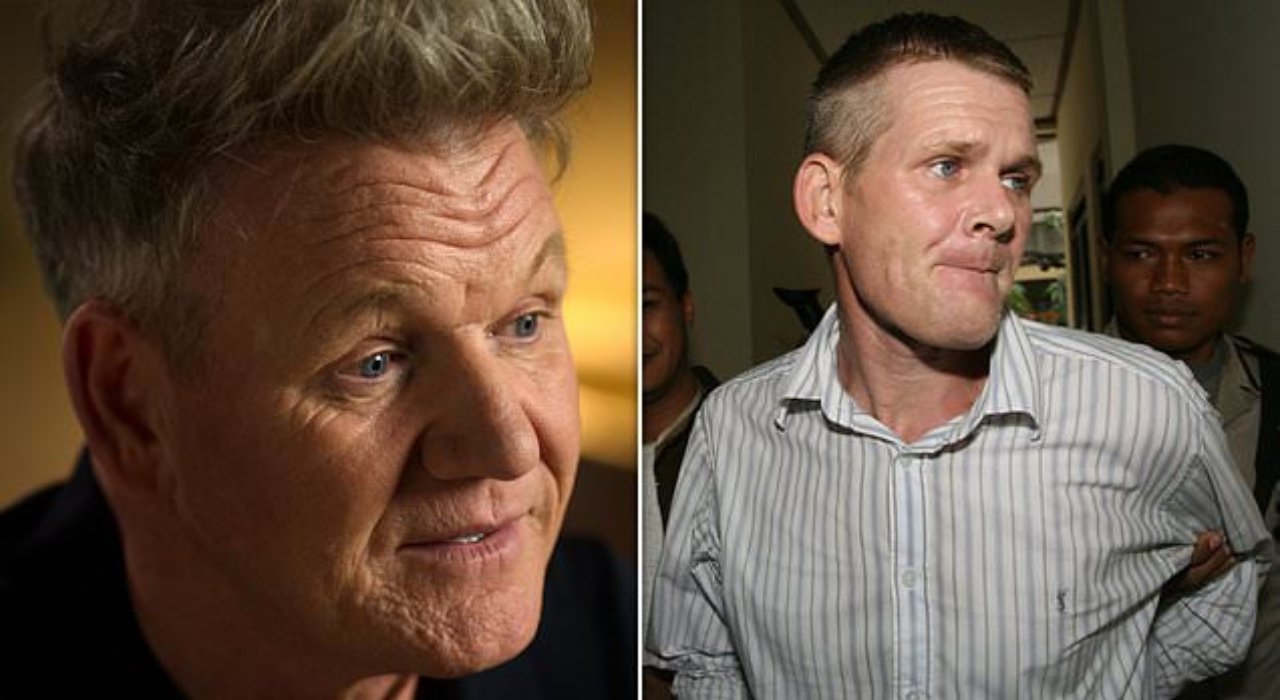
Ronnie battled heroin addiction for more than four decades, including an arrest in Bali and public legal issues / Picture: Dailymail via X
He elaborated on how close they were in their early lives, and how clearly divided they were: “So, when that… when that change comes so close to you… that’s your brother, right? That’s not a cousin.” This is not friends at the bar. This is your brother. Born in the same house, raised in the same bedroom, sharing bunk beds, so similar… but how could it be so different now? that’s what i mean [being so close to not making it is what keeps him going].“ Family instability shaped both men. Ramsay described his father as a “violent alcoholic” and spoke openly about what he called a “fiery relationship” with him. “It’s hard when someone’s an alcoholic, isn’t it? It’s hard to understand that because you just… you’re nervous,” he said in part one. “You know, you worry about hitting the bottom of the bottle and seeing that bottle of Bacardi disappear because you know what’s going to happen in the end.“
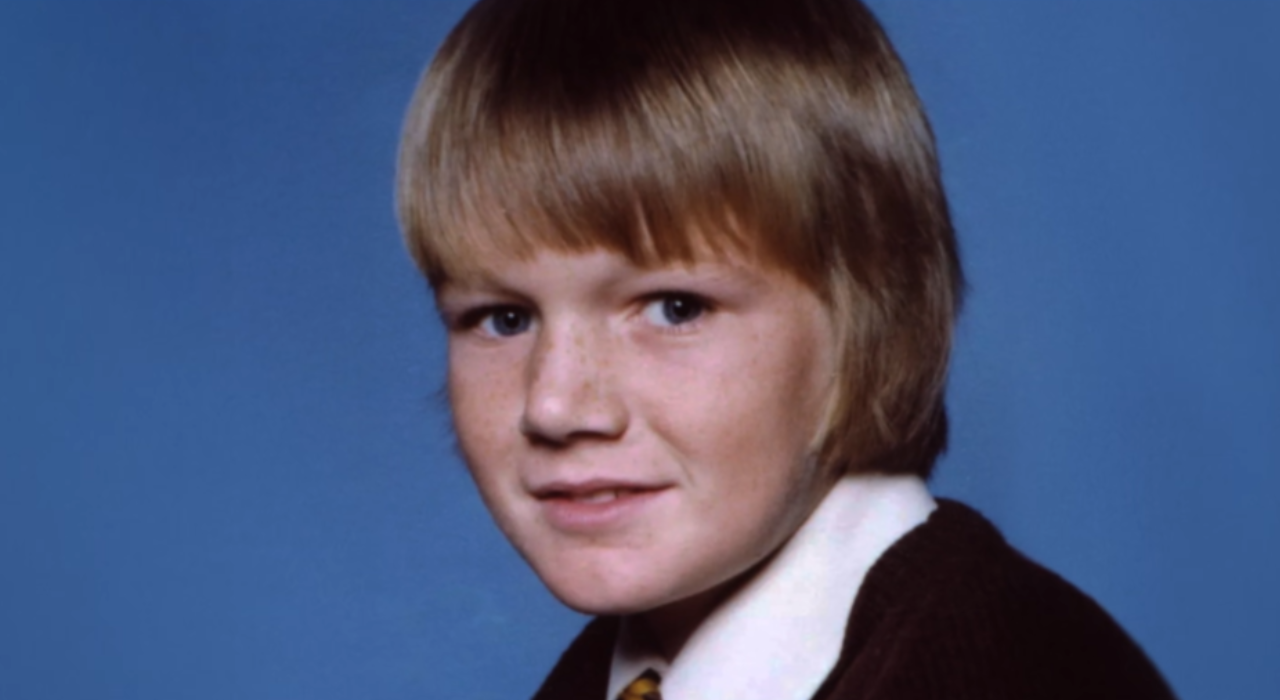
As a child, Gordon moved between 15 council estates, coping with a turbulent family and alcoholism / Netflix
The Ramsay children Gordon and Ronnie and sisters Yvonne and Diane moved frequently. At the age of nine, Gordon moved from the tough Renfrewshire Council estate to Stratford-upon-Avon. This will be the first of many initiatives. talking about big fish In a 2023 podcast, he recalled: “Growing up in a lot of different places, you bond very early. I just want to better myself and get out of an unfortunate situation. I grew up on 15 council estates. “ “There’s always a nerve-wracking moment when you go to another school, another football club. Sometimes you have to make friends again twice in a year. It’s incredibly disruptive.” Ronnie’s struggles were made public in 2007 when he was jailed in Bali for drug offences. Ramsay’s own path diverged dramatically. His restaurant and TV ventures are now estimated to be worth around £180m and he credits tireless work and the resilience of his mother for pushing him forward. “When I became successful, my first wish was to give my mother her own house, her own garage and a car,” he said. “It’s a big deal for a son to take care of his mom. She went to hell and came back to take care of us.” Still, the contrast with his brother remains paramount. “The flip side of my success was that my brother was addicted to heroin. That’s weird, isn’t it?” he said. “You grew up on several council estates, sharing a tiny bedroom and sleeping in bunk beds. You were as close as brothers and we were 14 months apart so everything changed dramatically.”
“I remind myself every day how different things would have been if I had followed a different path and felt that the country owed me something instead of fighting for something.”