


In a high-stakes trial underway in Los Angeles Superior Court, Mark ZuckerbergThe CEO of Meta Platforms is taking a stand in a lawsuit that could reshape how social media giants are held accountable for youth safety and online harm. At the heart of the case are allegations by the Meta platform, including Instagramdesigned in a way that intentionally promotes addiction in children and teens, leading to serious mental health issues such as anxiety, depression, and suicidal ideation. The trial, which also includes Google-owned YouTube as a co-defendant, is widely considered one of the most important legal tests to face big tech companies in recent years. The ruling here could affect thousands of similar lawsuits across the country.The civil lawsuit was filed by a now 20-year-old “KGM” plaintiff who claims that her use of platforms like Instagram since she was a child fueled obsessive behavior and exacerbated her mental health issues. Her lawyers argued that Meta’s engagement-driven features, such as algorithmic recommendation systems and infinite scroll, were designed to keep young users engaged in ways that mirrored addictive design practices used in other industries. Meta, for its part, strenuously denies the claims and insists the company has no intention of addicting children or profiting from the vulnerability of teenagers. In court testimony, Zuckerberg Emphasizing that Meta does not allow children under 13 to use Instagram, he admitted that verifying age and enforcing this rule perfectly is “very difficult”.
Inside the Court: Zuckerberg’s Testimony and Defense Strategy
During his testimony, Zuckerberg faced intense questions about internal policies, platform design goals and historical strategic decisions. Lawyers for the plaintiffs challenged him about past internal documents that showed Meta used to track metrics related to the time users spent on its apps, a key metric used by critics to argue that the company prioritized engagement over safety. While Zuckerberg insists Meta has abandoned these metrics in recent years, he fails to acknowledge that the platforms are designed to intentionally create addictive behavior.Another focus in court is Instagram’s enforcement of age restrictions. Zuckerberg reiterated that users under 13 are banned, but acknowledged that age verification is imperfect and that many younger users misrepresent their birth years to gain access. Plaintiffs seized on this admission, arguing that Meta knew about minors’ involvement for years but did not do enough to protect them. Meta’s legal team countered by pointing to new security features and protections introduced in recent years while claiming that external factors beyond their control influence how and why young people interact with social media.Testifying in high-profile social media security trial, Zuckerberg revealed he personally contacted apple CEO Tim Cook discusses “youth and child well-being” in the digital ecosystem. The Meta chief said the conversation was part of a broader effort to explore how major technology platforms can work together to improve online safety standards, especially for younger users. Zuckerberg sees the promotion as evidence that young people’s mental health and responsible product design have become cross-industry concerns, not just competitive topics among Silicon Valley rivals.

Tech rivals joining forces? Zuckerberg reaches out to Apple’s Tim Cook over child welfare concerns
The disclosure is noteworthy given the often tense relationship between Meta and Apple, especially after Apple’s privacy changes disrupted Meta’s advertising business. By citing his conversation with Cook, Zuckerberg seemed to indicate that protecting minors goes beyond corporate competition. The testimony comes amid growing scrutiny over the way platforms like Instagram are designed and whether engagement-driven features disproportionately impact teenagers. His comments suggest that behind the scenes, tech leaders may be engaging in conversations about shared responsibility even as their companies face growing legal and regulatory pressure in courts and legislators.
Social Media Addiction, Design, and Big Tech Responsibility
The trial is more than just a test of one company’s practices; it reflects a broader legal and cultural moment in which society is questioning the role of social media in children’s lives. Similar lawsuits have been filed against other platforms, though companies like TikTok and Snap Inc. Mehta’s case has moved forward with an early settlement, making Zuckerberg’s testimony particularly critical. Legal experts describe the case as a potential precedent with far-reaching implications for how digital platforms must consider security in their design and business decisions.Notably, the trial parallels ongoing debates among governments around the world over regulating cyberspace. Some lawmakers have called for stricter age controls, algorithm transparency and security rules for social media companies. In the United States, such cases have fueled discussions about reforming Section 230 of the Communications Decency Act, which broadly protects online platforms from liability for user-generated content. The ruling against Meta is likely to encourage calls for an updated regulatory framework, while a defense victory could strengthen existing legal protections.
Why Mark Zuckerberg’s trial matters
The results of this trial could have multiple knock-on effects. The ruling against Meta could open the door to similar liability claims against other tech giants. Governments may feel increasing urgency to legislate child safety online and enforce stricter age verification. Tech companies may revisit features like recommendation algorithms, engagement metrics and design choices relevant to younger people.The trial expands public discussion about the mental health effects of social media, particularly on vulnerable adolescents and pre-teens. Critics likened the case to big tobacco lawsuits of the past, where company design and marketing practices came under scrutiny for causing widespread harm. If a jury finds Meta responsible, or if significant evidence changes public perception, the digital space could face new standards for corporate responsibility and security compliance.
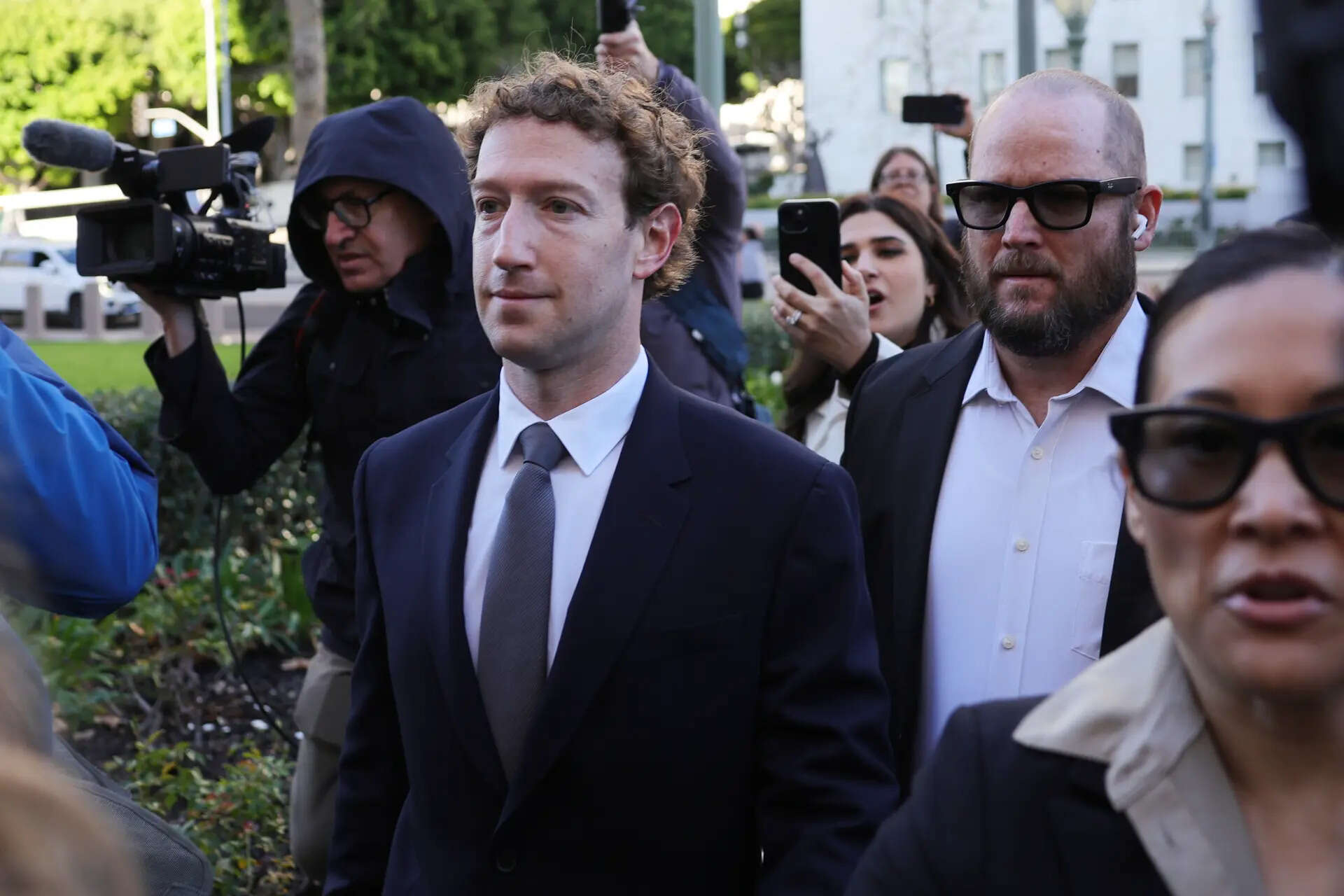
Meta CEO Mark Zuckerberg attends a landmark trial over whether social media platforms knowingly addictive and harm children, Wednesday, February 18, 2026, in Los Angeles. (AP Photo/Ryan Sun)
A landmark trial in Los Angeles is testing whether Meta’s social media platform knowingly promotes addictive behavior and harms children’s mental health. Mark Zuckerberg testified that while Meta bans users under 13 and has abandoned its goal of maximizing screen time, age enforcement is challenging, and the company disputes core allegations. This lawsuit, and thousands like it, could reshape the liability, regulation and product design of big tech companies in the global digital ecosystem. The case is seen as a bellwether for future legal actions and regulatory reforms related to youth online safety.