
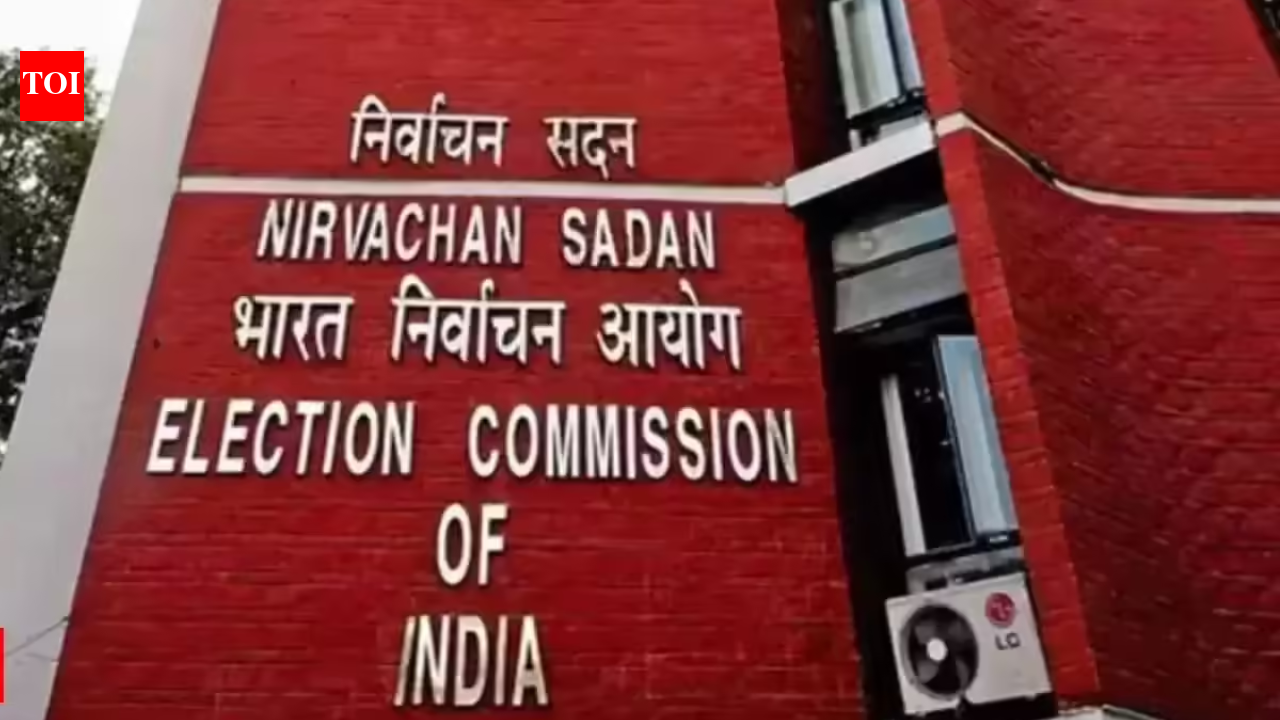
New Delhi: The appointment of Gyanesh Kumar (now CEC) and SS Sandhu as Election Commissioners 2023 – who were shortlisted, vetted and appointed within a day – was the focus of a hearing in India on Thursday. Supreme Courtwhich “expects” the government to show the same sense of urgency in appointing judges. The appointments of Kumar and Sandhu, the first under the new law CEC and Other Electoral Commissioners (Appointment, Conditions of Service and Tenure) Act, 2023, were made by a panel of the Prime Minister, Union Cabinet Ministers and the LoP, and their validity is being reviewed by the SC.Stressing that the independence of the Election Commission is as important as the independence of the judiciary, the petitioners argued before a bench of Justices Dipankar Datta and Satish Chandra Sharma that the executive and the government should not have a dominant say in poll panel postings as this would lead to the appointment of a “yes man” and seriously affect the impartiality of the Election Commission, which is the cornerstone of a republic and democracy. Vijay Hansaria, senior counsel for petitioner Jaya Thakur, told the bench that Kumar and Sandhu were appointed without effective consultation.
He said the list was not shortlisted until March 13, 2023 and the LoP received a list of 200 names which were under consideration but the selection committee met the next day and selected them from 6 names. “This is what happens when you give absolute power to one person. How can the LoP investigate so many names in a single day?” he said.Responding to his submissions, the bench said: “We can only say that we hope that such speed will also be reflected in the appointment of judges. Especially HC judges.” However, it refused to believe Hansaria’s allegation that they were appointed a day before the SC hearing on March 15 to frustrate court proceedings as there was no evidence to substantiate the allegation.Senior advocates Sanjay Parikh, Shadan Farasat and Prashant Bhushan, appearing for the other petitioners, argued that the law was passed by Parliament without proper discussion and that 141 opposition MPs were suspended when the law was passed. They said the law was an attempt to reverse the Supreme Council’s ruling to inject independence into the appointment process of the Central Election Commission and election commissioners. The 2023 SC verdict held that the appointment should be done by a panel consisting of the Prime Minister, the Leader of Opposition (LoP) and the CJI, but under the new law, the CJI was replaced by a federal cabinet minister in the committee.Bhushan pointed out that every political party in power tries to use the commission for political gain, which is why a party that clamored for freeing the poll panels from government interference when in opposition failed to take a decision when it came to power.He said the law was enacted after the Supreme Court intervened in 2023. Justice Dutta did not name former law minister Arun Jaitely, who coined the term “unelected tyranny” for the judiciary’s activism and interference in policy matters, but Justice Dutta said, “I am reminded of what one MP said about unelected tyranny. This should be tantamount to elected tyranny. ““Whoever comes to power will do the same thing. It is unfortunate for the country. I have seen the BBC video on Dr Ambedkar. Within three years of framing the Constitution, he had said that democracy does not work in this country,” the bench said.