
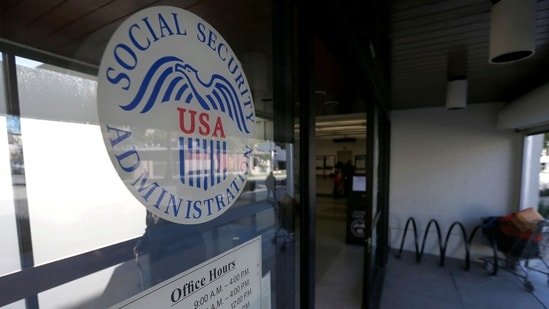
The Social Security Administration (SSA) will implement significant changes to its customer service policies starting March 7, 2026. Ministry of Government Efficiency (DOGE), SSA will provide customer service nationwide from local offices.

Earlier, state-level SSA officials had customer service operators to handle recipients’ queries. Because some Social Security rules vary from state to state, SSA field office customer service hotlines are better equipped with the expertise to resolve such issues easily. It makes appointment scheduling and case management efficient.
Now, experts are warning there could be delays in resolving issues as the system becomes the system for more than 70 million people across the country. social Security recipient.
SSA has 1,250 field offices across the country that serve beneficiaries in specific areas. The new, technology-driven state system will handle all benefit changes and appointment scheduling, which could create barriers for many older adults who are less technologically sophisticated.
More information about why SSA Customer Service is going national
Under the DOGE initiative, SSA plans to begin layoffs in early 2025. It plans to cut about 12% of its workforce, or about 7,000 of its 57,000 employees. Reductions are accomplished through retirements, buyouts, and sometimes even layoffs. There are reports that more than 7,000 employees have been laid off.
Also read: Will SSI payments be made later in February? Here’s Why Early Deposit Checks May Be Delayed
As part of the job cuts, the government announced plans to overhaul the SSA’s customer service hotline to make it national and more technology-driven. “The American people are experiencing a Social Security Administration transformed through digital innovation and strategic process engineering,” SSA Commissioner Frank Bisignano said earlier in January.
Experts say there will be initial delays because customer service The helpline transitioned from local field offices to the national level. In the longer term, however, there is optimism that the system will smooth out and appointment scheduling will improve. But how the impact of this change trickles down to the grassroots remains to be seen.
Notably, in 2025, SSA made an additional 3.1 million payments (more than $17 billion) under the Social Security Equity Act.