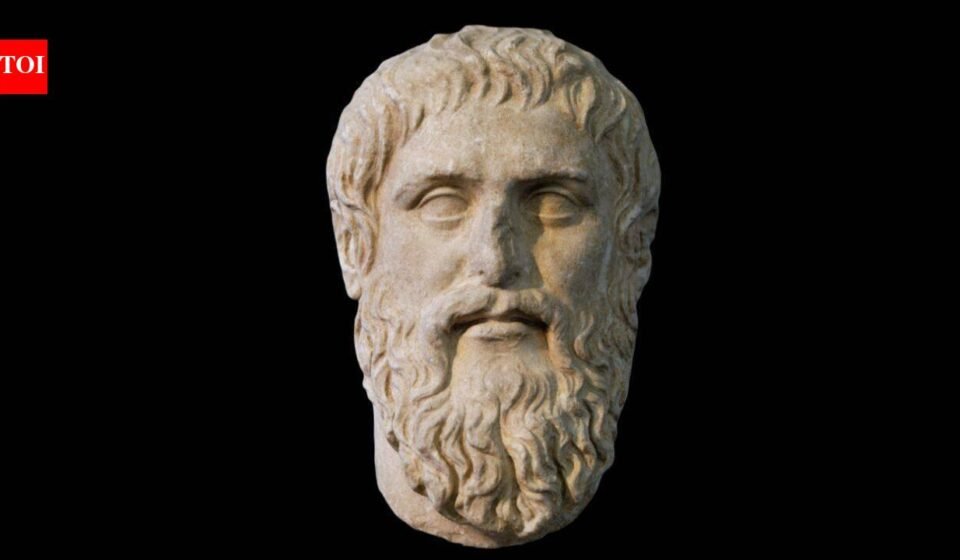
Socrates’ student Plato’s quote of the day: “One of the penalties for refusing to take part in politics is…” – A powerful warning about political apathy, civic responsibility and the consequences of silence | World News

Staying away from politics can feel like opting out entirely, but decisions keep being made no matter who makes them. Plato gave this trap a name directly. “One of the penalties for refusing to participate in politics is that you end up being ruled by your subordinates,” reads a popular version. Refusing to participate rarely means avoiding consequences. More often than not, it just means letting someone else decide. It’s a warning that’s much older than most people think, because it’s shared as often as if it was coined for one specific modern election, rather than a debate held in Athens over two thousand years ago, long before the word “politics” had any of its current baggage.
Quotation of the day plato
“One of the penalties for refusing to participate in politics is that you end up being ruled by your subordinates”
Where does this phrase actually come from?
The Oxford Reference accurately quotes Plato’s Republic, Book 1, 347c. The line also comes with an interesting fact-checking history. A classic blog, Sententiae Antiquae, initially flagged the popular online phrasing as possibly fake, then retracted the claim after directly examining the original Greek text, confirming that it was an authentic, if loose, translation of the actual passage.The true context in Socrates’ dialogue with Thrasymachus is that truly capable men simply do not want to hold public office because they see no personal reward in the burden of ruling. Socrates believed that it was not ambition but fear that ultimately convinced them to take on the role, specifically fear of what would happen if they stepped back and someone worse took over the role.
what does the quote actually mean
In this article, participation does not require being a politician. It can mean voting, paying attention to public issues, engaging with representatives, or simply staying informed enough to hold power accountable. The consequences of quitting completely are what this sentence really warns about. If capable, informed people opt out entirely, the field is left to those most willing to seek power, who are not necessarily those most capable of using it responsibly.
Why disengagement doesn’t mean escaping consequences
People who don’t vote don’t exclude themselves from the election results. They still live under whatever government and policies are elected. Withdrawing feels like rejecting politics, but decisions themselves don’t get suspended just because fewer people are paying attention to them.
Why Criticism Doesn’t Mean Retreat
Participation in public life does not require agreement with every decision made. Voting for a candidate while questioning many of their policies, or engaging specifically with a system because it needs reform, both still count as engagement. A true exit is different, with no focus or holding anyone accountable at all.
Other Memorable Quotes by Plato
- “Getting started is the most important part of the job.”
- “Opinion is the medium between knowledge and ignorance.”
- “False words are not only evil in themselves, but they infect the soul with evil.”
- “Ignorance is the root of all evil.”
Why this is still important today
Disillusionment with politicians and institutions can easily occur, and withdrawal can be an obvious response to this. Plato’s verse raises a more difficult question. Who ultimately makes the decision if informed, capable people opt out at all, and they are actually the ones most capable of making the decision.