
Snakes are found throughout most of the United States, but the numbers and types vary widely from region to region. The warmer southern states and arid regions of the Southwest support more species than the colder northern regions, while Alaska has no native snake population at all because its climate is too harsh for the reptiles to survive. Hawaii is also an exception. Despite its tropical location, it has no native land snakes. That leaves the remaining states with a wide range of harmless and venomous species, which raises an oft-debated question: Which state has the highest concentration of venomous snakes? The answer depends on what is being measured. Looking at each species of snake yields a result, while counting only the venomous species points elsewhere entirely. Understanding this distinction helps explain why the two neighboring countries are often at the center of discussions.
American The state with the richest snake species
Texas is unique for the sheer number of snake species recorded within its borders. The state’s vast size and diverse landscape create habitats ranging from wet coastal swamps and forests to grasslands, rocky hills and deserts. This environmental diversity allows more than one hundred recognized snake species and subspecies to exist in one state, making Texas the national leader in snake diversity.Among these species are fifteen venomous snakes, a number that is impressive in itself. Western diamondback snakes, copperheads, cottonmouths, and coral snakes are all found in different areas of Texas, as are several species of rattlesnakes. However, while Texas has an impressive number of venomous species, it’s not the largest. Only when every snake is counted together does it lead.
U.S. states and The most venomous snakes
When the focus shifted from overall snake diversity to venomous snakes, Arizona jumped to first place. Dry deserts, rocky slopes, mountains and open brush provide ideal conditions for rattlesnakes, especially those that thrive in the state’s warm climate.Arizona is home to about 20 venomous species and subspecies, more than any other state in the country. Most rattlesnakes belong to the family Rattlesnidae, with 13 recognized species of rattlesnakes found in the state. This number accounts for approximately one-third of all known rattlesnake species worldwide, and Arizona has the highest concentration of these reptiles than anywhere else in the United States.Although the state has fewer snakes overall than Texas, a much greater proportion of its reptiles are venomous. This difference explains why Arizona is widely considered the snake capital of the United States.
How Arizona Became rattlesnake country
Rattlesnakes are well adapted to the Arizona landscape. Rock shelters, open ground, and warm temperatures provide ideal hunting grounds while also providing numerous hiding places during the hottest times of the day.Some species occupy different habitats without directly competing. Some still live in low-lying desert plains, others prefer grasslands, and some species live high in pine forests or mountain valleys. Even in famous locations like the Grand Canyon, special shapes have evolved colors that blend closely with the surrounding rocks.Despite their reputation, rattlesnakes generally avoid unwanted encounters. Most bites occur after the snake is accidentally stepped on, handled, or cornered, rather than due to aggressive behavior.
Western Rattlesnake: Arizona’s Most Famous Rattlesnake
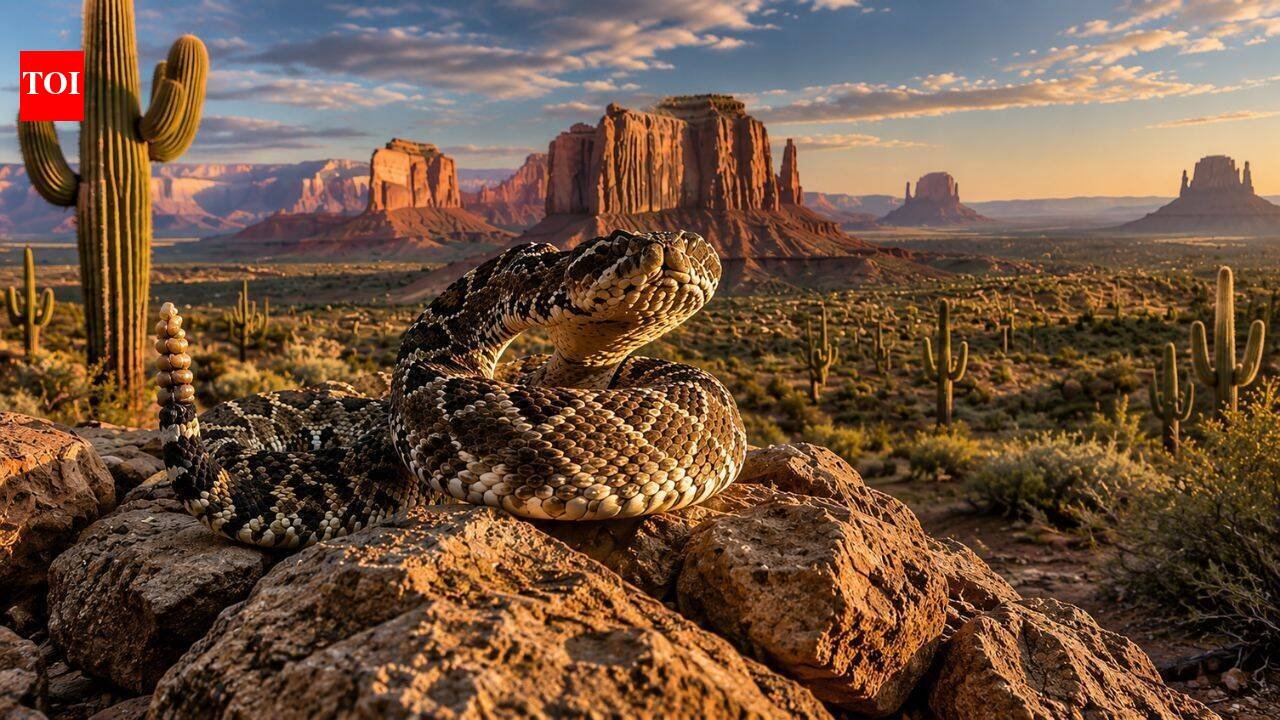
Among Arizona’s venomous snakes, the western diamondback rattlesnake is perhaps the most famous. Its broad head, heavy body and distinctive chain-like diamond markings make it easy to spot, and its warning call has become almost a symbol of the American Southwest.Unlike some of the more cryptic rattlesnakes, this species generally stands its ground when threatened. If it feels trapped, it may hover, raise its head, and give a loud warning before attacking rather than disappearing immediately.Its venom attacks blood cells and surrounding tissue, causing severe swelling, pain and internal damage. Although it is not considered the most venomous snake in the state, it causes more bites than any other venomous snake in the United States because of its widespread distribution and frequent contact with humans.
What Makes the Mojave Rattlesnake Different?
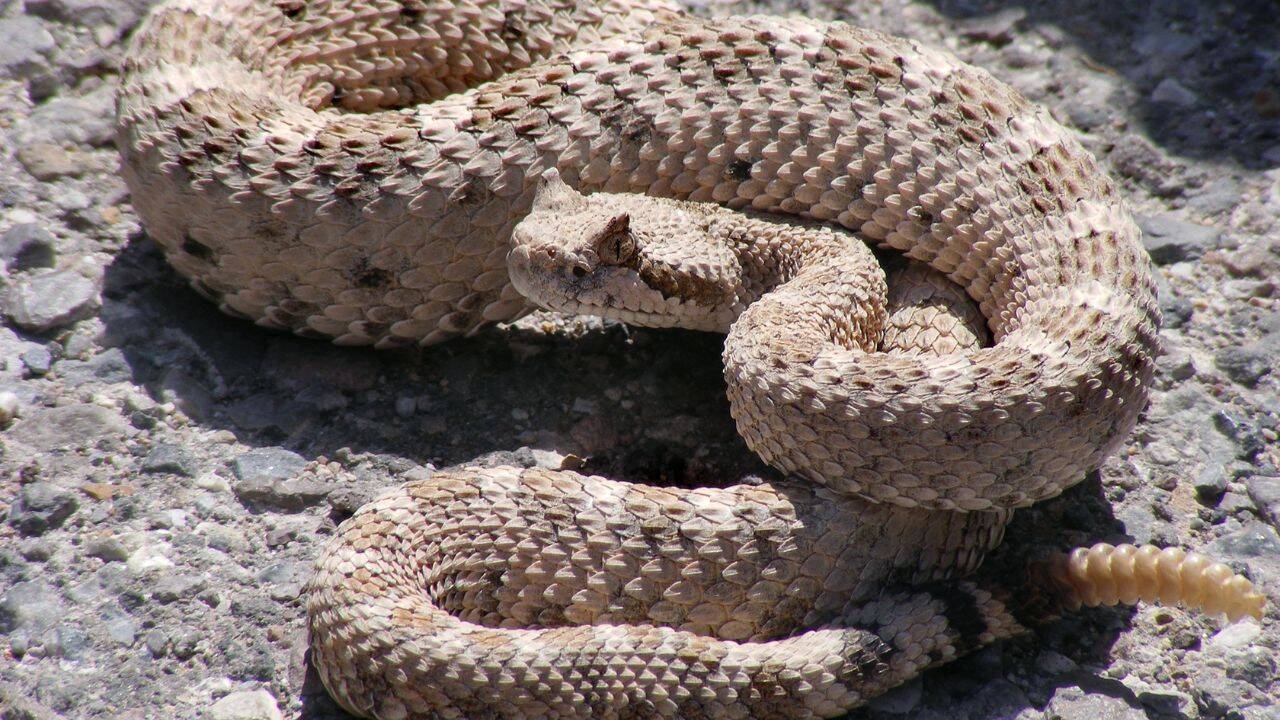
The Mojave rattlesnake is feared less because of its temperament than because of the chemical makeup of its venom. Unlike most rattlesnakes, whose venom primarily damages tissue, many species of Mojave snakes produce a potent neurotoxin that also affects the nervous system.This combination makes the bite medically serious and can cause breathing difficulties and neurological symptoms if left untreated. Even so, the species is generally shy. It prefers remote desert grasslands and open countryside, where contact with people is relatively rare.Some individuals exhibit a tinge of green, giving rise to the familiar nickname “Mojave Green,” although color alone is not a reliable method of identifying the species.
Arizona’s only coral snake is very different
Arizona’s list of venomous snakes includes a species unrelated to rattlesnakes. Sonoran coral snakes belong to the same broader family as cobras (rather than pit vipers) and are immediately identifiable by their alternating red, yellow and black stripes.It is also one of the smallest venomous snakes in North America and lives most of its life under rocks or underground. Most people have never seen it in the wild, as it is primarily active after dark and avoids open ground whenever possible.Its venom can affect the nervous system, but confirmed serious injuries are extremely rare. The snake’s small mouth and naturally secretive behavior make defensive bites rare, and there are no confirmed human deaths attributed to this species.
Mountains are people’s homes Arizona black rattlesnake
Not all Arizona rattlesnakes live among cacti and deserts. Arizona black rattlesnakes prefer cooler elevations and inhabit wooded mountains and rocky valleys in the central and northern parts of the state.Adult beetles usually turn dark brown or almost black when mature, although they have the unusual ability to lighten or darken their skin in a relatively short period of time depending on the situation. Laboratory studies have shown that its venom is much more toxic on a drop-by-drop basis than that of the western diamondback moth.Even with this powerful venom, the species is generally reluctant to bite and will often attempt to retreat if given enough space.
The Western Rattlesnake’s excellent camouflage and venom
The western rattlesnake has a wide geographic range in western North America, with several regional forms occurring in Arizona. One of the most unique creatures around the Grand Canyon, its pink and red hues help it blend almost perfectly into the surrounding rock formations.The coloring and markings of individuals vary widely depending on where they live, making identification not as simple as other rattlesnake species. Like its relatives, it relies on camouflage before taking up defense.Although modern antivenoms have greatly improved survival and recovery rates for patients who receive prompt care, bites require emergency treatment.