

Pakistan’s push to host U.S.-Iran peace talks is shaped by both urgency and opportunity. Islamabad is increasingly concerned that its defense deal with Saudi Arabia could draw it into a widening regional conflict.Pakistan will host a Quad meeting with Türkiye, Saudi Arabia and Egypt on March 30 in Islamabad. It has sought to position itself as a mediator between Washington and Tehran, seeking to de-escalate a month-long conflict that threatens regional stability and its fragile economy. while working to avoid being dragged into war through existing security commitments.
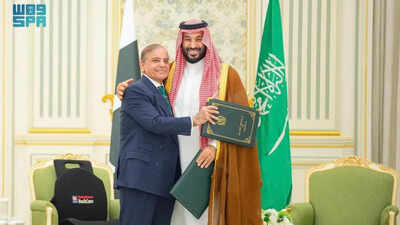
The planned quadrilateral talks are the first since tensions escalated and come as Pakistan steps up its diplomatic outreach. It is reported that it has conveyed the 15-point peace proposal made by the United States to Iran and offered to host direct negotiations.But behind the diplomatic push there is growing unease within Islamabad’s security establishment.Pakistan reportedly signed a mutual defense treaty with Saudi Arabia last year, but the treaty has now proven to be a strategic liability amid escalating hostilities. Recent Iranian attacks on Saudi territory have heightened concerns that Pakistan may be forced to choose sides in a conflict it is desperate to avoid.According to the Financial Times, Pakistani officials increasingly believe the Saudi deal “is becoming a problem,” especially as deterrence appears to have faltered without delivering the expected economic dividends.“The Saudi deal is becoming a problem for us,” the Financial Times quoted a Pakistani source familiar with the thinking of Pakistan’s senior military leaders as saying. “This is supposed to be cash for deterrence. But we didn’t get any new Saudi investment, and deterrence failed. “Islamabad’s close military ties with Riyadh and its simultaneous efforts to maintain a viable relationship with Tehran heighten the risk of entanglement.Domestic pressures complicate this balancing act.Strong anti-American and anti-Israel sentiment, combined with widespread public sympathy for Iran, especially Pakistan’s large Shia population, has limited the government’s room for maneuver. Any overt alliance with Washington or Riyadh risks triggering internal unrest.The Financial Times quoted Kamran Bockari, senior resident fellow at the Washington Council on Middle East Policy, as saying: “Islamabad’s problem is not just geo-sectarian but also the country’s rampant anti-American and anti-Israel sentiments that have fueled public sympathy for Iran during the conflict.” He further added, “Pakistanis engage in diplomacy to avoid being dragged into fighting.”At the same time, Pakistan’s leadership views diplomatic engagement as a strategic necessity. The protracted conflict in the Gulf threatens energy supplies, trade routes and already strained economies. Serving as a mediator could also enhance Islamabad’s global influence and help bolster domestic legitimacy during times of political and economic stress.Pakistan has engaged with the US and Iranian leadership through back channels, while also coordinating with regional powers such as Türkiye and Egypt. The emerging group has been compared to the loose “Islamic NATO”, although officials see it as a stabilization platform rather than a military bloc.The British “Financial Times” report pointed out that the longer the conflict drags on, the more difficult Pakistan’s balancing act becomes. Failed diplomatic efforts could erode trust with Washington and Tehran, leaving Islamabad isolated amid increased regional spillover risks.For now, Pakistan is relying on diplomacy to avoid getting itself into the line of fire. But as alliances tighten and tensions rise, its room for maneuver could shrink quickly.