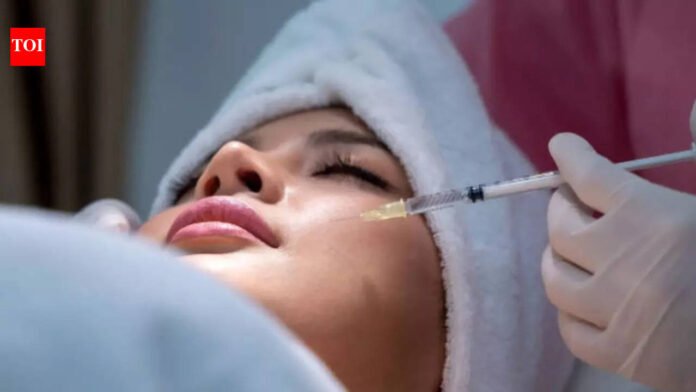
The Saudi Ministry of Health has launched an extensive inspection campaign to strengthen safety standards for cosmetic procedures performed in clinics across the country. Under the new regulations, all private healthcare providers must comply with the latest requirements designed to protect patients and ensure a higher standard of care.
Professional advisors are a must
According to the ministry’s regulations, professional consultants must directly supervise demanding procedures such as Botox, fillers and threading. This helps ensure overall service quality while ensuring practitioners meet the highest professional standards. Additionally, health authorities urge all beneficiaries to fully understand their legal rights before agreeing to receive any medical services. They should not begin any treatment without signing a written consent form that clearly explains every detail of the procedure. The Ministry of Health also recommends that patients purchase a copy of this document for personal records and future medical reference.
transparency and accountability
Patients also have the fundamental right to know the initial cost of all non-emergency services before receiving any specialized treatment to help them plan better. The ministry also strives to increase transparency in these procedures, adding that patients should receive a stamped information card detailing the specific materials and chemical ingredients used in cosmetic procedures. The public is also advised to verify a doctor’s academic credentials and professional license before beginning any medical experience. If suspicious behavior is detected or a violation is observed, the public can easily contact the Ministry of Health call center by dialing 937.
Saudi Arabia A growing health sector
The Ministry of Health has introduced these new measures to ensure greater patient protection and transparency in medical aesthetic procedures. Most recently, in February 2026, the agency took action against a dermatology clinic in Al-Qunfudhah after a doctor filmed a patient during a laser treatment and posted the video on social media. This conduct violated the Healthcare Professions Act, which protects public health and patient privacy. The Ministry of Health confirmed that it will continue to strengthen supervision of medical institutions and will not tolerate violations of patients’ rights. Saudi Arabia accounts for 60% of healthcare spending in the Gulf Cooperation Council (GCC) countries, and the sector remains a top priority for the Saudi Arabian government, according to a report by the International Trade Administration. Saudi Arabia’s healthcare market will be worth US$38.5 billion in 2024, dominated by major cities such as Riyadh, Jeddah and Dhahran.Driven by its Vision 2030 reforms, the kingdom is rapidly expanding production capacity and encouraging private sector investment. The government aims to increase the private sector’s share of hospital beds to 68% by 2030, from just 23% in 2023. Improving the safety and quality of cosmetic surgery is another step in strengthening the kingdom’s rapidly growing healthcare system.