
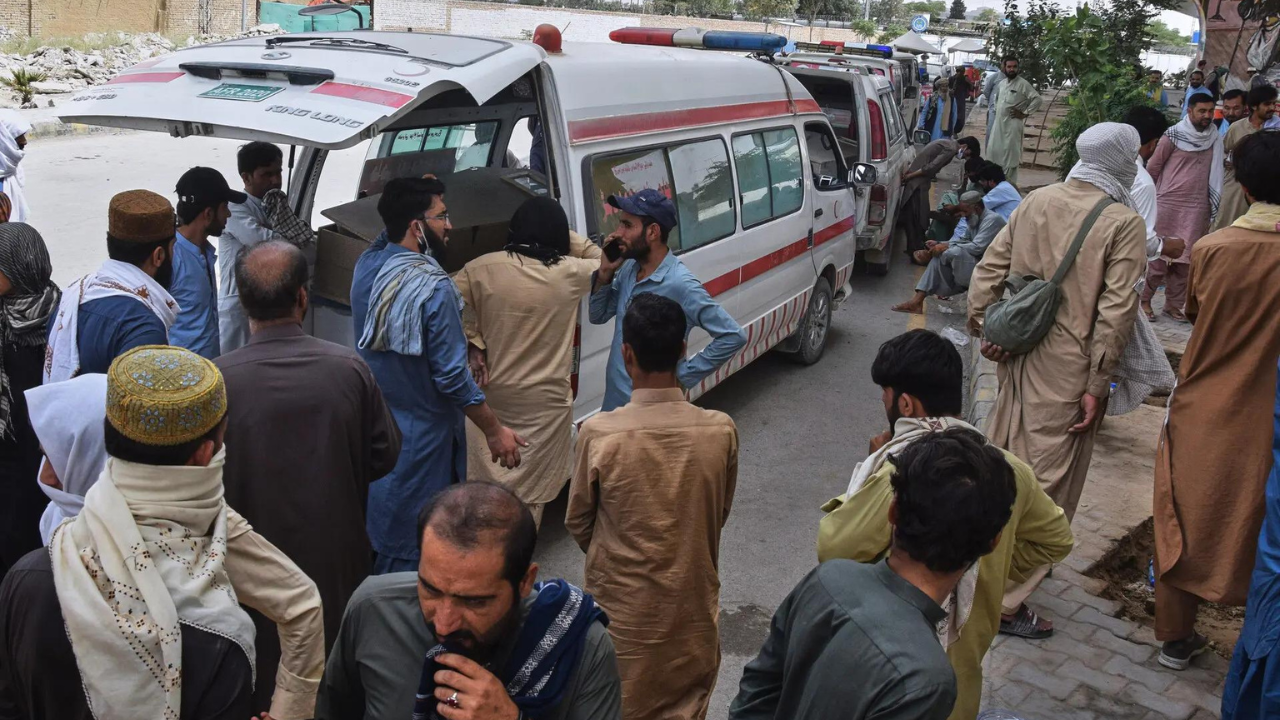
Pakistan’s security forces have killed at least 88 militants since July 5 in a major counter-insurgency operation in restive Balochistan province, the government in Islamabad said on Saturday.Interior Minister Mohsin Naqvi said nine militants were killed in the past 24 hours, adding that the total number of militants killed in Operation Shaban had risen to 88.“The total number of terrorists killed since Operation Shaban on July 5 has reached 88,” Naqvi said.The ongoing operation involves Pakistan’s army, paramilitary rangers and border guards, with security forces conducting coordinated ground and air attacks on militant hideouts across the province.The operation was launched after a wave of coordinated armed attacks in Balochistan on July 5.The deadliest attack targeted a police checkpoint at Manjhi Dam in Ziarat district, where militants killed nine policemen and then abducted 18 others. Officials later found the body of the kidnapped policeman in the Zalhoungar mountains near Ziarat.The killing sparked outrage and the family of the slain policeman continued a sit-in protest at Koila Phatak Chowk on the outskirts of Quetta. Protesters are demanding justice for the victims and stronger security measures by law enforcement.Grieving family members brought eight of the 18 bodies from the Quetta City Civil Hospital to the protest site on Friday and said they would not bury them until the government assured them of justice and better protection of police personnel.On July 5, violence also occurred in the Hanna Urak Valley near Quetta. Militants attacked local tribesmen, killing 5 people, wounding 8 others and kidnapping 11 people.The kidnapped tribesmen were rescued on Friday night, prompting their relatives to end another protest near Quetta’s Airport Road.Balochistan, Pakistan’s largest but least populous province, has endured a decades-long insurgency. Baloch groups have long accused the federal government of fueling periodic outbreaks of violence by exploiting the province’s rich natural and mineral resources while neglecting local development.