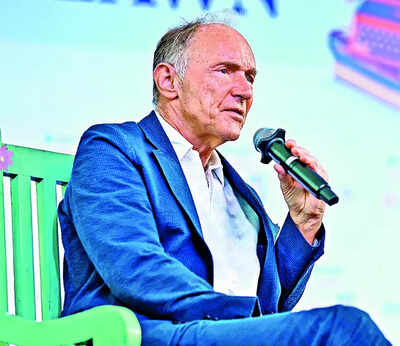
Sir Jim Ratcliffe placed the cat among the pigeons. In an interview with Sky News, the billionaire from Monaco and Manchester United The co-owner claims Britain has been “colonized by immigrants”, linking immigration to welfare dependency and national decline. The comments sparked political condemnation, unease among fans and a disturbing reckoning with the travesty of one of the world’s most international football clubs.
What Sir Jim Ratcliffe said
Sir Jim Ratcliffe made a single, continuous argument linking immigration, welfare and population growth in an interview with Sky News. Here’s the full paragraph that sparked the backlash:“You can’t have an economy with nine million people on welfare and a huge influx of immigrants. I mean, Britain was already colonized. It costs too much money. Britain has been colonized by immigrants, really? I mean, the UK population was 58 million in 2020 and now it’s 70 million. That’s 12 million people. “Structure is important. Immigration is described as a financial drain, welfare as choice rather than circumstance, population growth as evidence, and “colonization” as the conclusion that ties it all together.
Who he is – and why Monaco matters
Ratcliffe is the founder of Ineos, the richest man in the UK, and the most influential figure in the leadership of Manchester United after the minority stake acquisition. He is also a resident of Monaco, a low-tax jurisdiction synonymous with elite mobility. The decision was legal, but it affected people’s perceptions. When people who do not pay UK income tax talk about the financial burden on the country, critics argue that the argument cannot be separated from the privilege of making it.
Why Ratcliffe’s data is wrong
The controversy intensified as the figures failed to withstand scrutiny.During this period, the UK population did not jump from 58 million to 70 million. Around 2000, the UK population reached approximately 58 million. By 2020, the population was close to 67 million, reaching about 70 million just a few years later. Compressing decades of demographic change into a recent population boom distorts reality.Welfare claims are equally misleading. Despite high welfare levels in the UK, immigrants are, on average, more likely to be in work than the UK-born population. Available data do not substantiate the claim that immigrants choose welfare over employment.
How the UK political and media ecosystem is reacting
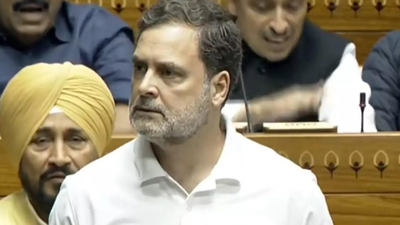
Keir StarmerBritish Prime Minister Keir Starmer called the comments offensive and wrong, saying Britain was a proud, tolerant and diverse country and that Ratcliffe should apologize. The focus is on the responsibilities of public figures, not on suppressing debate.Piers MorganBroadcaster Piers Morgan responded directly on So he’s a notorious race-baiting hypocrite. “Tommy RobinsonFar-right activist Tommy Robinson used the moment to express selective outrage, claiming media and political outrage over Ratcliffe was overshadowing attention on other scandals he had prioritized.
How did Manchester United fan groups react?
The worst discomfort comes from within football.The Manchester United Supporters’ Trust (MUST) warned that such language could alienate supporters and undermine the club’s inclusive identity, stressing that United’s past and present are inextricably linked to diversity and immigration.Manchester United’s Muslim Supporters’ Club said the comments echoed language from historically marginalized communities and could make fans feel unwelcome at the club they consider home.Football’s anti-racism body Kick It Out said the comments were divisive and inconsistent with the values the sport has worked hard to promote for decades.None of these responses suggested that immigration policy should be criticized. They were concerned with tone, symbolism, and institutional accountability.
Why irony is inevitable
Manchester United is a product of immigration. Its greatest teams were formed by players born outside England. Its current lineup spans every continent. Its global revenue relies on fans reaching far beyond the borders of the UK. Cross-border mobility is not an accidental factor in a club’s success. This is fundamental. For a co-owner of such an institution, describing immigration as “colonization” is not only contradictory. It exposes the disconnect between the forces that created modern excellence and the narratives used to explain national anxieties.Manchester United’s history and present are inextricably linked to immigration. The modern club was relaunched by Eric Cantona, globalized by Cristiano Ronaldo, led by Peter Schmeichel, led by Irish-born Roy Keane and anchored by Nemanja Vidić, Patrice Evra and Edwin van der Sar. and other figures defined in the Ferguson era. This dependence has not gone away. The team currently uses Bruno Fernandez as the creative axis, and the main offensive players come from Matthews Cunha and Brian Mbemo. Remove the immigrant players from Manchester United and you don’t get a weaker version of the same club. You get a completely different club – one that has been stripped of the power to make it modern, competitive and global.
bottom line
Ratcliffe’s formulation – clumsy, inaccurate and provocative – is at the heart of Britain’s current immigration debate.Anxiety about immigration has been the most powerful political force reshaping Britain for years. It is the driving force behind the rise of reformism in Britain, the erosion of traditional party loyalties, and the perception among voters that elite institutions talk about issues rather than talking about them. It’s also why Keir Starmer remains personally unpopular despite winning the presidency – caught between a base of voters demanding moral clarity and voters demanding straight answers.What makes Ratcliffe’s intervention important is not its originality but its origin. When a billionaire industrialist, football boss and establishment insider speaks out about rhetoric once restricted to fringe politics, it’s a sign that the Overton Window has changed. Language that might have ended careers before is now being circulated in prime-time interviews.This does not suggest that the claim is correct. Ratcliffe’s figures are wrong, his framing is careless, and his metaphors are rich. But the reaction to his remarks — like the remarks themselves — revealed a country in which immigration is no longer a matter of policy details but a matter of national self-understanding.In this sense, Ratcliffe does not spark new debate. He reveals how far the old man has gone.