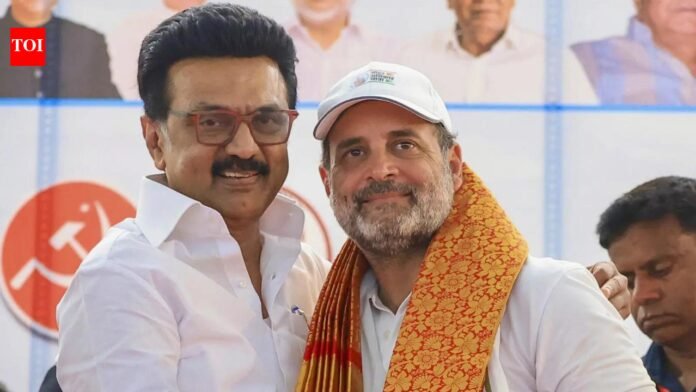
New Delhi: Elections in India are run not just through ideas and manifesto promises but also through images in the public eye. In the 2026 parliamentary elections, congress depends on its allies in tamil nadu, Rahul GandhiThe approach to coalition politics raises questions about whether the great old party is doing enough to achieve unity on the ground.At the heart of this suspicion lies a simple but powerful political tool: the joint rally. In a highly visual campaign, sharing the stage is not just symbolic; This is strategic. It means cohesion to voters, clarity to cadres, and credibility to coalitions. Instead, its absence creates space for speculation, which the opposition often exploits to sow doubt in the minds of voters.
The gap between strong alliances is obvious
In Tamil Nadu, Congress contests as part of long-term alliance with Tamil Nadu DMK Under Stalin, the flaws in the alliance’s optics were quite obvious.In the previous elections, Rahul Gandhi and Stalin shared the stage, showing camaraderie and strengthening the alliance through apparent coordination. This time there is a lack of visual continuity.Despite the high stakes of the election, the two leaders did not appear together at a joint rally. The absence prompted political commentary and opposition attacks.Follow complete coverage of 2026 parliamentary electionsTOI resident editor Arun Ram noted that this was clearly a missed opportunity: “The DMK and Congress have failed to bring these two leaders together… I think if they had come together for at least one public rally, they would have sent a strong message that the alliance is strong enough.”
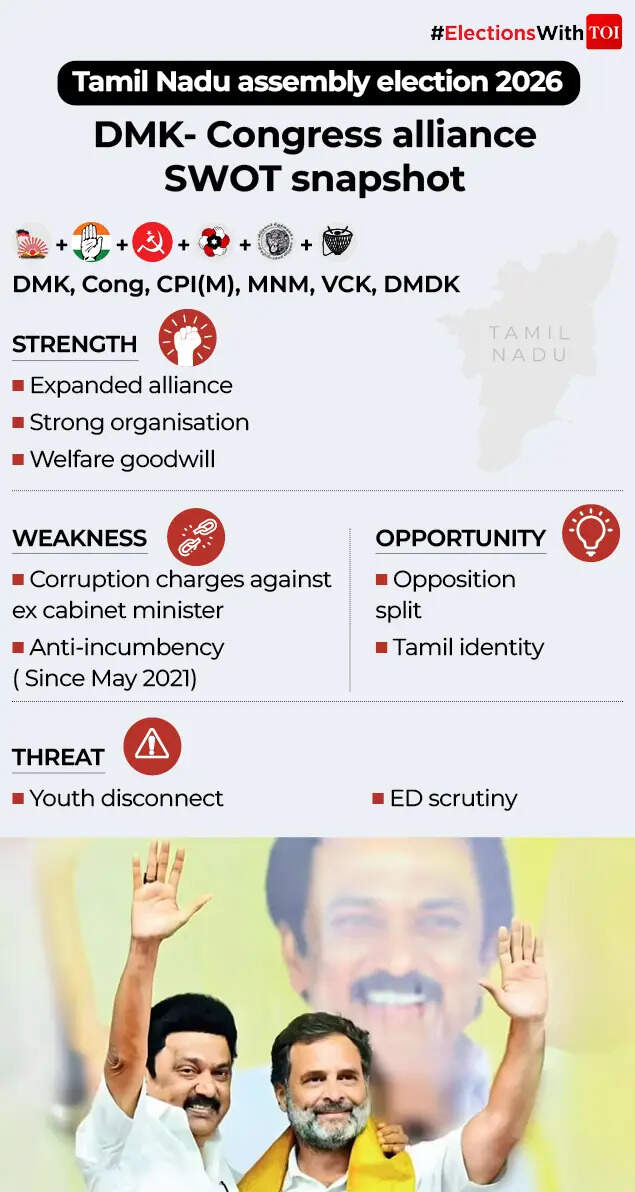
The explanation in DMK circles was that the schedule changes would have disrupted Stalin’s campaign by dozens of stops, but that did not offset this cognitive cost.This cost has been compounded by the presence of Aam Aadmi Party chief Arvind Kejriwal, who recently shared the stage with Stalin at a roadshow in Chennai. For viewers and voters, the sight was telling: a leader with limited electoral power in Tamil Nadu stepped in to show unity, while the Congress party’s key face remained absent from the joint platform.
cognitive risk
The optical gap in Tamil Nadu does not exist in isolation. This comes against a backdrop of tension within the league.A section of the state Congress leadership had earlier raised the issue of power sharing, mooting the idea of an alliance arrangement, but the DMK had firmly resisted this. While the central leadership moved to curb these demands, political signals were sent.In this case, the “missing” Rahul Gandhi will have more impact. In this case, a joint rally can at least serve as a visual reassurance that real or perceived differences will not affect the state’s alliance.Arun Ram highlighted this dynamic: “..given the context in which we are seeing demands from a section of Congress leaders for power sharing… There was some tension between Rahul Gandhi and Stalin, at least there were rumors. “The lack of a common stage allowed these rumors to spread. Rivals such as the All India Anna Dravida Munnetra Kazhagam (AIADMK) and the Bharatiya Janata Party were quick to amplify these perceptions, describing the alliance as tense rather than cohesive.While the opposition in Tamil Nadu, led by the AIADMK, appears stronger in its electoral alliance with the BJP, it has orchestrated a high-intensity campaign as polling horns sounded across the state.The AIADMK, the main challenger to the ruling DMK under the leadership of former chief minister Edappadi K Palaniswami, held a series of lively rallies to draw momentum from its partnership with the state leadership.Contrary to the fact that Stalin and Rahul made no joint appearance and showed no clear signs of insecurity or rift, EPS opted for a wider alliance display.He joined partners and top national figures, including Prime Minister Narendra Modi and Home Minister Amit Shah, in running a campaign that blended regional interests with national influence.
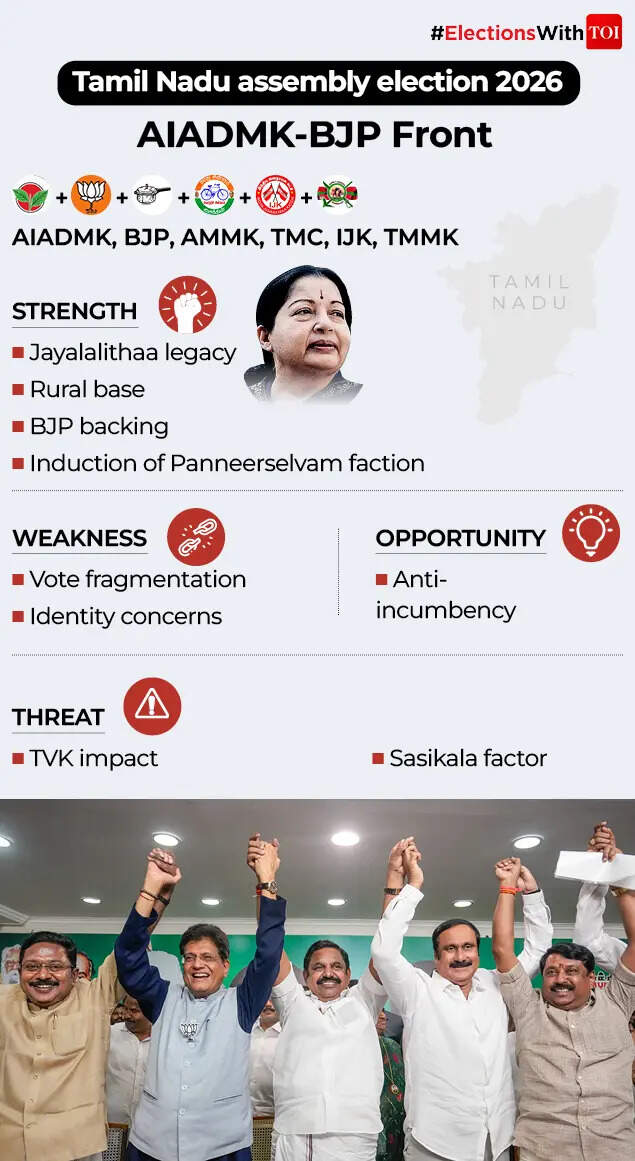
“Rahul Gandhi does not want to campaign with MP Stalin. He wants to campaign alone. MP Stalin does not want to campaign with Rahul Gandhi; he wants to campaign alone,” said BJP leader K Annamalai. In previous elections, the relationship between Rahul and Stalin was seen as a deep personal friendship. From sending candy to calling each other “brother, brother,” these measures are all aimed at bringing a sense of unity to grassroots cadres.This time, however, the frame is strangely empty, as both leaders operated on parallel tracks during the campaign.
“MIA” Rahul Gandhi
What we are seeing in Tamil Nadu during this assembly election is nothing new. A similar pattern of limited coalition campaigning is seen from Rahul Gandhi’s side in various key states.In Bihar, Congress-RJD alliance consists of Tejashvi Yadav There are also coordination issues.Tejashwi’s frequent campaigning, which typically involves multiple rallies every day, is not matched by Rahul Gandhi’s continued coalition presence. In the 2025 elections, reports of a “postponed” joint vote with Tejashvi for the Adhikar Yatra have further reinforced the idea that the two leaders would find it difficult to coordinate their presence even in an existential situation.The alliance with the Jammu and Kashmir National Conference (NC) is also fraught with visual differences. The chemistry between Omar Abdullah and Rahul Gandhi has fluctuated wildly ahead of the 2024 elections and local government changes over the next two years.
Comparison within the Indian Group
Meanwhile, Arvind Kejriwal’s decision to campaign against Stalin and Mamata’s rallies in 2026 also highlights the differences in how alliance politics is conducted within the wider opposition.Leaders like Arvind Kejriwal have taken a more proactive approach – campaigning across state lines, sharing platforms with regional allies and reinforcing a broader anti-BJP rhetoric, even in areas where their party’s direct interest is limited.
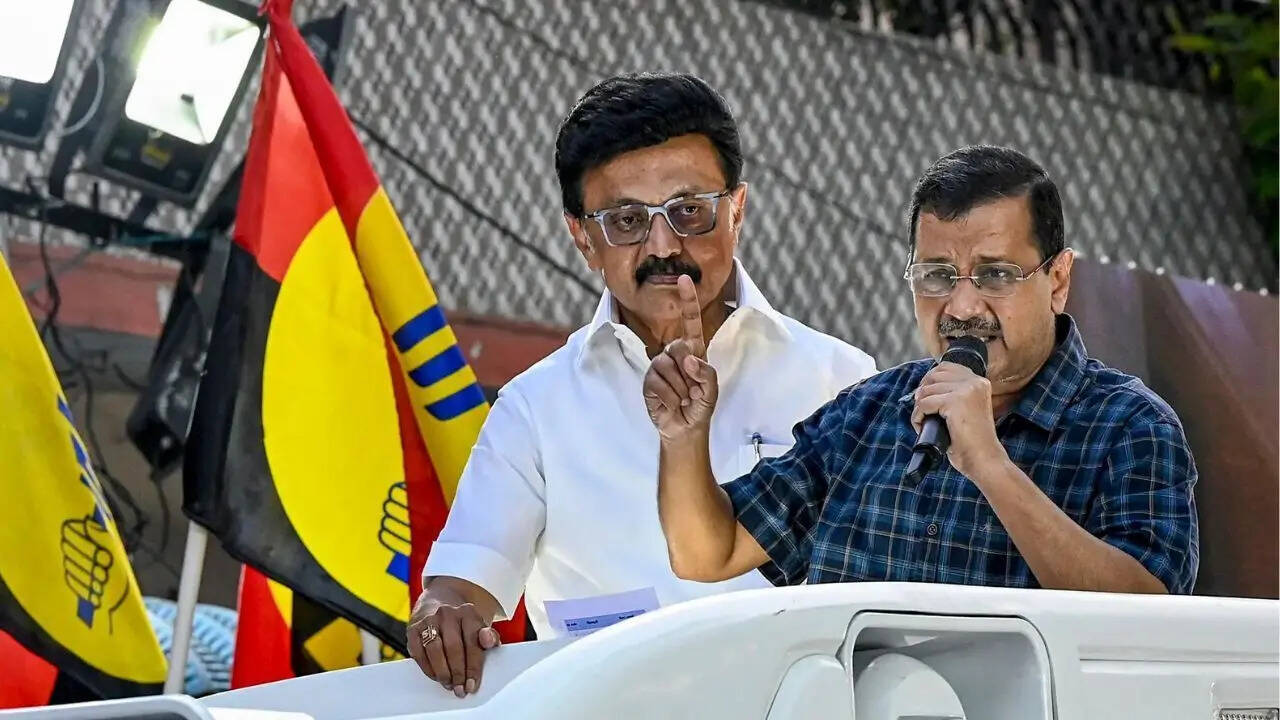
This approach is evident not only in Tamil Nadu but also in West Bengal, where Kejriwal is expected to campaign on Mamata Banerjee’s invitation.At the grassroots level, alliances work through coordination among cadres from different parties. This coordination depends largely on the signals sent by leadership.
The price of not meeting
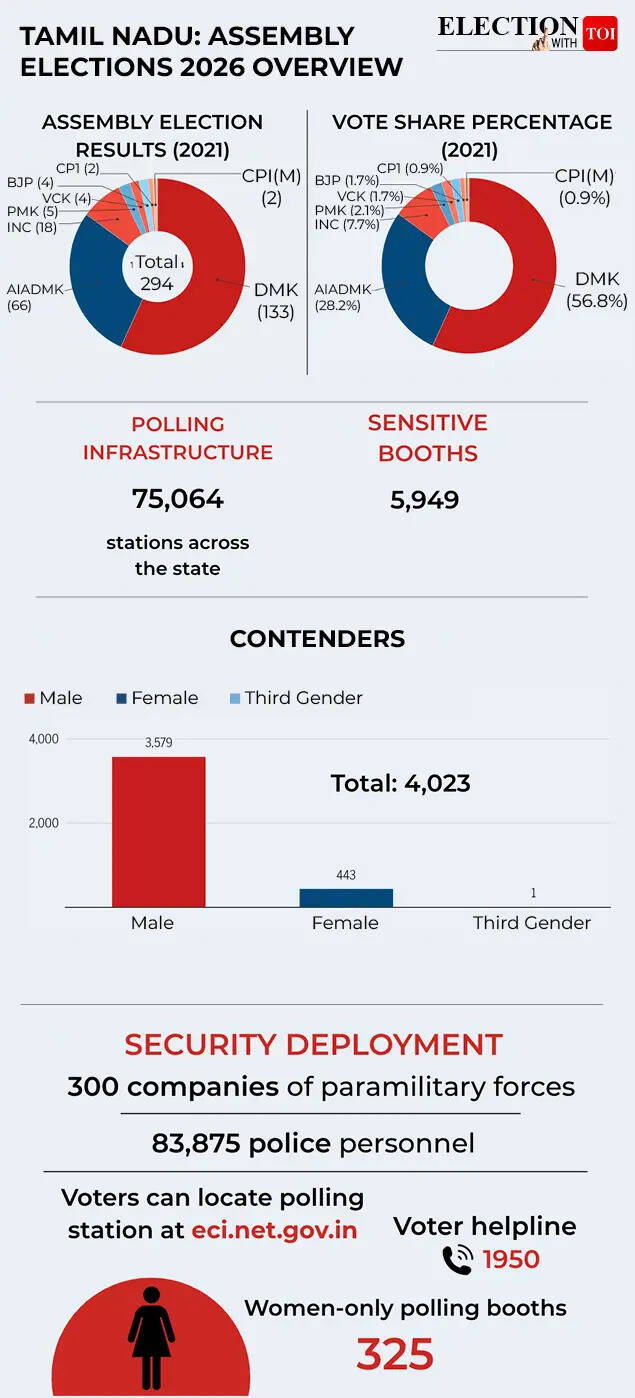
The Congress party under Rahul Gandhi succeeded in forging an alliance that was strategic and necessary on paper. But elections are more than just words.They fight on stage, in images, in moments that demonstrate unity to voters and confidence to cadres.A joint rally in Tamil Nadu is likely to bolster perceptions of a united alliance.Instead, their absence raises a recurring question: Is the alliance as united on the ground as it is on paper?Tamil Nadu held single-phase voting on Thursday with a turnout of over 84%, breaking all previous records. When the results are announced on May 4, the effectiveness of the Congress-DMK alliance will ultimately be judged not just by appearance but by the actual election results.It remains to be seen whether the coordination gap between Rahul Gandhi and Stalin will translate into votes.