
Stepping outside in the middle of summer can feel unbearable. Walking inside, things weren’t much better. With temperatures exceeding 40°C in many parts of India, staying cool at home is no longer a comfort but a daily struggle.


Air conditioning may seem like the obvious solution, but not everyone can afford it or even have it installed. Due to upfront costs, rising electricity bills, and practical issues with rental housing, air conditioning isn’t right for most people.
The good news is, you don’t always need one. Indian households have been relying on a combination of smart appliances and simple tricks to cope with the heat. Even today, there are some affordable cooling options that can make a real difference if you know what actually works.
Why air conditioning isn’t always practical
In theory, AC solved the problem. In fact, they face their own set of challenges.
The first is cost. Buying an air conditioner is just the beginning, you’ll also need to pay for installation, stabilizers in some cases, and regular maintenance. It can quickly turn into a long-term expense.
Then there’s the power consumption. Running your air conditioner for several hours a day during the summer can result in a significant increase in your monthly energy bill, which is something many households are trying to avoid.
There is also the issue of flexibility. If you live in a rental or move frequently, installing a split air conditioner isn’t always convenient. Even window air conditioners require proper space and setup.
Because of this, many people are looking for options that are easier to manage, save money, and still provide good relief from the heat.
Budget cooling options in India
Air coolers: still the most practical option
If there’s one device that’s closest to air conditioning without costing as much, it’s the air cooler.
There is a reason why they are widely used in India as they are affordable, easy to maintain and do not consume much electricity. From large desert coolers for larger rooms to compact personal coolers, there’s something for every space.
In dry areas, especially North India, air coolers work amazingly well. The air feels fresh without being dry, and cool enough for everyday comfort.
That said, they require proper ventilation to function properly. Keeping windows slightly open helps air circulate better. While they struggle in humid weather, under the right conditions they are easily the best budget alternative to air conditioners.
Fans do more than just spin
A fan may seem simple, but the right fan can change the feel of a room.
High-speed ceiling fans improve airflow throughout the room, making the heat more bearable. BLDC fans are of particular interest because they consume much less power and are designed to be used for longer periods of time.
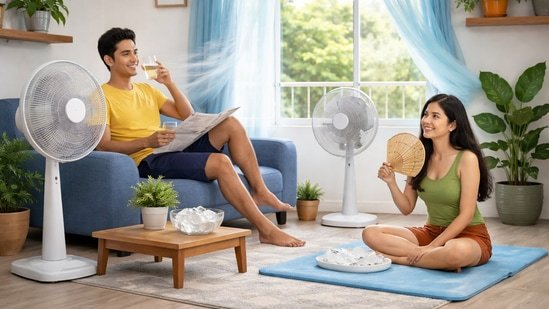
Floor and table fans are also useful, especially when you need concentrated airflow. Instead of cooling the room, they cool you directly, and sometimes that’s enough.
In many homes, upgrading to a better fan setup can make a significant difference on its own without adding too much to the budget.
Portable air conditioners: flexible but not cheap
Portable air conditioners are often considered a simpler alternative to traditional air conditioners. They do not require permanent installation and can be moved from room to room.
This sounds ideal for renters or people who don’t want a permanent setup. But there are trade-offs.
Portable air conditioners are still expensive compared to coolers and don’t provide as cooling effect as split air conditioners. They also consume quite a bit of electricity.
So while they solve the flexibility problem, they don’t entirely solve the cost problem.
little fan
Sometimes, the problem isn’t just heat, but poor airflow. This is where air circulators come into play.
Unlike regular fans, they are designed to circulate air throughout the room, not just in one place. This helps reduce the closed, stuffy feeling.
Desk fans and small portable fans are also suitable for personal use—at your desk, beside your bed, or in a small room.
They won’t lower the temperature, but they will make the environment more comfortable, which is often what people really need.
Low-cost cooling tips that still work
Not every solution requires a plug. Some of the most effective cooling tips are simple and have been used in Indian homes for many years.
Damp curtains or khus curtains are a good example. As air passes through them, it cools slightly before entering the room.
Another common trick is to put ice or cold water in front of the fan. It’s not a replacement for a cooling unit, but it does provide temporary relief.
Opening windows at night lets in cool air, especially after the sun goes down. Morning ventilation works the same way.
These methods may seem basic, but when combined with other options, they can actually help reduce the overall heat in your home.
Cool bedding and everyday comfort
A lot of summer discomfort comes from body temperature, not just room temperature.
Switching to cotton sheets instead of synthetic sheets can make a big difference. Cotton allows for better air circulation and feels lighter on the skin.
Bamboo mats are another simple option that many households still rely on. They don’t trap heat and you’ll feel cooler while sleeping.
Even small changes, like using a lighter blanket or breathable pillowcase, can improve your nighttime comfort.
Manage Power: Inverter and Solar Support
While not directly related to cooling, backup power plays an important role in summer comfort.
Frequent power outages can render even the best cooling unit useless. Inverters ensure fans and coolers keep running when you need them most.
Some households are also turning to solar power to reduce electricity costs, especially if they rely heavily on cooling equipment during the summer.
Cooling your home is also about smart habits
Cooling isn’t just about the product you buy, it’s also about how you manage your space.
Stop heat from entering your home in the first place. Thick curtains, blinds, or even simple shades can reduce direct sunlight.
Try to avoid using electrical appliances that heat up during the day. Cooking, ironing or even turning on too many lights can raise the room temperature.
Light-colored interiors reflect heat better than dark interiors, which helps keep the room slightly cooler.
Even indoor plants, while not a primary cooling solution, can improve the overall feel of a space and make it more comfortable.
What really works in Indian conditions
There is no one solution that works everywhere. The best setup depends on your location and living conditions.
In dry areas, air coolers combined with proper ventilation work very well.
In humid cities, fans and airflow are even more important because coolers lose their effectiveness.
For small rooms, a combination of high-speed fans and simple cooling techniques is usually enough.
If your budget allows, adding a portable air conditioner can improve comfort, but it’s not always necessary.
in conclusion
Just because you don’t have air conditioning doesn’t mean you have to live with it all summer. Staying cool is entirely possible with the right combination of appliances and making simple changes around your home.
Rather than relying on one expensive solution, it’s often better to mix and match, using coolers where they work, improving airflow with better fans, and supporting it with small daily habits.
In the end, dealing with Indian Summer isn’t about spending more money, it’s about making smarter choices that work for your home and budget.
Give you similar stories
Top-of-the-line 1-ton air conditioner provides powerful cooling for small rooms
Planning to buy an air conditioner in 2026? These 8 air conditioners are worth considering
Disclaimer: At Hindustan Times, we help you stay updated with the latest trends and products. Hindustan Times has affiliate partnerships, so we may get a share of the revenue when you make a purchase. We are not responsible for any claims relating to the products under applicable law (including but not limited to the Consumer Protection Act 2019). The products listed in this article are in no particular order of preference.


