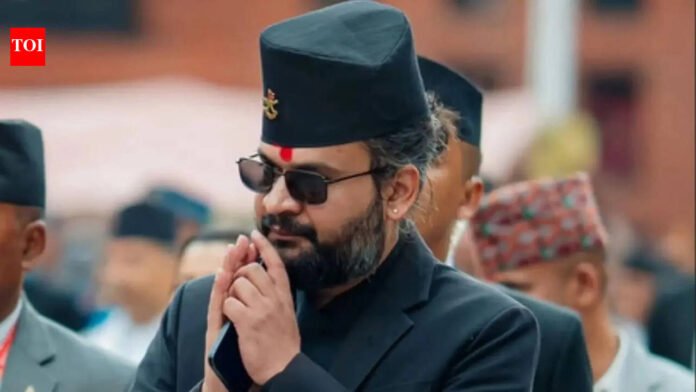
New Delhi: Nepal Prime Minister Balendra “Barun” Shah has accepted Prime Minister Narendra Modi’s invitation to visit India even as he unveiled a comprehensive and aggressive 100-point governance agenda at home targeting VIP culture, political clout in campuses and bureaucracies, delays in public services, free healthcare for the poor, safer public transport for women and stress-free education for young children. Foreign Minister Shishir Khanal said, “The Nepali government has accepted the invitation and the foreign ministries of both countries are preparing for the visit.” He said the trip to New Delhi would be the Shah’s first major diplomatic event since taking office. The last official visit to India by the Prime Minister of Nepal was by Pushpa Kamal Dahal “Prachanda” in June 2023.Meanwhile, the new government in Kathmandu has proposed a series of changes, proposing to cut the number of federal ministries, ban political affiliations in various departments of state institutions and replace party-affiliated student groups with non-partisan platforms.
The immediate aim of the reform program was to exert political influence in education and the civil service. Under the new regulations, party-affiliated student organizations in schools and universities will be dissolved within 90 days and replaced by non-partisan student unions or “student voice” platforms. Announcing the move, Shah said, “Schools and colleges will no longer serve as arenas for political activities but will serve only as centers of learning.”The Shah demanded that photos of political leaders be removed from government offices and banned private media from publishing government ads. In an announcement that drew applause, Shah said ministers and government employees must send their children to public schools, rename universities with foreign or colonial names and provide employment opportunities to the families of students killed in protests in 2025.A key part of the new package is to provide preferential treatment in public life, including roadblocks and privileges around VIP convoys, while seeking greater accountability across agencies. The agenda also includes a “zero backlog” campaign aimed at reducing bureaucratic delays, and a proposal to reduce the number of federal ministries to 17.Gen Z activists who were at the forefront of the September 2025 protests are now watching to see whether the new government delivers on its promises. “The law should be delivery-oriented and state authorities should be restructured from the perspective of ordinary people,” said Majid Ansari, 25, a final year law student. “The overall reform is to loosen governance and make public services more accessible.”