NBA is about to make major rule changes to crack down on teams deliberately losing games to get better draft picks International Sports News

this NBA is heading towards one of the most significant rule changes in years, not on the field but in how teams build their future. At its core is a long-standing problem with “tanking,” and a proposed solution called the “3-2-1 Draw” that would change the way young talent enters the league. According to ESPN reporter Shams Charania, the league has formally submitted this proposal to the general managers of all 30 teams, and it is expected to be voted on by the Board of Governors on May 28. The framework has been discussed at a number of meetings with bosses, executives and competition committees, and while minor tweaks are still possible, its core ideas have gained widespread support. To understand why the league is considering such a shift, start with the system in place today and why it creates unexpected incentives.
What “tanking” means and why it’s a problem
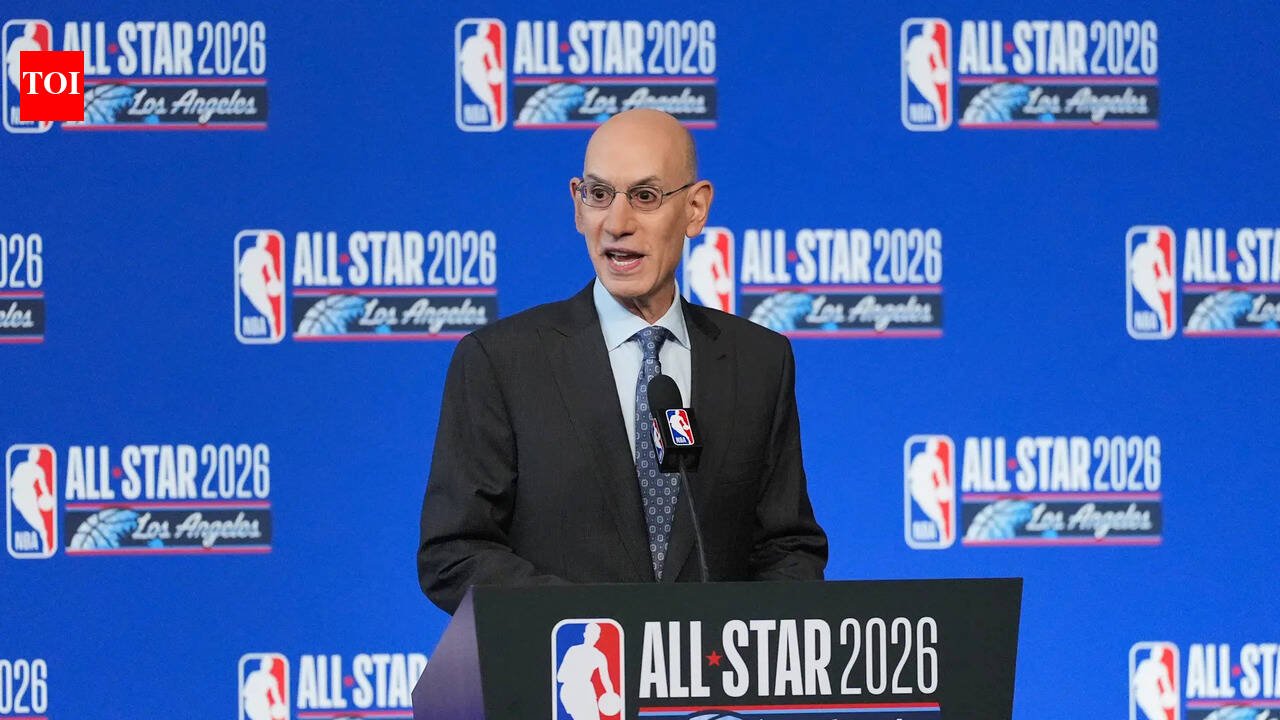
Simply put, tanking is when a team deliberately weakens its chances of winning a game, usually late in the season, to ensure a better draft pick next season. The draft is an annual system by which the league allocates new players (usually from college or international leagues) to NBA teams. The worst team in the regular season is given the best opportunity to draft first, which is important because the No. 1 pick usually brings in franchise-changing players. To prevent a team from just finishing last and automatically getting the No. 1 pick, the NBA uses a lottery system. This is a weighted draw that determines the order of the best picks, with worse teams getting better odds. Even with this system in place, the incentives are still clear. If finishing last improves your chances of landing a top prospect, then losing games, especially late in the season, may become strategically valuable. That’s what the league is now trying to prevent. NBA commissioner Adam Silver addressed the issue directly earlier this year, saying the current structure forces teams to “do whatever it takes to maximize their chances of being drafted” and confirming reform is a priority. Two teams were fined in February for the league prioritizing draft position over winning, with the Indiana Pacers fined $100,000 and the Utah Jazz fined $500,000.
How the current draft lottery works
Under the current system, the 14 teams that missed the playoffs will enter the draft lottery. The team with the worst record has the highest probability of receiving the No. 1 pick, although that odds are somewhat flattened compared to earlier versions of the system. The aim behind earlier reforms introduced in 2019 was already to reduce the deficit by giving the three worst teams similar odds. But even with such an adjustment, there is still an advantage at or near the bottom. This is the dynamic that the new proposals seek to reverse.
What the “3-2-1 Lottery” Proposal Changes
The proposed system introduces several interrelated changes, all of which revolve around the same idea: being the worst team in the league should no longer be the most valuable position. First, the draw will be expanded from 14 teams to 16 teams. This means more teams are still vying for the top draft spot, broadening the field of competition. Second, and more importantly, the distribution of lottery odds will be reshaped. The model is called “3-2-1” because it allocates a different number of draws based on a team’s standing, often described as the “balls” in the draw. Teams ranked just above the bottom, especially those with the fourth to tenth worst record in the league, will gain the strongest advantage. These teams will receive three lottery picks each, effectively making them the favorites to land the No. 1 pick. In contrast, the three teams with the worst records would enter what the proposal describes as the “relegation zone.” These teams will only receive two lottery picks each, meaning their odds will actually be worse than teams that perform slightly better during the season. The message is simple. Rather than incentivizing teams to lose as many games as possible, the system rewards teams that remain competitive enough to avoid the absolute bottom of the table.
How the rest of the system will be built
The proposed “3-2-1” NBA draft reform aims to reduce intentional losing or “tanking” by reshaping how draft positions are awarded and how end-of-season rankings are handled. According to the plan, all 16 teams that missed the playoffs will enter the draft lottery area, instead of only the worst-performing teams having the strongest chances.To reflect how close a team is to making the playoffs, the system ties draft lottery chances to regular season completion and NBA play-in game performance. The play-in tournament amounts to a mini-playoff for the teams ranked 7th to 10th in each league, with teams ranked 1st to 6th automatically qualifying for the playoffs.In the play-in tournament, teams compete for the final two playoff spots in each division. The seventh- and eighth-place teams play first, with the winner receiving the seventh seed and an immediate playoff spot. The loser is not eliminated immediately but gets a second chance by playing the winner of games 9 and 10. The winner of the last game will get the eighth and final playoff spot, while the loser will be eliminated from the playoffs entirely.Under the proposed changes, draft lottery odds are also used to reflect a team’s competitiveness throughout the season and how close they are to the playoffs. The teams that finish 9th and 10th will receive two lottery balls as a reward for staying competitive and making the play-in bracket, which is actually a stronger consolation for narrowly missing out on the playoffs.In contrast, the seventh and eighth seeds receive only one lottery ball if they fail to advance through the play-in round, as they are considered the strongest of the non-playoff teams and therefore least in need of draft aid.The overhaul also restructured the late lottery picks, with picks 12, 13 and 14 actually being reserved for teams that narrowly missed the playoffs and were often described as “the best of the rest.” Additionally, it bans protected draft picks in the 12-15 range to ensure traded draft assets are fully realized and introduces safeguards to prevent teams from acquiring consecutive No. 1 picks. Selected once or ranked in the top five multiple times for several consecutive years. There is a partial safety net for the bottom three teams. Although their chances of getting the No. 1 pick will decrease, their draft pick will not be lower than No. 12.
Why the coalition thinks this will change behavior
The central idea behind the overhaul is rooted in behavior rather than pure math, as the league seeks to reduce the incentives for teams to lose on purpose while improving competitiveness across the league. A team finishing near the bottom of the season will no longer benefit from falling further down the table. In fact, it has a case to win and move out of the bottom three with low lottery odds. Meanwhile, teams outside of the bottom tier will have an incentive to continue competing because their position, rather than a worse position, will now have the best chance of landing a top prospect. As Charania reported, league officials believe the system will “encourage winning, especially in the second half of the season,” since tanking behavior has historically been most apparent at this time.
Timetable and what happens next
The proposal has not yet been finalized. The NBA Board of Governors is expected to vote on May 28, and the system may still undergo minor adjustments before it is officially adopted. If approved, the changes would take effect starting with the 2027 NBA Draft and have a built-in review period. The proposal includes a so-called sunset provision, meaning the system would run through the 2029 draft before the league decides whether to continue the system or introduce further changes. That timeline is consistent with the current collective bargaining agreement, which runs through the 2029-30 season.
League attempts to rebalance incentives
The NBA has tweaked its draft system before, most recently in 2019, but this proposal represents a more direct attempt to reshape incentives across the league. At its core, the issue is not just competitive balance, but credibility. When teams are seen as benefiting from losing, it affects how fans, players and business partners view the league. Silver acknowledged the decision had “business implications, basketball implications, [and] Integrity Impact,” adding that the alliance is committed to addressing the issue. The “3-2-1 draw” is by far the clearest sign of how hard the NBA is willing to go to make this happen, by ensuring that over the course of a season, trying to win once again becomes the most rational strategy.