
Meet the plastic warriors: Three Indian teenagers win Earth Prize for creating a tamarind solution to remove microplastics from water |


What started as an issue about drinking water contamination has turned three Indian teenagers into internationally recognized young innovators. Vivaan Chhawchharia, Ariana Agarwal and Avyana Mehta, 16, have been named Earth Prize Asia winners 2026 for creating ‘Plas-Stick’, a biodegradable solution that uses powdered tamarind seeds to remove microplastics from water. Inspired by visits to rural communities where households store drinking water in shared containers without advanced filtration systems, the trio developed a low-cost approach aimed at addressing growing concerns about invisible plastic contamination in drinking water.
Indian teen invents ‘Plas-Stick’ to fight microplastics
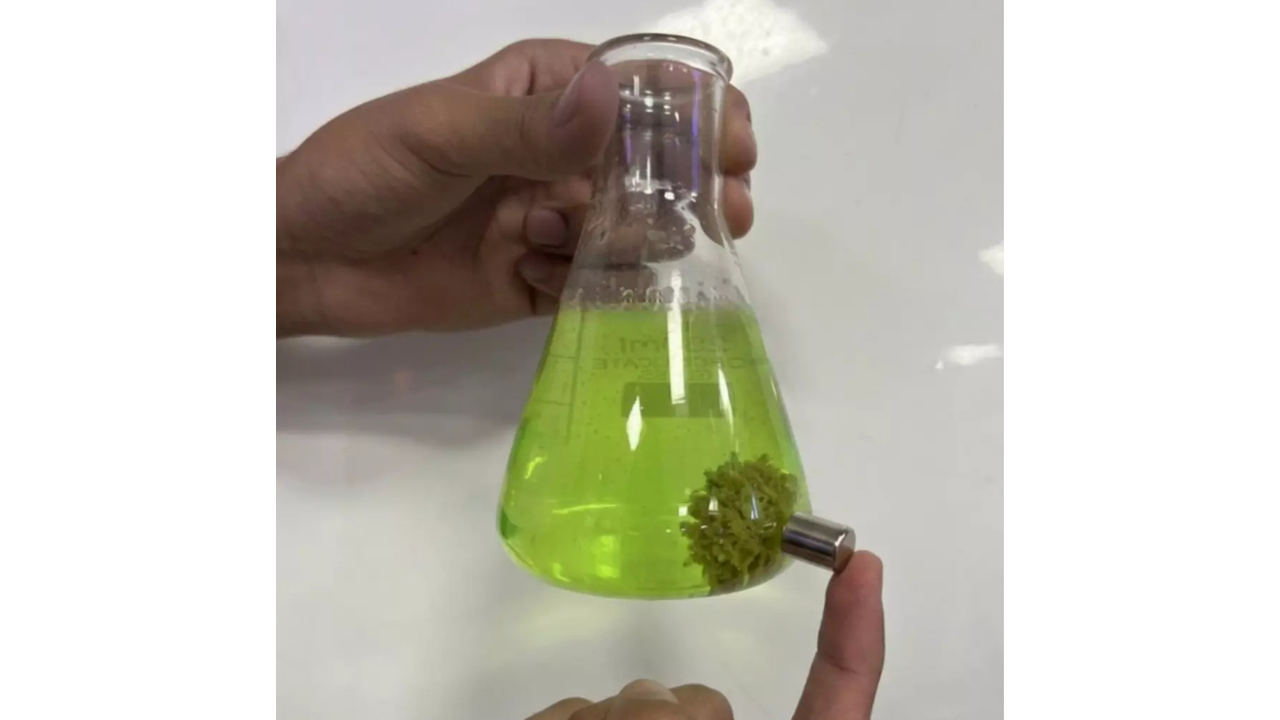
Plas-Stick is a biodegradable powder made primarily from tamarind seed waste that the team says can help microplastics clump in water. According to the students, when added to contaminated water, the powder attracts microplastic particles and causes them to form larger clumps, which can then be removed using a handheld magnet.The idea came about after students visited rural communities and observed how people store and share drinking water in large containers. During one such visit, a child was reportedly seen drinking from one of the containers, highlighting the issue of daily exposure to microplastics in areas without advanced filtration systems.The team designed the invention as a low-cost and easy-to-use alternative to complex purification systems. Because it uses biodegradable and locally available materials and does not require electricity or advanced infrastructure, the solution may be suitable for rural and resource-poor communities.The students also collaborated with professionals from IIT Guwahati and said the project has reached more than 8,000 students and teachers through awareness and demonstration programs.
Why microplastics are causing global concern
Microplastics are extremely small pieces of plastic, typically less than five millimeters, produced by the breakdown of larger plastics, synthetic fibers, industrial waste and packaging materials.Recent scientific research has found microplastics in drinking water, seafood, human blood, lungs, placenta and even brain tissue. Researchers are still studying the long-term health effects, but many scientists increasingly view microplastic pollution as a major emerging pollution challenge.More than 2.2 billion people worldwide still lack safely managed drinking water infrastructure and are increasingly reliant on stored water that may contain microplastic contamination.
Won the Earth Award
Organizers describe the Earth Prize as the world’s largest environmental competition and an “idea incubator” for 13 to 19-year-olds. Created by Earth Foundation in Geneva, Switzerland during the 2019 School Strikes for Climate movement, the program supports youth-led sustainability projects through mentorship, educational resources and funding opportunities.Now in its fifth year, the Earth Prize has reached more than 21,000 students in 169 countries and territories. Previous winners have reportedly received patents, corporate partnerships and international media coverage.As Asia winners, three Indian students received $12,500 in funding to continue developing their projects, as well as mentorship opportunities and international exposure. Seven regional winners are being announced in different regions around the world, including Asia, Africa, Europe, the Middle East and North America.Some social media posts incorrectly claimed each student received $125,000 individually. An official announcement from the Globe Prize confirmed that the team received a total of $12,500 in regional prize money.Public voting for the global winner is expected to begin via the Earth Prize website, with the final global winner announced on 29 May.One of the most innovative aspects of the project is the utilization of tamarind seed waste. Tamarind seeds naturally contain sticky polysaccharides and binding compounds that help attract and aggregate particles in the water.By using agricultural waste instead of synthetic chemicals, the students created a biodegradable and low-cost solution, while also demonstrating how locally available materials can contribute to environmental innovation.The team said it now plans to scale up the project through decentralized production centers and expand access to rural communities across India.
Can this invention be used commercially?
Plas-Stick is still in the development stage and has not yet been validated by large-scale independent science. The invention requires further testing before being deployed on a large scale.Experts may need to evaluate filtration effectiveness, long-term safety, scalability, water quality standards and regulatory approval before commercial use.Even so, the project has gained attention as an example of how young innovators can contribute practical ideas to major environmental challenges.