

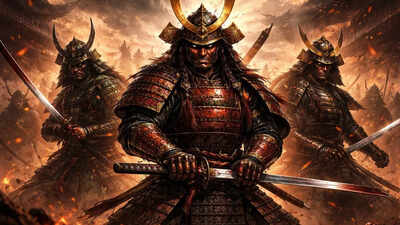
What do you think of when you hear the word “samurai”? For most people, the imagination unfolds like soldiers on the battlefield, clad in armor, wielding swords and with unwavering loyalty. The story begins in the medieval period, which is more than 1,000 years old and is of great significance for understanding its evolution. From its medieval cultural history years ago to the present day, the legacy of the samurai has been continually celebrated as part of contemporary video games, TV shows, movies, and more. Samurai are considered ancient knights. From the 18th century Ukiyo-e to the present day, they are fearless, loyal and disciplined Japanese warriors. But the story isn’t that simple; it’s more complex and surprising than Hollywood has revealed.
Japanese Samurai: History and Origins
Samurai are considered part of the fantasy world and they are not just part of Star Wars or the games, but are mystical warriors with a fascinating history, according to the British Museum’s new Samurai exhibition. Here’s how the true story of the samurai unfolded.According to exhibition curator Rosina Buckland, samurai were warriors and this was reflected in how they rose to the position. “But that’s not all,” Buckland said.Their origins reportedly date back to the 10th century, when they were first recruited as palace mercenaries. Japan in the 12th century faced a series of open street fighting and rebellions, and samurai took advantage of the unrest to gain major political power, establishing a military government (shogunate) in 1185.
Samurai are more than just warriors: Skills transcend the sword
Samurai were also open to new ideas and technologies from other cultures. For example, the samurai armor on display at the exhibition was based on a Portuguese design, with a sharply angled front and sloping sides to deflect rifle bullets. These features became necessary after European firearms arrived in Japan in 1543.In addition to military skills, samurai also studied high arts such as painting, poetry, music, drama, and tea ceremonies. Military leaders known as shoguns realized that brute force alone was not enough to rule effectively. They combined military power with subtle influence within court society.Their style of governance was influenced by Chinese philosophy, especially Confucianism. “In Neo-Confucianism, you need to balance military power with cultural skills,” Buckland explains. This has led to an emphasis on soft power, such as diplomacy and court culture. The exhibition also features a 19th-century fan painted by a samurai artist, illustrating the unexpected artistic talents of these samurai.
Are samurai just men?
From the 12th to the 16th century, high-ranking women also wielded great power. For example, Hojo Masako, who was married to the first shogun Minamoto Yoritomo, served as regent many times. During the Tokugawa period, half of the samurai class was made up of women, who performed important household chores and raised children. Objects, accessories, robes and various other items in the British Museum exhibition reportedly tell the story of warrior women.
What did a samurai wear when leaving the battlefield?
According to rank, samurai wore clothing according to rank. Their clothing may vary from luxurious textiles of high-ranking warriors to imported textiles. This is very different from the situation where low-level samurai use long katana, short wakazaki, and different mounts to express their clothing. Eels are believed to come in various shapes and sizes and are primarily made of iron, but can also be made of copper, brass, or enamel.
What does the word “Samurai” mean?
The term is derived from the Japanese verb “saburau” which means to serve. This hints at the pedigree of the person who served as governor. Historically, these terms have been used to describe members of the ruling class.
Do samurai still exist today?
Not really. It ceased to exist as a distinct socio-military class. Their official status reportedly ended in the late 19th century when Japan modernized its military and government. However, their legacy lives on. Samurai values such as loyalty, discipline and honor influence Japanese culture. Martial arts such as Kendo and Judo, traditional rituals and cultural stories still retain their spirit. Samurai armor, swords and artwork are preserved in museums, exhibitions and collections around the world.