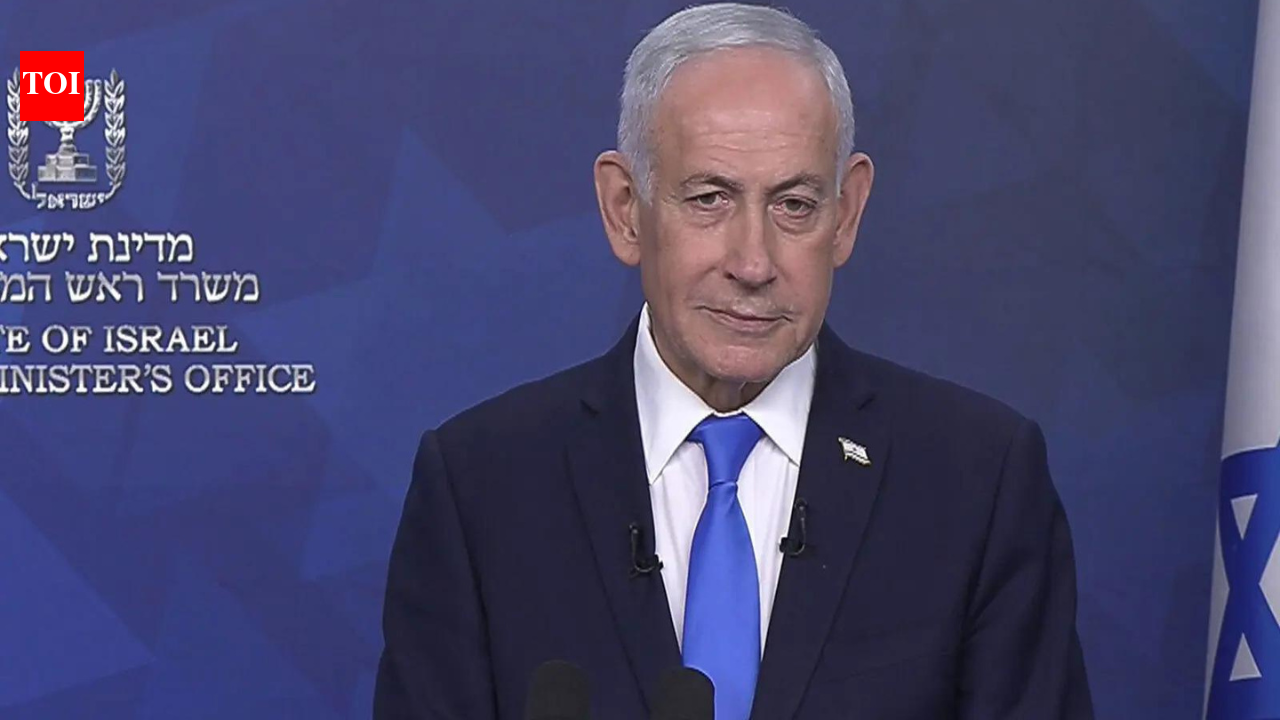
‘Israel ready to resume war with Iran’: Netanyahu warns of ‘pulling the trigger’, says ceasefire ‘not the end’

israeli prime minister Benjamin NetanyahuIn his first briefing on the U.S.-Iran ceasefire in two weeks, he said the ceasefire agreement remained fragile and claimed it was “not over yet” and that Israel reserved the option of resuming military operations if its goals were not achieved. Netanyahu stressed a cautious stance, saying Israel had “pulled the trigger” and was ready to “return to fighting at any time” if needed.Nonetheless, he stressed that the ceasefire was reached with “full cooperation” with Israel and dismissed any suggestion that the country was given last-minute notice. At the same time, Netanyahu made clear that the understanding with Iran did not extend to Hezbollahwarned that Israeli forces would “continue attacking them” despite the suspension of hostilities with Tehran.Meanwhile, humanitarian casualties continue to rise. The death toll from Israeli attacks across Lebanon on Wednesday has risen to 254, according to the Lebanese Civil Defense Authority, underscoring the intensity of the ongoing operation despite a wider ceasefire.The United States and Iran have agreed to a two-week ceasefire that suspends hostilities and opens the door to negotiations rather than an end to the conflict. The temporary truce will see both sides withdraw from military operations and negotiations will begin in Islamabad.A key condition is the reopening of the Strait of Hormuz, with Washington linking a continued ceasefire to safe sea lanes. Meanwhile, Iran has proposed broader terms, including lifting sanctions and releasing frozen assets.The moratorium remains fragile and conditional, with both sides keeping military options open if commitments are not met.