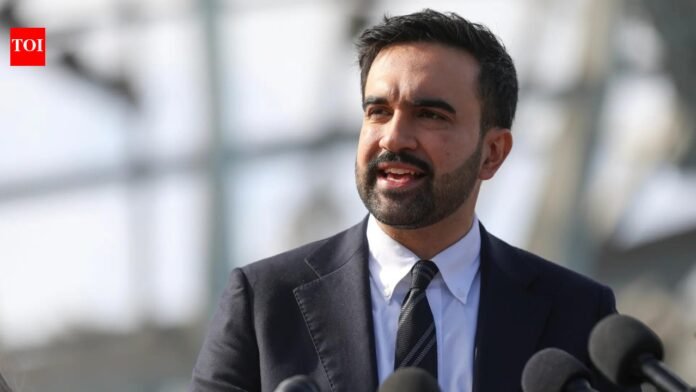
New York City Mayor Zohran Mamdani has drawn attention by invoking Islamic history when talking about immigration, using religious references to develop a broader argument for compassion and asylum in U.S. immigration policy.The remarks came at an interfaith breakfast on Friday, where Mamdani spoke about how faith traditions influence views on immigration and hospitality. Referring to Islam, he described it as “a religion built on a narrative of migration,” noting that the Migration, the Prophet Muhammad’s journey from Mecca to Medina, was a defining moment in Islamic history.“The story of Hijra reminds us that the Prophet Muhammad was also a stranger,” Mamdani said. “He fled Mecca and was welcomed in Medina.”Mamdani sees this historical reference as a lesson in how societies deal with people escaping hardship, and suggests it provides perspective on modern debates about immigration. He tied the example to New York City’s identity as a city shaped by immigrants and reaffirmed its sanctuary status, arguing that protecting immigrants reflected deep-seated moral values. In his speech, he also drew on teachings from other faith traditions, such as Christianity and Buddhism, to highlight what he said were common principles of compassion and care for the vulnerable.The comments elicited mixed reactions. Supporters hailed the remarks as a call for empathy based on faith and interreligious solidarity, saying they reflected New York City’s long history of welcoming immigrants. Critics, however, question the appropriateness of invoking religious figures in discussions about U.S. immigration policy, arguing that such debates should be separated from religious narratives.Responses to the mayor’s speech highlighted ongoing tensions in the national discussion about immigration, the role of faith in public discourse, and how elected leaders draw on moral and historical references when addressing contentious policy issues.