

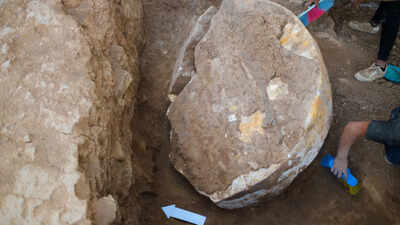
A rare 2,600-year-old Assyrian monument has been discovered in the ancient city of Nineveh, Iraq. The discovery is a major success in a region where ancient history was deliberately destroyed by Islamic State militants (ISIS) nearly a decade ago.The stele is two meters high. It celebrates the building works of King Ashurbanipal, who ruled from 668 BC to 627 BC at the height of the Neo-Assyrian Empire. Archaeologists discovered the artifact at the entrance to the historic Shamash Gate. The sides of the stone are carved with detailed cuneiform inscriptions and portraits of the king.A team of Iraqi and American researchers discovered the monument during restoration work. They are restoring historic sites that were severely damaged during the 2016-2017 battle to liberate the city from militant control.Nineveh’s Ministry of Antiquities and Heritage confirmed that the monument had been moved to its headquarters. Experts will now clean the stone, study it and publish their findings.
royal stone records
The facade of the newly discovered monument displays a large, detailed carving of King Ashurbanipal himself. The reverse features two smaller carvings of unnamed Assyrian kings, flanked by a long row of cuneiform text.Early readings suggest that the text describes a large-scale building project by Ashurbanipal. These included the expansion of Nineveh’s massive defensive walls, temples, and royal palace. In ancient times, kings used these stone tablets to record history and spread political propaganda. These stones demonstrated the king’s absolute power to his own people and foreign visitors.Archaeologist Ruwaid Muwaffaq spoke of the find’s historical importance at a press conference in late June.Mr Mowafak said: “This discovery is an important addition to the archaeological record and highlights the greatness of Assyrian civilization and its urban development.”He described the monument as “one of the most important artifacts recording the achievements of one of the greatest kings of the Assyrian Empire.”
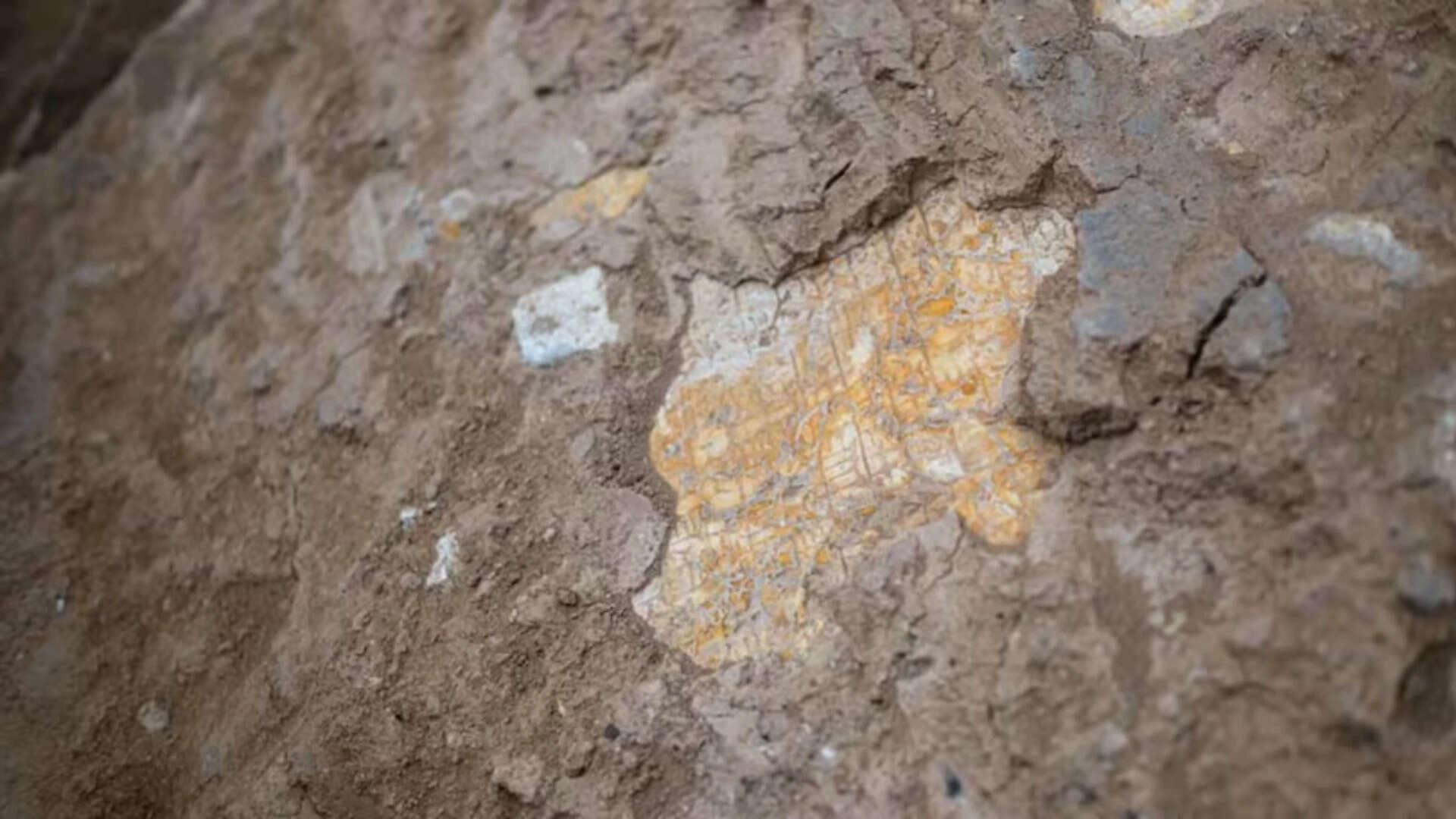
Rare stone tablet of Assyrian king who ruled 2,600 years ago unearthed in Nineveh, Iraq
Ashurbanipal is best known for founding the historic Ashurbanipal Library in Nineveh. The library initially contained approximately 100,000 texts. It was the largest collection of books in the world until the Library of Alexandria in Egypt was built hundreds of years later. Over the years, more than 30,000 surviving clay tablets have been recovered from the library. These tablets provide modern historians with the most important information about daily life, science, and religion in ancient Mesopotamia.
Healing Career Scars
Finding the monument at Shamash Gate holds great symbolic significance for locals. Between 2014 and 2017, Islamic State militants occupied Mosul and the surrounding Nineveh province. The group has implemented a deliberate plan to eradicate pre-Islamic cultural history.Militants used bulldozers to destroy the nearby ancient city of Nimrud, which included the palace of Ashurnasirpal II. They also blew up famous entrances in the ancient walls of Nineveh, such as the Mashki Gate and the Adad Gate. In February 2015, the group was filmed using sledgehammers and drills to smash original Assyrian artifacts in a Mosul museum. The organization also established illegal robbery gangs across the province and sold ancient artifacts on the international black market to fund its war operations.The Shamash Gate was an important eastern entrance and it was here that the new stele was discovered. It was severely damaged during the fierce fighting for the armed occupation and liberation of the city.Since the group’s expulsion in 2017, the National Council of Antiquities and Heritage has been working with international universities to document the damage, trace stolen items and restart official archaeological digs. Teams at the gate are currently actively digging and working together to ensure the safety of the damaged structure. This project is funded in part by the Institute for Ancient Cultures at the University of Chicago.
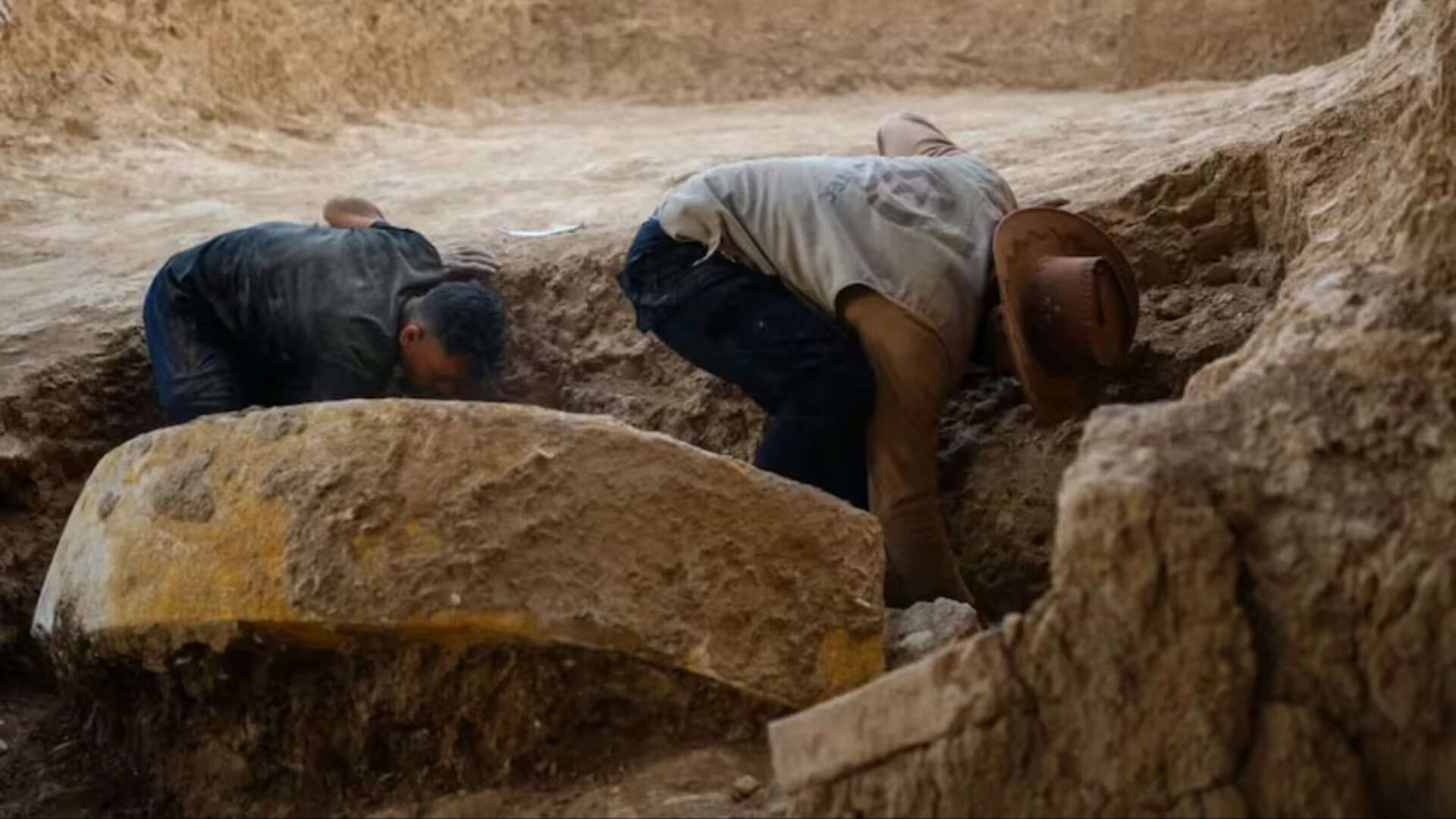
Mosul’s scarred legacy
Documenting Mesopotamia’s Deep Roots
The state committee plans to use the discovery to support cultural restoration in the Nineveh Plain. Ali Obeid al-Shalegm, chairman of the Iraqi National Council of Antiquities and Heritage, shared a statement on social media explaining that the discovery highlighted the region’s deep historical roots.The discovery “reflects the antiquity and depth of civilization of the city of Nineveh as one of the most famous historical centers in Iraq and the region,” Shalegm said.He added that the discovery of the fragment reflects “the continuation of archaeological work to uncover more evidence documenting the history of Mesopotamian civilization, highlighting its civilizational depth and human contribution, thereby strengthening its presence on the global stage of culture and civilization.”Local officials are currently deciding whether to display the restored monument in its original location next to the Shamash Gate or place it inside the planned Mosul Civilization Museum. The new museum aims to showcase the city’s continuous history from Assyrian times through to the Islamic Golden Age.Mr Mowafak said the discovery provided new clues about how the ancient capital was built. He noted that the monument “reinforces archaeological evidence that many of the city’s gates and historic sites contain royal tombstones and important architectural achievements.”
Restoration of the Ziggurat of Ur
The Nineveh breakthrough coincided with another major conservation project further south. In May this year, authorities began a major restoration project on the 4,000-year-old Ur Ziggurat. The famous terraced temple is threatened by severe weather and climate erosion.The project is the seventh major restoration of the mud-brick temple since it was first built during the Third Dynasty of Ur around 2112 BC. The building was originally built in honor of the Mesopotamian moon god Nanna, the divine protector of ancient city-states. The temple partially collapsed during the Neo-Babylonian period, but was later restored before the fall of King Nabonidus’ empire.The ruins of Ur are also of religious importance. In 1862, a researcher named Henry Rawlinson identified the area surrounding Tell el-Muqayyar as Ur Kaśdim, the traditional birthplace of Abraham. Current maintenance crews are rebuilding the first level of the ziggurats using locally made bricks and traditional mortar recipes, repairing structural cracks on the second level, and stabilizing the remaining staircases using surviving historic designs.