Inside Stalin’s Hidden Wine Cellar in Georgia: 40,000 Rare French and Georgian Bottles Revealed After Decades Underground | World News

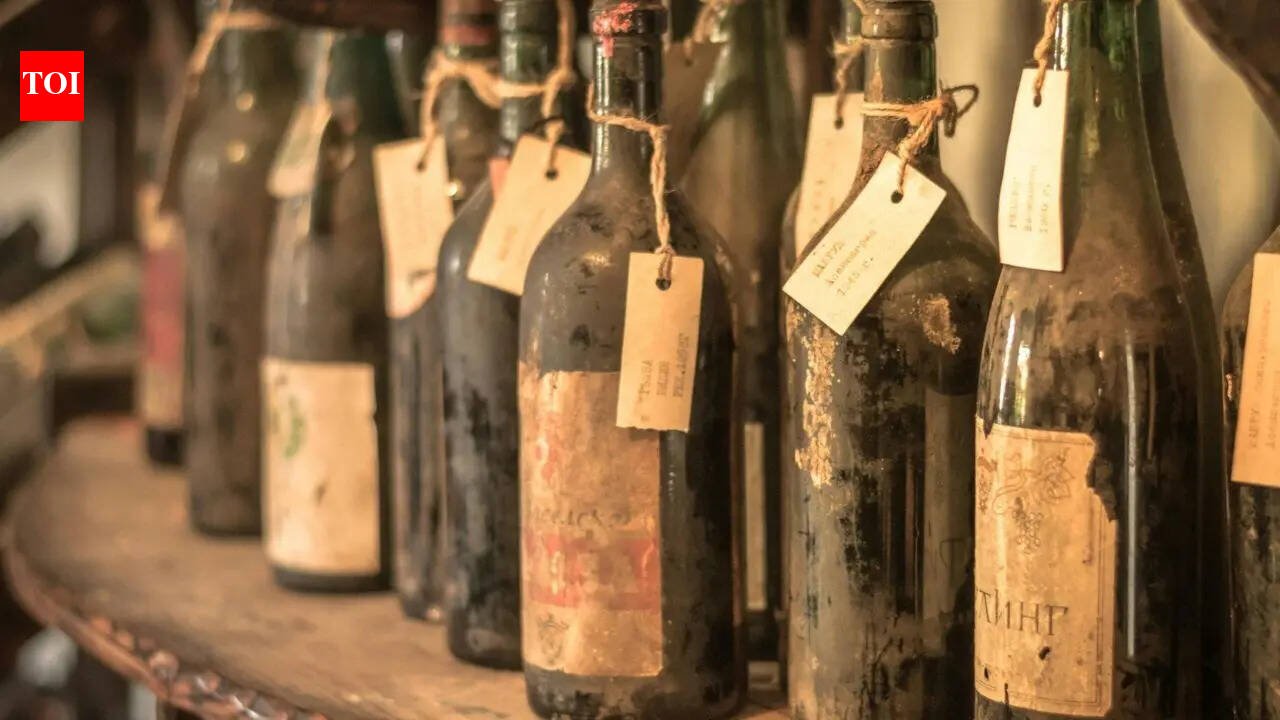
Deep within the streets of Tbilisi, behind heavy doors and years of silence, lies a collection that few have ever seen. Dusty bottles. Faded label. Spider webs hang from the stone ceiling. This story concerns one of the most controversial figures of the 20th century.For decades, a vast wine collection once associated with Soviet leader Joseph Stalin remained largely hidden from public view. Now, the Georgian government has opened its vaults for the first time, displaying some 40,000 bottles of rare French and Georgian wines. According to Reuters, some of them date back more than 200 years. The move sparked interest among collectors, historians and wine enthusiasts. It also raises a strange question: What was hidden in a cellar built by a man whose name still elicits strong reactions around the world?
What was discovered in a secret wine cellar containing 40,000 bottles of wine
Visitors entering the underground vault this week saw a scene largely untouched by modern life. Rows of old bottles stretched into the dim distance, dust covering many of the labels, some almost illegible. There are reports of a sweet, earthy smell hanging in the air, often associated with old wine cellars.The collection is believed to contain some of the finest wines ever produced in the former Soviet Union. The coexistence of French wines with Georgian wines reflects both imperial taste and Stalin’s connection to his homeland.Georgia has long promoted itself as the birthplace of wine. Archaeological evidence shows that people in this region have been producing wine for approximately 8,000 years. This history seems to add another layer of mystery to the discovery. The vault itself feels like a museum exhibit that has been accidentally locked away for generations.
How Stalin became the custodian of the collection
Reuters reports that the story behind the wine collection dates back to the Russian Empire. Part of the cellar originally belonged to the Romanov dynasty. Wines from famous French estates were collected by Tsar Alexander III and later by his son Nicholas II. After the Russian Revolution of 1917, everything changed.The imperial collection was confiscated by the Soviet state. Over time it came under Stalin’s supervision. Historians believe the Soviet leader had a personal interest in wine and gradually expanded his wine cellar to include a selection of wines from Georgia, where he was born in 1878.Stalin led the Soviet Union from 1924 until his death in 1953. His rule transformed the country but was also associated with repression, purges and mass suffering. Because of this legacy, even the wine collection associated with him has historical significance.It’s not just about the bottles, it’s about the times they survived.
Why Georgia wants to sell it
Rather than hiding the collection, Georgian authorities chose a different path. The government plans to auction off part of the wine cellar and use the proceeds to build a wine education school. Officials involved in the project said the move could help strengthen Georgia’s image on the international wine market.Wine producer Irakli Gilauri, who is working with the Ministry of Agriculture on the initiative, reportedly believes the sale could put Georgia firmly on the radar of serious collectors. Although Georgian wines have won increasing international recognition in recent years, the country still competes with larger, more established wine exporters. A globally watched auction tied to Stalin’s wine collection could attract attention well beyond the traditional wine world.
What makes Stalin’s historic wine collection so valuable
One of those allowed into the vault was wine collector Victor Chen, who traveled from Dallas, Texas, to view the bottles. Standing on the dusty shelf, he likened the experience to discovering a hidden archaeological site. His reaction embodies the sense of uncertainty surrounding the series. No one yet knows the full value of each bottle.Some may be very rare. Others may deteriorate over time despite careful storage. The mystery seems to be part of the appeal. Collectors often seek not only quality but also provenance. Bottles associated with significant historical events can become valuable for reasons that go far beyond taste.
The future of Stalin’s wine collection
As preparations for the auction continue, experts may spend months assessing the condition and significance of individual bottles, Reuters reported. Some can make a lot of money. Other wines may appeal to museums and private collectors interested in Soviet or Imperial Russian history rather than the wine itself.