
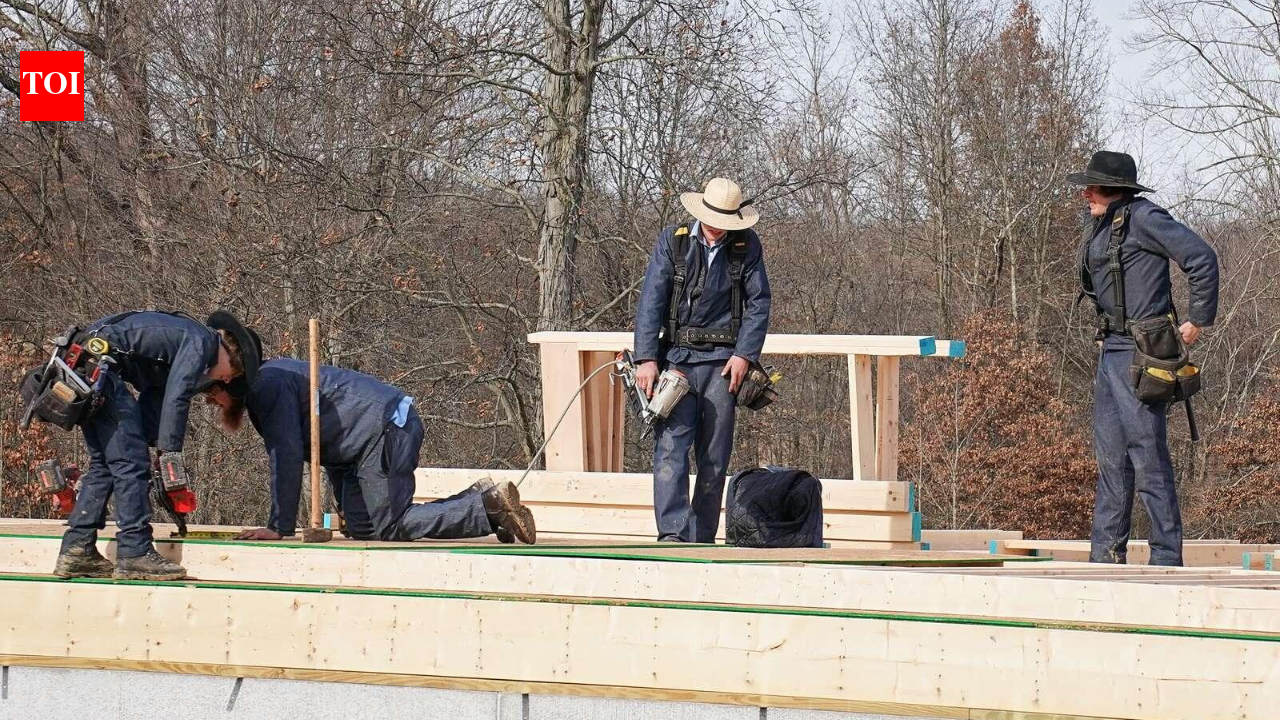
In the rugged mountain communities of western North Carolina, Hurricane Helen’s long shadow still lingers. Months after the storm triggered devastating floods and landslides that destroyed homes, cut off roads and isolated entire towns, recovery remains slow and arduous. Amid this ongoing struggle, Amish volunteer groups from Pennsylvania quietly stepped in to provide skilled labor, rebuild homes, repair infrastructure, and restore a sense of stability. Working unpaid and largely out of the public spotlight, their efforts have become a powerful example of communities driving recovery in some of the region’s hardest-hit areas.
Amish volunteers rebuild home and restore hope after Helen
In places like Chimney Rock and the Batcave, Helen wreaked havoc. Roads were washed away, bridges collapsed, and homes were reduced to rubble. While state and federal aid programs began the long recovery process, volunteer groups filled critical local gaps.The Amish traveled frequently in organized groups, bringing practical skills in carpentry and construction. Their approach is simple. They use manual labor and traditional techniques to rebuild what is needed as quickly and efficiently as possible.Most of the Amish donations are coordinated through organizations like the Great Needs Trust and through partnerships with local nonprofits like Voices of Hope. Together they work to build small, durable homes and help restore damaged infrastructure in remote and underserved areas.In a widely reported effort, dozens of volunteers assembled multiple tiny homes over several days to provide immediate shelter for families displaced by the storm. Labor is donated, and in many cases, materials or related costs are donated, relieving the financial burden on already struggling communities.
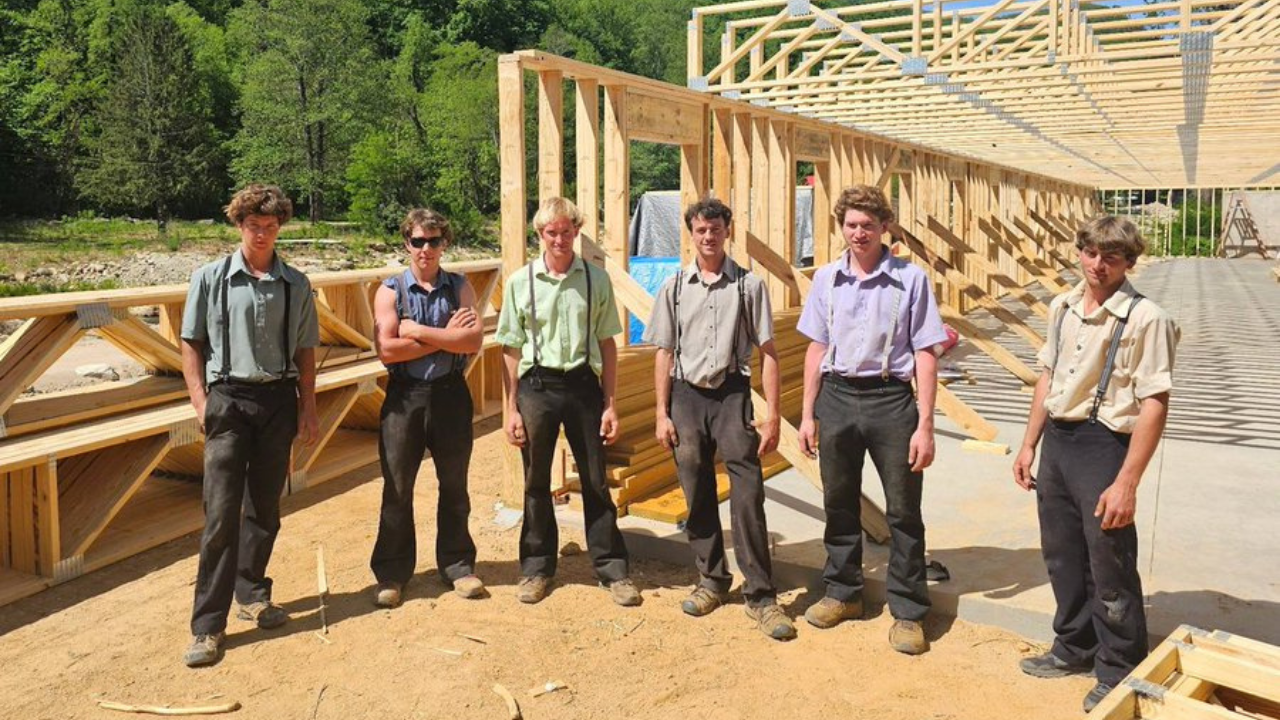
Image:X
Long-lasting recovery after a storm
Even a year after Helena’s death, the rebuilding effort is far from complete. The scale of the destruction, thousands of damaged homes and massive infrastructure damage means recovery will be measured in years rather than months. Progress has been especially slow in mountainous areas, where transportation is difficult and repairs are complicated.Amish volunteers continue to return to contribute to ongoing reconstruction efforts where help is still urgently needed. Their existence highlights how disaster recovery often relies not just on massive funding and government intervention, but also on sustained grassroots support.
Who are the Amish?
The Amish are a traditional Christian community rooted in the Anabaptist movement and are known for their simple living, strong community ties and commitment to service. They derive from the teachings of Jakob Ammann, which emphasize humility, physical labor, and helping others without seeking recognition. These values often lead Amish groups to volunteer in disaster-stricken areas, providing skilled construction work for free.
No need for spotlight recognition
While their work has been praised by local communities and regional reports, it hasn’t always received widespread national attention. Although credible reports and field records confirm their involvement, a relative lack of visibility has led to the perception that their efforts have been ignored.For the Amish, however, recognition is not the goal. Their guiding principles emphasize humility, service and collective responsibility. In practice, this means showing up, working hard, and leaving without asking for credit.Their work is a reminder that meaningful impact doesn’t always come with visibility. Sometimes it comes quietly, in the form of steady hands, shared labor and a commitment to rebuilding one building at a time.