

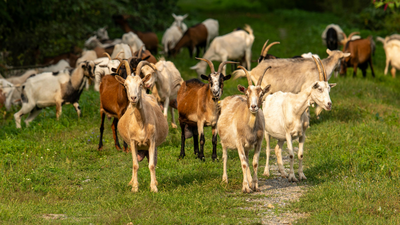
Texas has taken an unconventional but proven approach to controlling invasive plants. 300 goats were brought in to clear dense brush on about 11 acres of public land near White Rock Lake in Dallas. Rather than using heavy machinery, the city relies on controlled grazing to remove privet and similar species that thrive near waterways. For about 10 days, the goats took turns moving across the fenced property. This method reduces soil disturbance and avoids the proximity of fuel-powered equipment to water sources, arousing strong public interest. The herd arrived and began grazing on Thursday and is expected to remain on site for about a week, according to local reports and a city news release.
Why use goats instead of machines?
Goats are natural browsers rather than herbivores. They prefer woody plants, vines and shrubs to grasses. This makes them particularly effective against invasive species such as privet, which are difficult to mow with a lawnmower. Goats can also reach uneven terrain, steep river banks and dense undergrowth that are difficult for machines to reach. They work without noise, emissions or soil compaction, making them suitable for urban parks and protected areas.
ecological damage caused Invasive shrubs
Invasive shrubs spread quickly, forming a thick canopy that blocks sunlight. Native plants are driven out, reducing plant diversity and destroying food sources for insects and birds. Along lakes and streams, these shrubs can alter soil moisture and reduce bank stability. Removing them helps restore a healthier ecosystem and allows native vegetation to recover over time.
how goat landscape Performed operations
The herd is managed by professional breeders and monitored at all times. Use temporary fencing to confine goats to a specific area. Once an area is fully browsed, the fence moves and the goats advance to the next area. This method ensures targeted clearing rather than random grazing. The project lasted a little more than a week and cost about $15,000, which officials said compared favorably with mechanical cleanup of sensitive areas.Grazing goats does more than clear vegetation. It reduces ground fuels that can fuel wildfires, especially during dry seasons. Animals also return nutrients to the soil through natural fertilization. Unlike machinery, goats do not leave behind cut plant waste that must be hauled away. This reduces transportation requirements and reduces overall emissions.City officials stress that goats are not a one-time solution. If the land is not managed, invasive plants may regrow. Follow-up work may include planting native species, manually removing regenerated vegetation, or repeating grazing in future seasons. As part of a wider management plan, goats can significantly reduce long-term maintenance.
A method popular in the United States
Goat landscaping is being used in cities and states across the United States, including parts of Texas, California and Colorado. It is increasingly used in wildfire prevention areas, parklands and utility corridors. While the Dallas project has attracted online jokes and viral attention, officials say it reflects a growing shift toward low-impact and nature-based land management solutions.